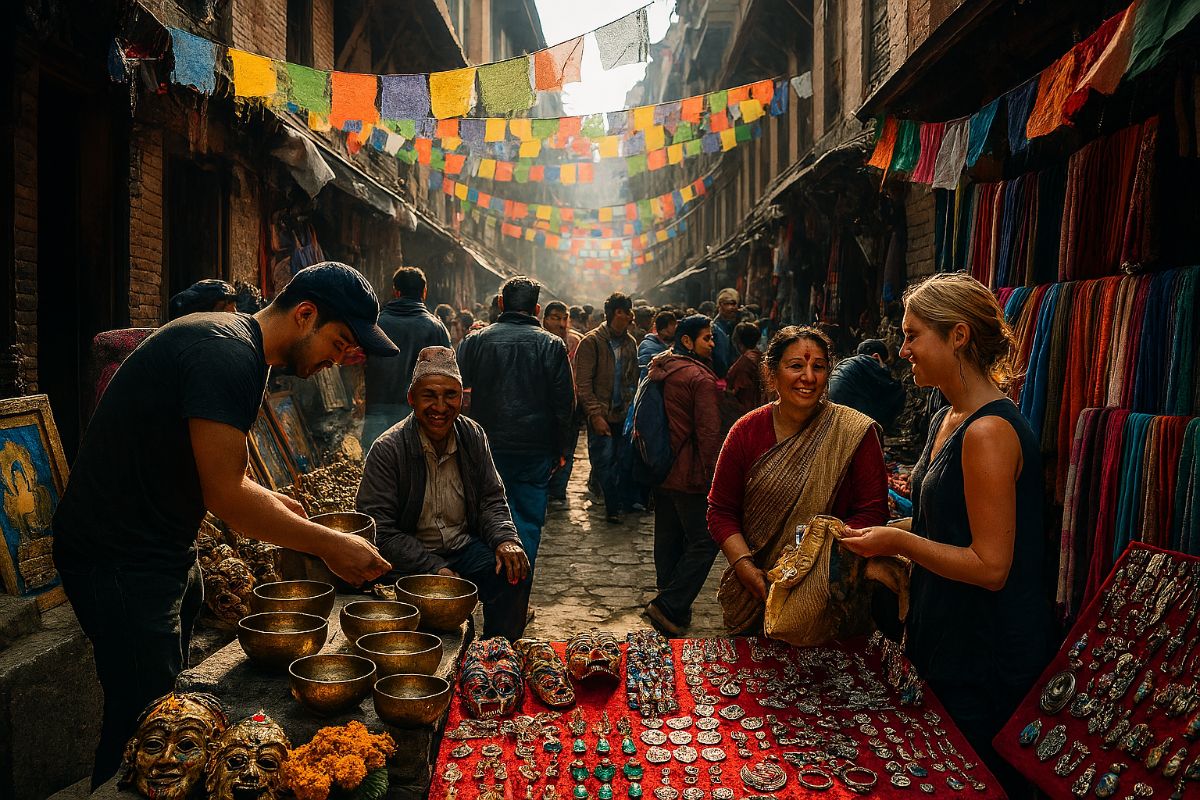
What makes markets in Kathmandu so good for handicrafts and souvenirs?

Markets in Kathmandu are good for handicrafts and souvenirs because many of the items are made by local artists who still rely on traditional methods.

You don’t just see finished products. You often see the process behind them. A man is carving wood outside his shop. Women weaving shawls inside small studios. Artists painting mandalas with slow, steady movements. It feels personal.

Why these markets stand out
• Real Nepal-made items instead of imported copies
• Shops run by artists and families
• Unique pieces you don’t find elsewhere
• Reasonable prices if you ask politely
• Items with cultural meaning or spiritual symbolism

What is Boudha Market and why is it great for hotel guests?

Boudha Market is the most convenient market for hotel guests because it sits around Boudhanath Stupa, only steps from Boudha Mandala Hotel.

The shops sell items tied to Buddhist culture, Tibetan traditions, and local crafts. It’s peaceful to walk around because the stupa creates a calm loop where you can take your time.

What to buy in Boudha ?

• Singing bowls
• Prayer flags
• Tibetan jewelry
• Butter lamps
• Mandala paintings
• Incense and handmade soaps

If you want a market that feels relaxed and easy to browse, start here.

What is Thamel Market known for?

Thamel Market is known for its busy lanes filled with handicrafts, trekking gear, and souvenir shops that stay open from morning until late night.

It has more energy than Boudha. You hear music from cafés, see backpackers bargaining, and pass shops selling everything from scarves to statues.

What to buy in Thamel ?

• Pashmina shawls
• Handmade journals
• Carved wooden masks
• Metal statues
• Felt crafts
• Local spices

If you want variety, Thamel has more than any other area.

What is Asan Bazaar and why do travelers love it?

Asan Bazaar is a historic street market in the heart of old Kathmandu, and travelers love it because it shows daily life alongside traditional goods.

It’s busy, packed with colors and sounds, and the narrow lanes feel like a living museum. You see fresh produce, old temples, spice shops, and small stalls selling handmade items.

What to buy in Asan

• Spices
• Beads and jewelry
• Brass items
• Traditional cooking tools
• Incense
• Festive decorations

Asan feels less touristy, which makes it a favorite for travelers who enjoy authentic local scenes.

What is Patan Market and what makes it unique?

Patan Market is unique because it sits next to Patan Durbar Square, an area known for Newari art, stone carvings, and metalwork.

The shops around Patan often sell items made by artists who specialize in sculptures and traditional crafts. You see metalworkers shaping statues by hand in nearby workshops.

What to buy in Patan

• Stone carvings
• Bronze statues
• Thangka paintings
• Newari crafts
• Handmade jewelry

If you love detailed artistic work, Patan is the place to explore.

What can travelers find in Bhaktapur Market?

Travelers can find pottery, traditional masks, and handmade crafts in Bhaktapur Market, which sits inside a beautifully preserved old city.

Walking through Bhaktapur feels different from the rest of Kathmandu. The brick streets, old wooden windows, and open courtyards give everything a slower pace.

What to buy in Bhaktapur

• Pottery
• Hand-carved masks
• Juju dhau in clay pots
• Wood carvings
• Traditional puppets
• Decorative plates

If you enjoy slow shopping and historic surroundings, Bhaktapur is your ideal stop.

What is Indra Chowk good for?

Indra Chowk is good for buying traditional clothing, glass bead necklaces, and small handcrafted items.

It sits between Asan Bazaar and Kathmandu Durbar Square, so you can visit all three in one outing. The area is tight and busy, but the shopping feels rewarding.

What to buy in Indra Chowk

• Glass bead necklaces
• Traditional Nepali fabrics
• Small silver items
• Hand-knotted strings
• Festive jewelry

If you want something colorful and distinctly Nepali, this is a great place.

Where should travelers go for art and paintings in Kathmandu?

Travelers should go to local art galleries and small studios in Boudha, Patan, and Thamel for high-quality paintings and mandalas.

Artists spend days or weeks on a single canvas. You can watch them work in some studios, which makes the piece feel more personal.

Where to look

• Mandala studios around Boudhanath Stupa
• Small galleries in Patan
• Thangka painting schools near Boudha
• Art shops in Thamel

If you want one special item to take home, art is a meaningful choice.

How can travelers shop respectfully and avoid mistakes?

Travelers can shop respectfully by asking questions kindly, comparing prices, and supporting local artists rather than mass-produced shops.

Shopping in Kathmandu is simple, but a few small habits make the experience smoother.

Helpful tips

• Ask before taking photos inside shops
• Compare prices at two or three places
• Politely negotiate if you feel comfortable
• Check quality on pashmina and metal items
• Support small studios when possible

A little kindness goes a long way, and shopkeepers usually remember friendly guests.

Why is Boudha Mandala Hotel a helpful base for shopping in Kathmandu?

Boudha Mandala Hotel is a helpful base because it sits inside one of the best shopping neighborhoods for Tibetan and Buddhist crafts and gives easy access to the rest of the city.

You can shop in Boudha in the morning, visit Thamel or Asan in the afternoon, and return to a quiet neighborhood in the evening.

Why shoppers like this location

• Steps from Boudhanath Stupa shops
• Quick taxi access to Thamel and Asan
• Close to art studios and mandala painters
• Calm evenings for relaxing after busy markets
• Easy to return to the hotel for breaks between outings

For guests who love handicrafts and meaningful souvenirs, this part of Kathmandu feels like the right home base.
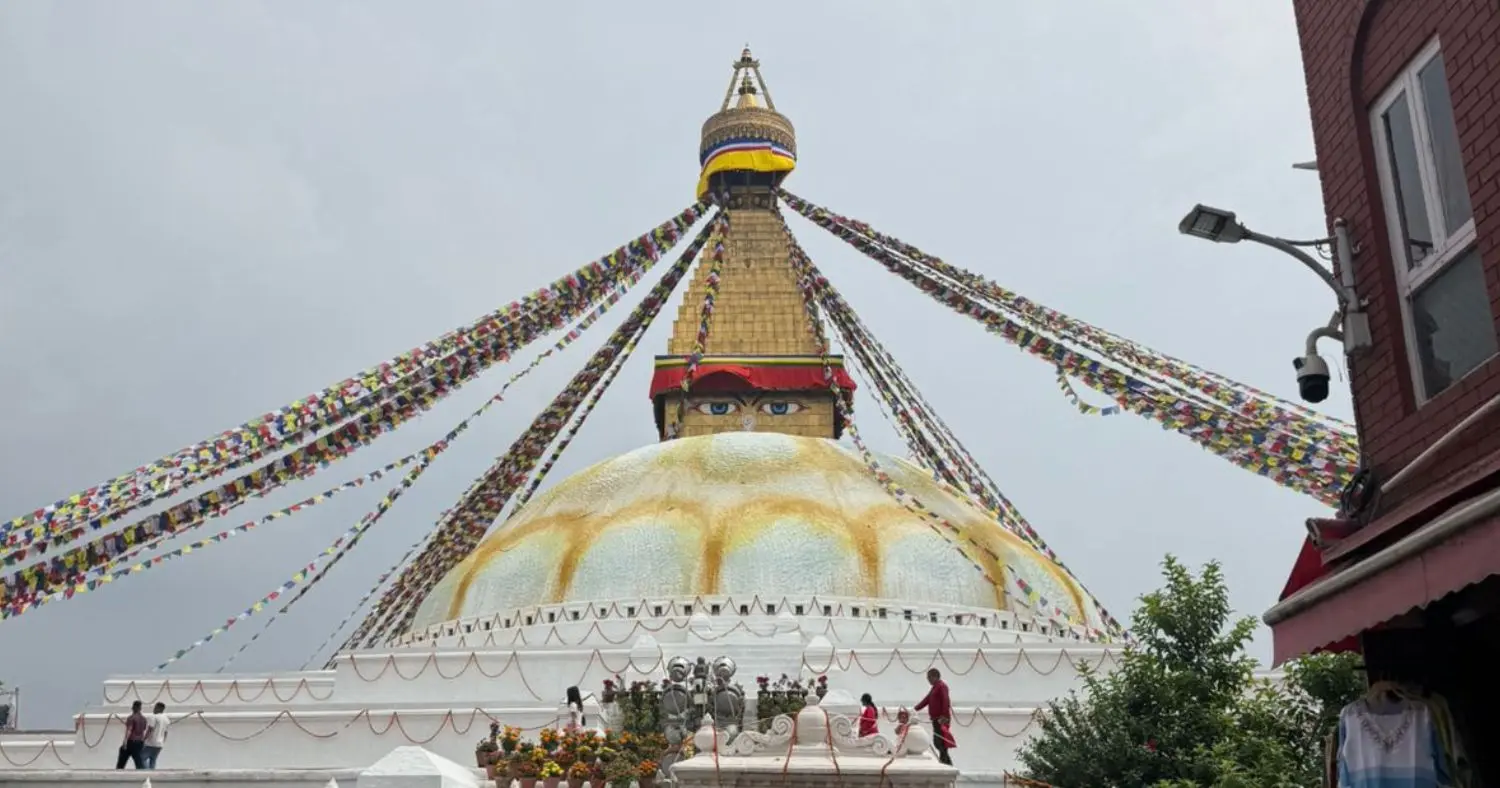
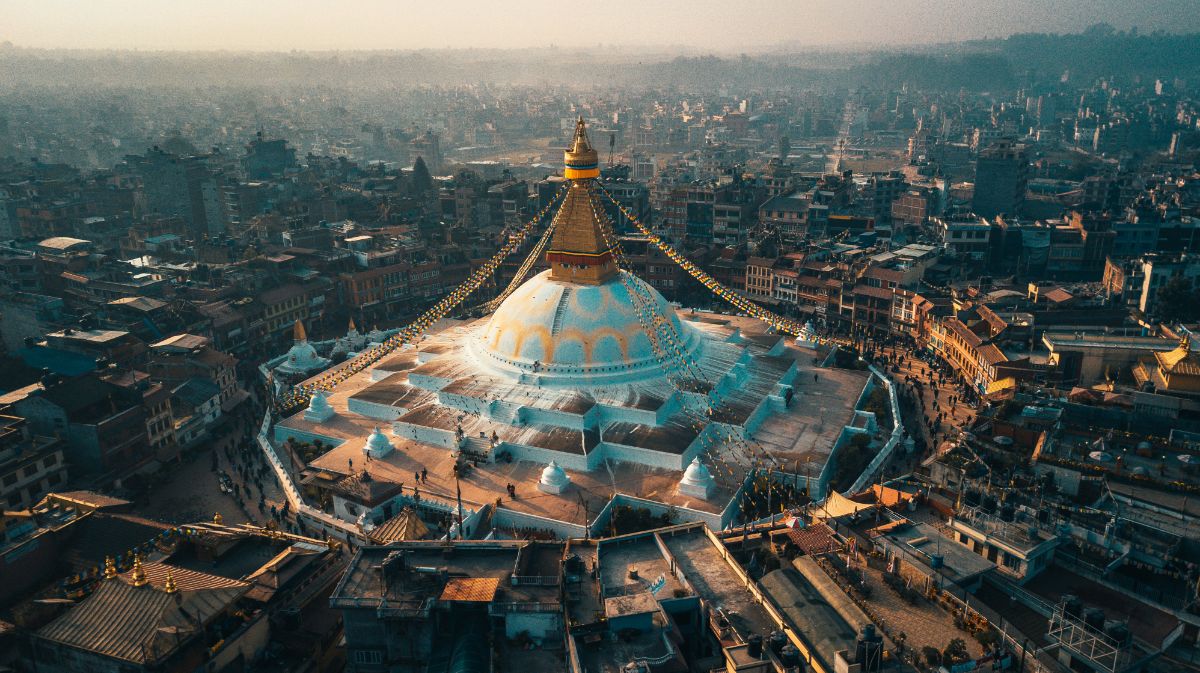
How to Do a Kora Around Boudha Stupa (Respectfully)

Key Takeaways
Kora around Boudhanath Stupa is a meditative ritual rooted in Tibetan Buddhist tradition. It involves circumambulating the stupa clockwise while spinning prayer wheels, chanting quietly, and walking with full presence. To do it respectfully, one must dress modestly, avoid loud speech or intrusive photography, and observe the behavior of locals. The early morning and dusk are ideal times to experience the stillness and devotion this practice embodies. More than a ritual, kora is a quiet act of connection to yourself, the community, and something timeless.

Introduction
You arrive in Boudha and pause at the entrance of the kora path. Around you, the stupa rises with gentle power, prayer flags flicker above, and the hum of spinning wheels wraps the space in a sacred rhythm. No one tells you what to do, yet something in you understands: walk, slowly, clockwise, with care.

Kora at Boudhanath is a silent invitation to join a centuries-old practice of healing, devotion, and inner stillness. This guide shares how to do a kora respectfully and meaningfully, whether you’re a first-time visitor or a spiritual seeker.

What is Kora and Why It Matter

In Tibetan Buddhism, kora (བསྐོར་བ་) means circumambulation, walking clockwise around a sacred site like a stupa, temple, or monastery while focusing on mantras or intentions. Each step is part of a prayer. Each round is an offering.

At Boudhanath, this act isn’t symbolic. It’s lived. Elders walk dozens of koras a day. Nuns with malas chant under their breath. Children learn the flow of clockwise footsteps early.

Kora is believed to purify negative karma, accumulate merit, and stabilize the mind. It’s meditation in movement.

When to Do Kora at Boudhanath

The beauty of Boudha is that it never sleeps. The kora path is alive from sunrise to well after dusk, but these are the most resonant times:

Early Morning (5:30 to 7:00 am): The stillness is almost otherworldly. Monks chant, the light is golden, and local practitioners begin their day in quiet rhythm.

Dusk (5:00 to 7:00 pm): Butter lamps are lit. The stupa glows. It’s the most emotionally powerful time to join the circle.

On Holy Days: During festivals like Lhabab Duchen or Buddha Jayanti, thousands of people move in prayerful silence. The atmosphere is electrifying.

How to Do Kora with Respect

If you’re new, start by watching. Observe the body language, pace, and gestures of those around you. Then, join in with humility.

Walk Clockwise: Always circle the stupa in a clockwise direction, keeping it to your right.

Spin Prayer Wheels Gently: Use your right hand, moving each wheel as you pass. It’s not about speed.
Keep a Peaceful Pace: Walk slowly and mindfully. This isn’t a hike, it’s sacred ground.

Dress Modestly: Cover shoulders and knees. Avoid flashy outfits.

Stay Quiet: Speak softly or not at all. Listen to the space. Let silence guide you.

Avoid Photography Mid-Kora: Don’t snap selfies while walking. It disrupts the atmosphere.

Offer a Lamp or Prayer: You can light a butter lamp before or after your walk, or recite the mantra Om Mani Padme Hum.

What You’ll Notice Along the Path

Kora isn’t just a motion. It’s full of presence. As you walk, the scent of juniper incense follows you. Pigeons flap overhead, settling and lifting like breath. The low murmur of prayers creates an unbroken sound current. Children walk with grandparents, passing this ritual down gently.

There’s something deeply human about this circle. You are alone, yet surrounded. Anonymous, yet connected.

Common Mistakes to Avoid

Even well-meaning visitors sometimes misstep. Here’s what to be mindful of:

  • Don’t walk against the flow , it disturbs the energy and practice.
  • Don’t interrupt others , especially those prostrating or praying intently.
  • Don’t touch monks or nuns , respect their boundaries.
  • Don’t point feet at the stupa , in Buddhist etiquette, feet are seen as unclean.
  • Don’t treat it like a spectacle , Boudha is not a performance. It’s devotion in motion.

Deepen the Experience: Stay Nearby

To truly understand kora, stay in Boudha for a few days. The rhythm sinks in. You begin to notice the same faces each day, quietly circling. The shifting sky above the dome. Your own breath syncing with the flow.

Boudha Mandala Hotel, just 10 seconds from the stupa, is ideal for this. You can step into the circle before dawn, return for tea, and feel part of the sacred village life.

Final Reflection
One morning, I passed a man in his 70s, eyes half-closed, mala beads worn smooth. He walked barefoot, one hand on the prayer wheel, the other resting gently on his chest.

We didn’t speak. But for a moment, our pace aligned. It felt like a transmission, not of words, but of presence.

That’s what Kora offers. Not just movement, but meaning.
In this sacred circle, you don’t just walk around the stupa, the stupa walks you.

A Calm Way Into Kathmandu: Using Boudha as Your Base

Kathmandu doesn’t overwhelm people because it’s chaotic. It overwhelms them because they enter it too fast. Boudha offers a different way in. Not as an escape from the city, but as a buffer that lets you understand it gradually, on your own terms.

For many travelers, Boudha isn’t just a neighborhood near a stupa. It’s a pacing tool. One that quietly makes Kathmandu make sense.

Why starting in Boudha changes your experience of Kathmandu

Boudha operates at a different speed from central Kathmandu. The streets are wider. The rhythms are steadier. Mornings begin with ritual instead of traffic. Evenings soften instead of intensify.

This doesn’t mean Boudha is quiet or detached. It means the signals are clearer. You hear bells before horns. You see people walking with purpose rather than rushing. You feel the city wake up instead of collide.

Starting here allows your senses to adjust before you encounter the denser parts of Kathmandu.

How to use mornings in Boudha to set your pace

Mornings are when Boudha teaches you how to be in Kathmandu. Locals walk kora around the stupa. Shops open gradually. Cafés fill slowly. Nothing demands your attention aggressively.

Spend your mornings locally. Walk once or twice around the stupa. Sit longer than you think you should. Let your internal pace slow down before you move anywhere else.

When travelers rush out early to “beat traffic,” they miss the grounding effect that makes the rest of the day easier.

When to leave Boudha and when to return

The mistake many travelers make is treating Boudha as a sightseeing stop instead of a base. Boudha works best when you leave it mid-morning and return by late afternoon or evening.

Late morning is the ideal time to head toward places like Patan, central Kathmandu, or old neighborhoods. You arrive after the early rush but before peak congestion.

Returning to Boudha later in the day gives your nervous system a reset. The stupa area absorbs the city’s energy instead of amplifying it. Evenings feel contained rather than chaotic.

Why Boudha makes Kathmandu feel smaller

Kathmandu feels overwhelming when it feels endless. Boudha breaks the city into manageable pieces. You don’t experience everything at once. You experience one neighborhood, then step back.

This back-and-forth movement creates contrast. Busy streets feel temporary. Noise feels contextual. You stop trying to conquer the city and start visiting it in segments.

That shift alone reduces fatigue dramatically.

How to explore Kathmandu without stacking destinations

From Boudha, the best approach is one major outing per day, not three or four. Choose a single area. Walk it slowly. Eat nearby. Sit somewhere unplanned.

Kathmandu rewards lingering, not coverage. Trying to combine Durbar Square, Patan, and another neighborhood in one day almost guarantees exhaustion.

When Boudha is your anchor, there’s no pressure to maximize. You know you’re returning to a calmer base.

Why Boudha helps first-time travelers read the city

Boudha is visually and behaviorally legible. Rituals are visible. Movement is predictable. You can watch before participating.

That observation skill carries into the rest of Kathmandu. You start noticing patterns instead of reacting to stimuli. You understand when streets are busy and why. You recognize when to pause and when to move.

By the time you’re deeper in the city, you’re no longer guessing.

How evenings in Boudha prevent burnout

Evenings are where many travelers break down. Noise accumulates. Energy drops. Decisions feel harder.

Boudha reverses that pattern. As traffic fades, the stupa area becomes more atmospheric. Butter lamps flicker. Conversations soften. Cafés turn inward.

Instead of stimulation stacking, it releases. This allows you to wake up the next day curious rather than tired.

Why Boudha works better than Thamel for orientation

Thamel throws everything at you at once. Shops, music, traffic, sales pitches. For some travelers, that’s exciting. For many, it’s draining.

Boudha offers orientation without performance. You’re not constantly being sold an experience. You’re watching life continue.

This difference matters most in the first few days, when your tolerance for intensity is lowest.

How to move between Boudha and the rest of Kathmandu

Movement from Boudha works best when you’re flexible. Traffic will vary. Routes will adjust. This isn’t a flaw. It’s part of the city’s rhythm.

Avoid planning tight return times. Let evenings be open-ended. Knowing you’re heading back to Boudha removes the stress of delays.

The journey becomes transitional rather than frustrating.

Why long-stay travelers gravitate toward Boudha

Travelers who stay longer in Kathmandu often shift toward Boudha instinctively. Not because it’s quieter in an absolute sense, but because it’s more sustainable.

You can think here. Rest here. Re-enter the city from a position of balance rather than depletion.

That’s the difference between visiting Kathmandu and living inside it, even briefly.

What this approach changes about your trip

Using Boudha as your base reframes Kathmandu from a challenge into a relationship. You stop asking how to handle the city and start noticing how it works.

Overwhelm fades not because the city changes, but because your pace does.

Staying near the stupa makes this rhythm easier to maintain, and places like Boudha Mandala Hotel naturally fit into this slower, more grounded way of experiencing Kathmandu.

Kathmandu Valley Explained: A City Built Around Ritual, Not Tourism

The Kathmandu Valley wasn’t designed to be convenient, scenic, or easy to navigate. It was designed to support ritual life. Every street curve, courtyard, shrine, and public square exists because people needed space to worship, gather, process, pause, and repeat the same actions day after day for centuries. Tourism arrived recently. Ritual came first.

Understanding this changes how the valley feels. What looks chaotic begins to feel intentional. What feels inconvenient starts to make sense.

What does it mean to say the valley was built for ritual?

It means the valley’s cities were organized around religious practice, not movement or efficiency. Kathmandu, Patan, and Bhaktapur grew as ceremonial landscapes. Temples weren’t added later. They were the anchors. Homes, markets, and streets grew outward from sacred points.

Rituals required space to walk, stop, circle, gather, and perform. The built environment followed those needs. Streets narrow where processions slow. Squares open where crowds assemble. Courtyards sit quietly where daily offerings happen.

Nothing here exists by accident.

Why don’t the streets feel planned or logical to visitors?

Because they weren’t planned for vehicles or visitors at all. They were shaped for feet, memory, and repetition. Streets curve because processions curve. Alleys narrow because they weren’t meant to move large volumes quickly. Routes overlap because ritual paths intersect.

In many places, the most important paths aren’t the widest ones. They’re the ones used during festivals, funerals, or seasonal ceremonies. These routes don’t appear on maps, but locals know them instinctively.

How do temples shape the valley’s urban layout?

Temples are not landmarks here. They are reference points. Neighborhoods orient themselves around shrines. Daily life bends around prayer times, offerings, and observances.

Small roadside shrines appear at junctions where people naturally pause. Larger temples sit at points where communities gather. Courtyards exist because people needed shared ritual space close to home.

This is why the valley feels dense with sacred sites. It is dense because ritual required proximity.

Why are there so many festivals and processions?

Because ritual in the Kathmandu Valley is cyclical, not occasional. Festivals are not special events added to the calendar. They are the calendar.

Processions move deities through streets to renew space, bless neighborhoods, and reaffirm community bonds. Chariots roll through routes that temporarily override traffic. Music replaces engines. Time stretches.

From a modern perspective, this feels disruptive. From the valley’s perspective, it is essential.

How does ritual override efficiency in daily life?

Ritual always comes first. Shops close for ceremonies. Traffic stops for processions. Work pauses for offerings. These interruptions aren’t considered delays. They’re obligations.

This is why the valley can feel unpredictable to travelers. Schedules matter less than cycles. What happens today may not happen tomorrow. The rhythm adjusts to lunar calendars, festivals, and local observances rather than clocks.

Why do public squares matter more than roads?

Because squares are ritual stages. Durbar Squares were never just political centers. They were ceremonial grounds where kings, priests, and communities interacted with the divine.

Even today, these squares host dances, offerings, chariot assemblies, and seasonal rituals. Roads exist to connect spaces. Squares exist to activate them.

This is why the valley’s most important places feel open, uneven, and alive rather than polished.

Why does tourism struggle to fit neatly into this system?

Tourism expects clarity, access, and predictability. The Kathmandu Valley offers none of these by design.

Temples don’t exist to be photographed. Streets don’t prioritize smooth flow. Ritual doesn’t pause for convenience. Visitors are welcomed, but they are not centered.

This mismatch explains why some travelers feel disoriented at first. The valley is not performing for an audience. It is continuing a way of life.

How should travelers adjust their expectations?

By letting go of control. Walk instead of plan. Observe instead of interpret immediately. Accept interruptions. Sit when movement stalls. Watch what people are doing rather than where they are going.

Understanding comes from repetition, not explanation. Once you recognize that ritual shapes space, movement, and time, the valley stops feeling confusing and starts feeling coherent.

Why does this make the Kathmandu Valley so compelling?

Because few places in the world still operate this way. The Kathmandu Valley is not a preserved relic. It is a functioning ritual landscape. People don’t act out tradition for visitors. They live it.

This is why the valley leaves such a deep impression. It doesn’t adjust itself to you. You adjust to it.

Staying somewhere that respects this rhythm helps travelers settle in, and places like Boudha Mandala Hotel offer a calm base close enough to experience the valley as it actually functions.

How to Experience Local Life in Boudha in Just One Morning

A morning in Boudha feels different from the rest of Kathmandu. It’s slower, softer, and full of tiny moments that make you feel like you’re living here, not just passing through.

If you’re staying at Boudha Mandala Hotel, you’re already in the right place because the neighborhood wakes up gently and invites you in without effort. This guide walks you through a simple, real way to experience local life in just a few morning hours.

What happens in Boudha early in the morning?

What happens in Boudha early in the morning is a quiet shift from darkness to warmth as people circle the stupa, shops open their shutters, and butter lamps flicker to life.

You feel it the moment you step out. The air is cool, the streets are calm, and you hear soft chanting from nearby monasteries. It’s the best time of day to see the neighborhood as locals see it.

What you’ll notice right away

• Monks walking to the stupa
• Locals spinning prayer wheels
• Shopkeepers lighting incense
• Cafés preparing early tea
• The stupa glowing in the soft light

These small scenes make you slow down without trying.

Where should you start your morning to feel like a local?

You should start your morning by joining the kora, the clockwise walk around Boudhanath Stupa, because this is the heart of daily life here.

You don’t need instructions. You just join the flow. Some people walk fast, others walk slowly, and everyone moves with quiet purpose. You feel part of something communal.

Simple steps for your kora

• Arrive between 6:00 and 7:00
• Join the circle in a clockwise direction
• Spin a few prayer wheels as you pass
• Notice the painted eyes watching over the stupa
• Walk a few rounds if you feel comfortable

Travelers often tell me this is the moment they finally relax into Kathmandu.

Where can you grab a local-style breakfast in Boudha?

You can grab a local-style breakfast in the cafés and small eateries around the stupa that serve Tibetan and Nepali morning dishes.

Breakfast in Boudha feels comforting. People gather for tea, kids eat before school, and monks sit in groups sharing warm bread.

Easy breakfast ideas

• Tibetan bread with honey
• Steamed momos
• Thukpa, if you want something warm
• Tea simmered with cardamom
• A simple omelet if you want something familiar

If you prefer quiet, rooftop cafés give you a view of the entire circle waking up.

What local interactions can you experience without feeling intrusive?

Local interactions you can experience without feeling intrusive include greeting shop owners, watching artists work, and browsing small handmade items.

People here are used to visitors, and kindness goes a long way. You don’t need to buy something to enjoy the moment.

Simple ways to engage naturally

• Say a soft “namaste” to shopkeepers
• Ask artists about their mandalas
• Watch butter lamps being prepared
• Visit a small incense shop and smell the blends
• Step into monasteries respectfully during open hours

These interactions make the morning feel personal rather than touristy.

Which monastery should you visit during a short morning?

You should visit Shechen Monastery during a short morning because it is peaceful, beautifully designed, and close to Boudhanath Stupa.

The grounds feel open and welcoming. You may hear chanting or see monks studying. You get a quiet moment without needing to plan anything.

What to expect at Shechen

• Soft chanting inside the main hall
• Monks walking between classes
• Peaceful courtyards
• Simple artwork and statues
• A calming atmosphere

A short 10 to 15 minute visit is enough to feel the place.

What small shops in Boudha show true local craft?

Small shops in Boudha that show true local craft include mandala studios, Tibetan jewelry shops, and stores selling handmade singing bowls.

These shops sit along the outer circle and small alleyways. You see artisans painting, polishing metal, or threading beads.

Items worth noticing

• Hand-painted mandalas
• Singing bowls made by local metalworkers
• Traditional Tibetan jewelry
• Incense made in small batches
• Prayer flags in handmade cotton

These shops reflect what the neighborhood cares about.

How can hotel guests return to the stupa for a second look?

Hotel guests can return to the stupa for a second look by walking from Boudha Mandala Hotel, which is only a few minutes from the main entrance.

What makes the return walk pleasant

• Quiet lanes
• Fresh bread smells from small bakeries
• Monks heading to late morning puja
• Easy access back to the circle
• A safe, simple route

Most guests enjoy going twice in one morning.

How does staying in Boudha shape the local morning experience?

Staying in Boudha shapes the local morning experience because it allows you to start your day with calm routines instead of jumping straight into Kathmandu’s busy traffic.

Why mornings feel better when you stay in Boudha

• You wake up close to the stupa
• You avoid morning rush noise
• You can walk everywhere
• You access Tibetan cafés easily
• You see real daily life, not a tourist strip

This is why travelers often return to stay in this neighborhood again.

What simple route can you follow to experience local life in just one morning?

A simple route to experience local life in just one morning starts at the stupa, moves through the cafés and alleyways, passes a monastery, and ends with a calm walk back to the hotel.

Here’s the exact order:

Your local-life morning route

• Start at Boudhanath Stupa around 6:30
• Join the kora for two or three rounds
• Visit a rooftop café for breakfast
• Stop by small mandala or incense shops
• Walk to Shechen Monastery for a short visit
• Return to the stupa for one more look
• Head back to Boudha Mandala Hotel to rest

This route gives you everything you need to feel the rhythm of Boudha.

Why is Boudha Mandala Hotel the right place for this kind of morning?

Boudha Mandala Hotel is the right base for this kind of morning because it sits within a short walk of the stupa, the cafés, the monasteries, and the markets you’ll explore.

Why it works well

• A two minute walk to the stupa
• Access to quiet rooms for a peaceful start
• Close to Tibetan and Nepali breakfast spots
• Safe area for early morning walks
• Easy access to taxis for later trips

For travelers who want calm mornings with real local life, the location helps everything feel effortless.

A Guide to Understanding Nepal’s Mix of Hindu and Buddhist Traditions

Nepal feels peaceful even when its streets are full because two major traditions share the same space without tension. Hindu and Buddhist influences sit side by side in temples, homes, festivals, and daily routines. Travelers sometimes expect these traditions to be separate, but Nepal blends them in ways that feel natural. This guide helps you understand the mix in a simple, friendly way so you can appreciate what you see on your walks through Kathmandu.

How are Hindu and Buddhist traditions connected in Nepal?

Hindu and Buddhist traditions are connected in Nepal through shared spaces, shared deities, and shared community life.

The blend shows up everywhere, from temples that honor both traditions to families who follow practices from each one.

Where the connection appears

• Shared festivals
• Temples with mixed symbols
• Daily rituals at shrines
• Deities respected in both traditions
• Monasteries and temples sitting close together

You see influence from both sides without clear lines dividing them.

Where can travelers see both traditions in one place?

Travelers can see both traditions in one place at temples, stupas, and shrines across the Kathmandu Valley.

These spots hold layers of history, and both traditions shaped how they look and feel today.

Places with a clear mix

• Swayambhu
• Boudhanath area
• Patan’s courtyards
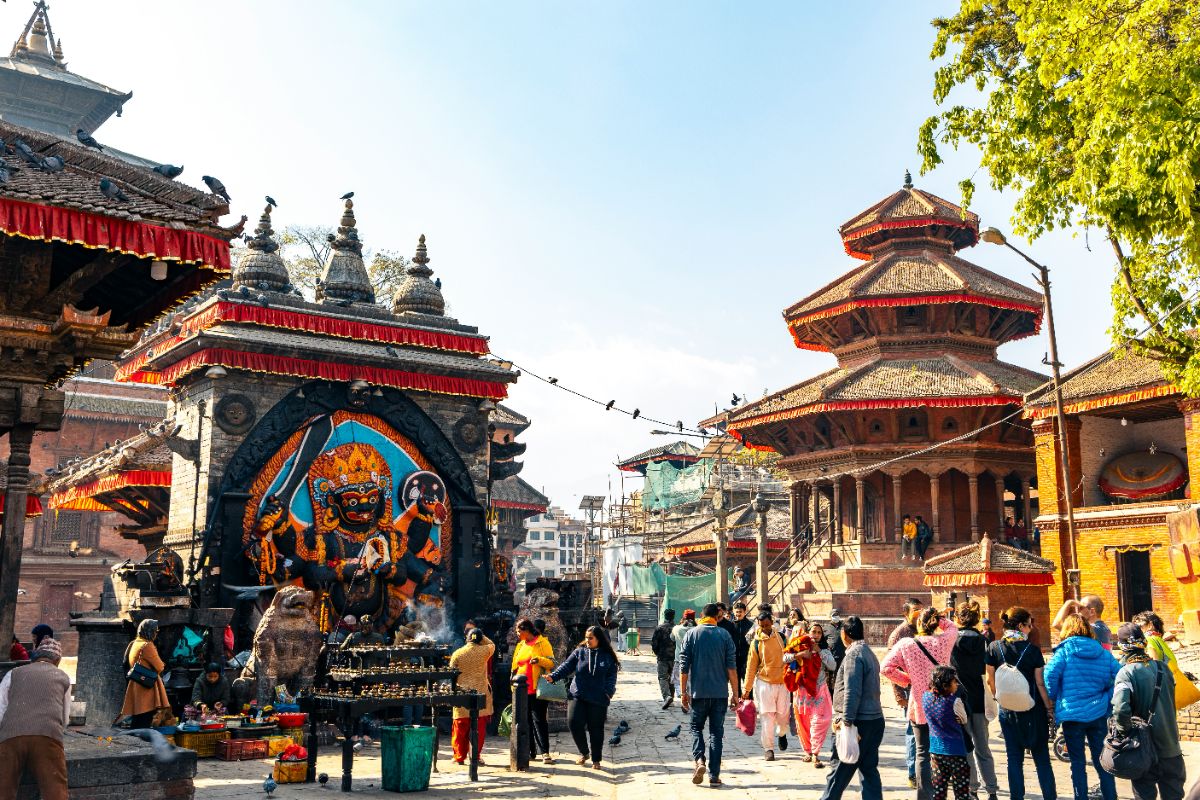
• Kathmandu Durbar Square
• Small roadside shrines around Asan

Even a short walk shows you how naturally these worlds connect.

How do people in Nepal practice both traditions in daily life?

People in Nepal practice both traditions in daily life by following rituals that feel familiar across communities.

This blending doesn’t feel forced. It feels like part of daily rhythm.

Daily habits you’ll notice

• Offering flowers at both temples and stupas
• Lighting butter lamps in shared spaces
• Visiting different shrines based on need
• Using similar prayer gestures
• Including rituals in morning routines

The focus stays on meaning, not labels.

Why does Nepal honor deities from both traditions?

Nepal honors deities from both traditions because history and community ties brought these beliefs together over centuries.

Many gods and symbolic figures appear across both spiritual paths.

Shared or overlapping figures

• Avalokiteshvara
• Tara
• Ganesh seen near Buddhist spaces
• Local protective deities
• Guardians at shrines and gateways

These shared figures make the valley feel unified.

How do festivals show the blend between Hindu and Buddhist traditions?

Festivals show the blend between Hindu and Buddhist traditions through shared rituals, shared routes, and shared excitement across communities.

You can see both traditions in movement during major celebrations.

Festivals that blend cultures

• Indra Jatra
• Machhindranath Jatra
• Buddha Jayanti
• Tihar with Buddhist offerings
• Local neighborhood rituals that mix both practices

Festivals look different from block to block, but the spirit stays connected.

How does architecture reveal the blend of traditions?

Architecture reveals the blend of traditions by combining Buddhist shapes and Hindu symbols in the same structures.

One building can hold stories from both sides.

Architectural blends

• Temples shaped like pagodas with Buddhist symbols
• Courtyards with shrines from both traditions
• Carvings that mix deities
• Monasteries near Hindu homes
• Stupas with added local icons

The buildings themselves show you a long history of sharing.

What should travelers know about rituals that appear similar in both traditions?

Travelers should know that rituals appear similar in both traditions because gestures like offering flowers, lighting lamps, and touching shrines carry shared meaning.

You don’t have to know the full history to understand the respect behind them.

Shared ritual elements

• Lamps for light and clarity
• Flowers for respect
• Incense for purity
• Hands pressed together in greeting
• Clockwise movement around sacred spaces

These gestures help you understand Nepal’s rhythm quickly.

How can travelers appreciate the blend without overthinking it?

Travelers can appreciate the blend without overthinking it by watching how people move, how they pray, and how they treat sacred spaces.

Observation teaches more than explanations.

Simple ways to appreciate the blend

• Watch morning rituals quietly
• Notice shared symbols during walks
• Visit both temples and stupas
• Listen to bells and chants from different places
• Follow the flow of local routines

Let the city show you the meaning instead of trying to decode everything.

Why is Boudha one of the best places to understand this cultural mix?

Boudha is one of the best places to understand this cultural mix because Tibetan Buddhist life is strong here, yet Hindu traditions appear naturally in the surrounding neighborhoods.

You see both influences within minutes of each other.

What Boudha offers

• Monasteries
• Hindu shrines tucked into small lanes
• Prayer wheels next to street temples
• Morning kora mixed with daily routines
• Calm energy even on busy days

It’s an easy place to learn through simple observation.

Why is Boudha Mandala Hotel a helpful base for travelers wanting to understand these traditions?

Boudha Mandala Hotel is a helpful base for travelers wanting to understand these traditions because it sits steps from the stupa and close to everyday Hindu rituals in nearby lanes.

Travelers can explore both sides of Nepal’s spiritual world at a natural, comfortable pace.

Why the location works

• Two minute walk to Boudhanath Stupa
• Close to shrines, shops, and tea stalls
• Peaceful mornings for observing rituals
• Easy access to the rest of Kathmandu
• A calm return after cultural exploring

Boudha gives you space to understand Nepal’s traditions without rushing

Newari Culture Explained: Why It Shapes the Kathmandu Valley Today

Newari culture is the historical and living foundation of the Kathmandu Valley, shaping its cities, rituals, festivals, food, and daily rhythms for over a millennium.

Who are the Newars of the Kathmandu Valley?

The Newars are the indigenous inhabitants of the Kathmandu Valley, with a documented presence dating back more than 1,500 years. They developed the valley’s earliest urban settlements, trade networks between India and Tibet, and highly refined systems of art, architecture, and craftsmanship. Today, Newari communities remain deeply rooted in Kathmandu, Patan (Lalitpur), and Bhaktapur, especially in historic city centers.

Why is Newari culture considered the backbone of the valley?

Because most of what defines the Kathmandu Valley today was created by Newars. This includes the Durbar Squares of Kathmandu, Patan, and Bhaktapur, the classic pagoda-style temples seen across Nepal, dense clusters of UNESCO World Heritage Sites, and traditional neighborhoods organized around courtyards and community shrines. The valley’s layout and visual identity are direct results of Newari urban planning and religious life.

What makes Newari culture unique in Nepal?

Newari culture blends Hinduism and Buddhism into a shared daily practice. Hindu and Buddhist deities are worshipped side by side, festivals often include rituals from both traditions, and many temples serve multiple religious communities. This fusion explains why the valley feels spiritually active year-round, not limited to a few major holidays.

How does Newari culture shape daily life today?

It still governs time, space, and community behavior. You’ll see frequent festivals and processions that temporarily reshape traffic and routines, local calendars that don’t follow the Gregorian year, and neighborhoods centered around bahals and bahi courtyards. Even in modern Kathmandu, Newari customs quietly influence work schedules, social gatherings, and religious observance.

Why are festivals so central to Newari culture?

Festivals are essential to Newari identity and social order. Events like Indra Jatra in Kathmandu, Bisket Jatra in Bhaktapur, and Rato Machhindranath Jatra in Patan combine chariot processions, masked dances, traditional music, offerings, and communal feasting. For travelers, these festivals are immersive experiences often encountered unexpectedly while exploring the city.

What is Newari food and why is it important?

Newari cuisine is one of the oldest and most ritualized food traditions in Nepal. It’s known for its use of buffalo meat, fermented and spiced dishes, and ceremonial platters like Samay Baji, served during festivals and life events. Food here is tied to season, caste, and religious observance, not just flavor.

How does understanding Newari culture change your visit?

It helps you understand what you’re seeing instead of feeling lost in it. With cultural context, travelers can move respectfully through temples, recognize the meaning behind processions, and appreciate why the cities feel layered and alive. The Kathmandu Valley isn’t chaotic. It’s organized by centuries of living tradition.

Where can travelers experience Newari culture most clearly?

In the historic cores of Kathmandu, Patan, and Bhaktapur. Look for neighborhoods near Durbar Squares, early-morning rituals at local shrines, traditional Newari restaurants, and hidden courtyards just off busy streets. Slow walking reveals far more than guided highlights.

Why is Newari culture still central to the valley today?

Because it continues to evolve without disappearing. Newari culture adapts to modern life while remaining practiced, not preserved, and it still defines the valley’s identity at every level. The Kathmandu Valley is not just a collection of monuments. It’s a living cultural landscape shaped by Newari society.

Staying in culturally rich parts of the valley makes these traditions easier to experience, and places like Boudha Mandala Hotel offer a calm base close to neighborhoods where heritage is part of everyday life.

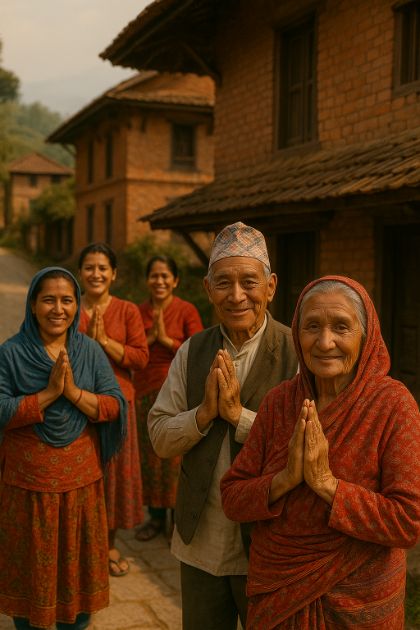
A Simple Guide to Understanding Nepal’s Warm Hospitality

Nepal’s hospitality feels gentle and genuine in a way that surprises many travelers. People here don’t try to impress you. They welcome you with small gestures, soft smiles, and a sense of care that feels natural. You notice it in tea shops, temples, guesthouses, and markets. This guide helps you understand what that warmth means so you can enjoy it without feeling unsure or overwhelmed.

What makes Nepal’s hospitality feel different from other places?

Nepal’s hospitality feels different from other places because it comes through actions, not showiness or big displays.

The warmth is subtle. It appears in everyday routines rather than planned moments.

What sets Nepal’s hospitality apart

• Simple greetings
• Genuine curiosity
• Calm energy
• Quiet helpfulness
• Respect for your space

People help you because they want you to feel comfortable.

How do Nepali people show kindness in daily interactions?

Nepali people show kindness in daily interactions through small gestures that support you without drawing attention to it.

You feel seen without feeling pressured.

Common gestures

• Pouring you tea without asking
• Helping you find your way
• Checking if you ate
• Making space for you to sit
• Sharing small cultural tips

These moments appear naturally as you move through the city.

Why does sharing food matter so much in Nepal?

Sharing food matters so much in Nepal because meals are seen as a way to connect with others.

Food isn’t just nutrition here. It’s a form of care.

How food expresses warmth

• Offering tea
• Sharing home-cooked items
• Welcoming you to sit and eat
• Serving rice and lentils with generosity
• Encouraging second helpings

These gestures come from a place of comfort and familiarity

How do Nepali families treat guests?

Nepali families treat guests as people to take care of, even if the guest is a stranger.

Being a guest puts you in a special position.

Hospitality within families

• Offering a seat immediately
• Bringing warm drinks
• Asking about your journey
• Giving you time to rest
• Wishing you well when you leave

The care feels soft and sincere.

Why do travelers feel relaxed around Nepali hosts?

Travelers feel relaxed around Nepali hosts because the warmth never feels forced.

You’re never pushed to talk, join, or participate. People let you adjust at your own pace.

Reasons travelers feel at ease

• No pressure to impress
• Respect for privacy
• Soft conversation style
• Easy pauses in dialogue
• Calm reactions to everything

The pace of human interaction is slower and kinder.

How do rituals and daily routines express warmth?

Rituals and daily routines express warmth by inviting everyone into a shared sense of calm without verbal invitations.

You feel included just by being present.

Warm ritual moments

• Lamps lit to bring light to others
• Flowers placed on shrines
• Water poured to welcome the day
• Bells rung softly
• Incense offered with peaceful intentions

These actions create an atmosphere of quiet generosity.

How can travelers respond to Nepal’s warm hospitality respectfully?

Travelers can respond to Nepal’s warm hospitality respectfully by showing appreciation without feeling the need to give something back immediately.

A simple thank you is enough.

Respectful responses

• Accepting tea kindly
• Smiling back
• Listening with patience
• Removing shoes when asked
• Keeping calm in sacred spaces

Small actions show that you understand the care being given to you.

What should travelers know about accepting help in Nepal?

Travelers should know that accepting help in Nepal is seen as a normal, easy part of human interaction.

Declining repeatedly might feel distant to locals.

Good habits when receiving help

• Accept when you can
• Say thank you with eye contact
• Keep gestures simple
• Understand help is offered freely
• Avoid over-apologizing

Letting others help builds a warm connection.

How can travelers notice hospitality in quiet moments?

Travelers can notice hospitality in quiet moments by paying attention to small actions that pass quickly.

Warmth here is often wordless.

Quiet signs of care

• Someone slowing their walk for you
• A shopkeeper adjusting a seat
• A neighbor guiding you with a hand gesture
• A monk nodding as you pass
• A vendor wishing you good luck

These gestures hold meaning even if they last a second.

Why is Boudha one of the best places to experience Nepal’s warm hospitality?

Boudha is one of the best places to experience Nepal’s warm hospitality because the area blends spiritual calm with daily kindness.

People move gently here, and interactions feel soothing.

What Boudha offers

• Soft greetings during kora
• Friendly tea stalls
• Calm shopkeepers
• Welcoming monastery paths
• A peaceful pace even on busy days

Warmth comes from both culture and community.

Why is Boudha Mandala Hotel a comfortable place to feel Nepal’s hospitality?

Boudha Mandala Hotel is a comfortable place to feel Nepal’s hospitality because it sits close to local life and offers a peaceful home base where travelers feel cared for without pressure.

You can rest, adjust, and enjoy Nepal’s warmth from your first day.

Why the hotel feels warm

• Friendly staff
• Calm rooms
• Easy access to tea and food
• Steps from the stupa
• A relaxed atmosphere for settling in

It’s a simple, gentle introduction to Nepal’s kindness.

How the Kathmandu Valley Feels: Understanding Its Sounds, Smells, and Daily Rhythm

The Kathmandu Valley is not something you understand all at once. You absorb it slowly, through repetition and exposure, until one day the noise makes sense, the smells feel familiar, and the pace stops feeling chaotic. This valley isn’t designed to impress on arrival. It’s designed to be lived in.

What does the Kathmandu Valley sound like throughout the day?

The valley wakes up before sunrise, and sound is the first sign of life. Temple bells ring in short, deliberate bursts. Prayer wheels hum as they turn. Brooms scrape stone courtyards. Footsteps echo through narrow brick lanes long before traffic arrives.

By mid-morning, engines and horns layer over voices and movement. To visitors, this can feel loud at first, but it isn’t random. Sound in the valley marks time and activity, not urgency. Horns are communication, not aggression. Bells signal prayer cycles. Music announces festivals and processions. Even noise follows a pattern.

At night, sound softens but never disappears. Chanting drifts from monasteries. Dogs bark in the distance. Conversations carry farther in the cooler air. The valley doesn’t fall silent. It exhales.

Why are smells such a strong part of the Kathmandu Valley experience?

Because life here happens in the open. Shrines face the street. Kitchens open directly onto alleys. Food, prayer, dust, smoke, and flowers share the same air.

Incense is constant, but never identical. Some shrines burn sweet sticks. Others use heavier resins. Butter lamps add a faint smokiness that lingers on brick walls. Nearby, mustard oil heats in pans, releasing sharp, nutty aromas. Chilies, garlic, ginger, and onions cut through the air during cooking hours.

After rain, everything changes. The valley smells clean and metallic, like wet stone and soil. Dust settles. Brick darkens. For many travelers, this moment marks the first time the city feels calm.

Smell here is information. It tells you when prayer is happening, where food is being prepared, and when seasons are shifting.

How do daily rhythms in the valley actually work?

Life in the Kathmandu Valley moves in cycles, not schedules. Mornings belong to worship, errands, and movement. Late mornings and early afternoons fill with work, deliveries, and steady traffic. Mid-afternoon slows, especially in older neighborhoods, where shops close briefly and streets quiet.

Evenings bring people back outside. Families walk. Street food appears. Shops shut gradually, not all at once. There is no sharp transition between day and night, only a soft change in energy.

Festivals override everything. Streets close without warning. Traffic reroutes instinctively. Music replaces engines. Time pauses, then resumes. This rhythm can confuse first-time visitors, but it’s intentional. Ritual takes priority over efficiency.

Why does the valley feel intense but rarely rushed?

Because constant activity doesn’t equal hurry. People stop to talk in narrow lanes. Shopkeepers chat while customers wait. Processions move through traffic and nobody argues.

The valley teaches patience without instruction. Movement is continuous, but rarely fast. This is why travelers often feel overwhelmed on day one and strangely relaxed by day three. Once you stop resisting the pace, it carries you.

How do old cities shape the valley’s sensory experience?

Kathmandu, Patan, and Bhaktapur were built long before modern transport. They were designed for walking, gathering, and ritual. Streets curve instead of running straight. Courtyards pull life inward. Sound echoes differently off brick and timber.

Smells linger longer in tight alleys. Voices carry through shared spaces. Movement bends and adapts rather than flows cleanly. This compression makes everything feel close and layered. What seems crowded at first often feels intimate once you understand the pattern.

What changes in the Kathmandu Valley after dark?

Night doesn’t quiet the valley. It reorganizes it. Traffic thins. Incense becomes more noticeable. Voices soften. Chanting grows clearer. Street food replaces daytime meals, and the smell of frying oil drifts through neighborhoods.

This is when many travelers finally feel the valley slow down enough to notice it. Sitting still at night often reveals more than walking all day.

Why do travelers remember the valley long after leaving?

Because sensory memory lasts longer than visual memory. You may forget temple names or routes, but you remember bells at dawn, incense at dusk, and streets that never felt empty.

The Kathmandu Valley stays with people because it doesn’t perform. It doesn’t simplify itself for visitors. It continues as it always has, and those who take time to listen eventually understand.

How should travelers approach the valley to truly experience it?

Slow down deliberately. Walk more than you plan. Sit longer than feels productive. Let the sounds blur before they separate. Let the smells confuse you before they become familiar.

Understanding here doesn’t arrive through explanation. It arrives through repetition. The valley reveals itself only after you stop trying to decode it.

Staying in a calmer neighborhood helps with this transition, and places like Boudha Mandala Hotel offer a peaceful base while keeping travelers connected to the everyday rhythms of the Kathmandu Valley.

Start Your Nepal Trip Gently: A Simple Arrival Routine

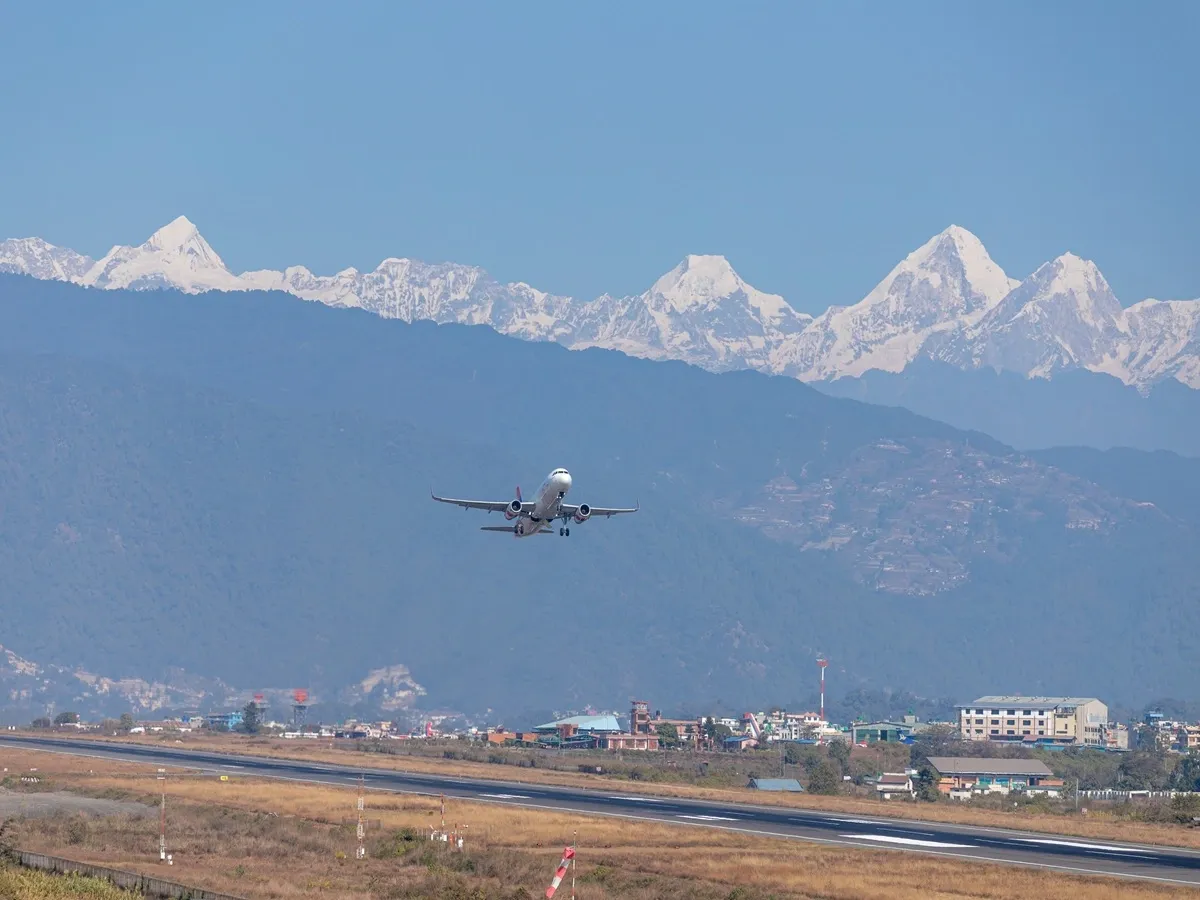
Arriving in Kathmandu can feel exciting and overwhelming at the same time. The sounds, the movement, the smell of incense in the air, and the mix of old and new all hit you at once. Most travelers step into the city feeling tired from long flights, heavy air travel days, and jet lag that makes everything sharper than it needs to be. Starting your Nepal trip gently makes the entire experience easier. When your first few hours feel calm, the rest of the journey opens up naturally.

Why do travelers need a gentle start when they arrive in Nepal?

Travelers need a gentle start when they arrive in Nepal because the jump from quiet airport routines to Kathmandu’s busy streets can feel intense.

Your body is tired, your senses are overloaded, and your mind needs a moment to settle.

What makes arrival tough

• Long flights into the valley
• New sounds and traffic patterns
• Altitude changes
• Different smells and humidity
• Mental fatigue from travel days

A soft landing helps you adjust without pushing yourself.

How can travelers make the first hour after landing smoother?

Travelers can make the first hour after landing smoother by moving slowly, drinking water, and not rushing through the airport.

Kathmandu’s arrival process is simple, but your body benefits from a slower pace.

Easy steps after landing

• Walk calmly to immigration
• Take your time collecting bags
• Step outside for fresh air when ready
• Sit for a minute before finding your vehicle
• Avoid making big decisions right away

Your first hour sets the tone for the whole day.

What helps travelers stay calm during the drive into the city?

What helps travelers stay calm during the drive into the city is focusing on simple things like breathing, looking at the hills, and not trying to understand every detail right away.

Kathmandu’s roads can feel chaotic at first.

Ways to ease the drive

• Keep your expectations soft
• Look at the distant hills instead of traffic
• Don’t check your phone constantly
• Use the ride to settle your mind
• Accept that the city has its own rhythm

The goal is to let your senses adjust slowly.

Why is settling your room first the easiest way to start the trip gently?

Settling your room first is the easiest way to start the trip gently because it gives your body a signal that you’ve arrived safely.

You don’t need to explore right away. You just need a moment to land.

Simple settling habits

• Open your backpack and take out essentials
• Splash cool water on your face
• Drink tea or warm water
• Sit quietly for five minutes
• Stretch your shoulders and back

Your body relaxes when your space feels familiar.

What should travelers do in their first walk around Kathmandu?

Travelers should take a short, low-effort walk in their first hours in Kathmandu, not a full sightseeing run.

A gentle walk helps you learn the pace of the city without tiring yourself.

Good ideas for a first walk

• Circle a stupa
• Visit a small tea shop
• Observe people going through daily routines
• Notice the sounds around you
• Keep the walk under thirty minutes

This keeps your energy steady for the next day.

How can travelers adjust to Nepal’s altitude and air more comfortably?

Travelers can adjust to Nepal’s altitude and air more comfortably by staying hydrated and taking easy breaths during their first few hours.

Kathmandu isn’t extremely high, but your body still notices the difference.

Simple adjustment steps

• Drink warm tea
• Avoid heavy meals immediately
• Walk slowly
• Sit down when you need to
• Rest again after your walk

The goal is comfort, not accomplishment.

What kind of food and drinks help travelers settle in on day one?

The kind of food and drinks that help travelers settle in on day one include warm, simple meals and light snacks.

Your stomach needs gentle support after a long journey.

Settling foods

• Thukpa
• Light dal
• Fresh bread
• Hot tea
• Yogurt with honey

These items warm you without weighing you down.

How can travelers mentally ease into Kathmandu without feeling overwhelmed?

Travelers can mentally ease into Kathmandu by focusing on a few small moments instead of trying to absorb everything at once.

The city has layers. You don’t need to understand them all right away.

Helpful mental shifts

• Notice simple routines
• Let sounds come and go
• Avoid planning too much on day one
• Keep expectations low
• Enjoy calm pauses

Your mind adjusts faster when you stop rushing.

What gentle activities help travelers feel grounded on their first day?

Gentle activities that help travelers feel grounded include slow walks, warm drinks, and quiet observation.

You don’t need a checklist. You just need calm presence.

Grounding activities

• Sitting near a stupa
• Drinking tea at a small café
• Watching evening lamps being lit
• Taking short breaks in quiet corners
• Returning to your room early

These help your body transition into Nepal’s rhythm.

Why is Boudha Mandala Hotel a peaceful place for a gentle start to your Nepal trip?

Boudha Mandala Hotel is a peaceful base for a gentle start to your Nepal trip because it sits a short walk from Boudhanath Stupa, one of the calmest and most grounding places in Kathmandu.

Why the location helps

Easy arrival experience
• Quiet lanes near the stupa
• Warm cafés nearby
• Simple first-day walking options
• Calm evenings for recovery

Starting your Nepal journey in Boudha makes everything after feel easier.