Key Takeaways
• The best books on Buddhism depend on your path, whether you are just beginning, deepening, or remembering.
• Buddhist books are not merely to be read, but absorbed. They are companions for inner clarity.
• Start with Thich Nhat Hanh, Bhikkhu Bodhi, or Walpola Rahula for grounding.
• As you deepen, Pema Chödrön, Ajahn Chah, and the Dalai Lama become gentle yet radical voices.
• Buddhist scriptures are not reserved for scholars, they’re living texts meant to be lived.
• The most important book is the one that makes you stop, breathe, and soften.
How to Choose a Buddhist Book That Truly Resonates
If you walk into a monastery library, you’ll often see not just rows of texts, but flowers on the shelves. In Buddhism, the right book isn’t just a source of knowledge, it’s an offering. Something sacred. Something that meets the reader exactly where they are.
Some books speak when we’re broken. Others arrive when we’re ready. Your journey matters more than the book list. Ask yourself:
“Do I need to understand? Or do I need to feel held?”
For Beginners: Books That Gently Open the Dharma
When I first came across the Dharma, I was overwhelmed. So many teachings. So many traditions. But the right book felt like a hand on my back.
If you’re beginning, these books are clear, honest, and simple without being simplistic:
• “The Heart of the Buddha’s Teaching” by Thich Nhat Hanh
This is the kind of book that makes the Dharma feel like home. Gentle, poetic, but deeply rooted in core teachings, suffering, mindfulness, compassion.
• “What the Buddha Taught” by Walpola Rahula
Direct and scholarly, yet accessible. A Theravāda classic that lays out the Four Noble Truths and Eightfold Path with no frills or mysticism.
• “In the Buddha’s Words” edited by Bhikkhu Bodhi
A remarkable collection of sutta translations, carefully organized by theme. Bhikkhu Bodhi adds helpful introductions that bring ancient texts to life.
These are not just books for learning Buddhism. They are books for living it.
For Practitioners: Books That Deepen the Path
Once the teachings settle into your bones, you begin to see how real they are, in joy, in grief, in love, in confusion. These are the books that meet you there.
• “When Things Fall Apart” by Pema Chödrön
This is not a comforting book. It’s a truthful one. Pema speaks from the messy middle: heartbreak, impermanence, and the fierce grace of letting go.
• “The Art of Happiness” by the Dalai Lama & Howard Cutler
A dialogue between Tibetan wisdom and Western psychology. Kind, accessible, and surprisingly personal.
• “Being Dharma” by Ajahn Chah
A collection of talks from one of Thailand’s great forest masters. Practical, humorous, and sometimes painfully direct.
These books don’t offer escape. They offer mirrors.
For Meditators and Contemplatives
Meditation is not an achievement. It’s a returning. These books are practical and poetic roadmaps for that return.
• “Mindfulness in Plain English” by Bhante Gunaratana
As honest as the title suggests. Perfect for anyone starting or restarting their practice.
• “The Miracle of Mindfulness” by Thich Nhat Hanh
One of the most beloved introductions to present-moment awareness. More than a guide, it’s a meditation in itself.
• “The Attention Revolution” by B. Alan Wallace
A deeper dive into śamatha practice (calm abiding). Ideal for those wanting to refine focus and clarity.
These texts are best read slowly, like tea. Sip, pause, return
Buddhist Scriptures and Classical Texts (For Serious Study)
Some books are not just read, they are bowed to.
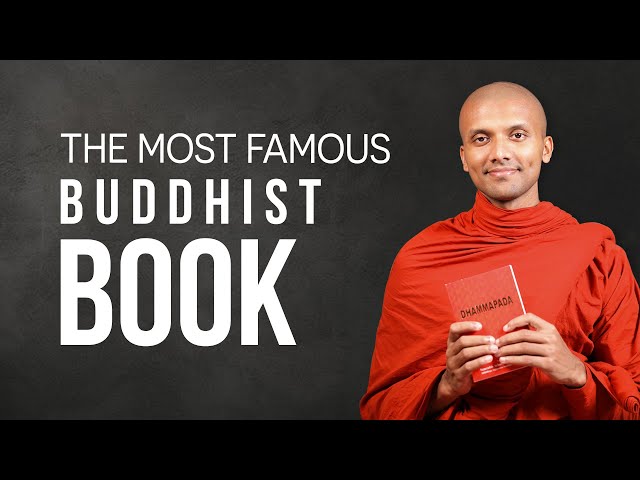
• The Dhammapada
Short verses with endless depth. You’ll return to this again and again.
• The Tibetan Book of Living and Dying by Sogyal Rinpoche
A bridge between Tibetan Buddhist views on death and modern spiritual inquiry. Especially powerful for hospice workers, healers, and those in grief.
• The Majjhima Nikāya (Middle-Length Discourses)
If you want to hear the Buddha’s voice as close to original as possible, start here. Not easy, but immensely rewarding with guidance.
For deeper study, you can explore Oxford Centre for Buddhist Studies or the Plum Village Library.
Final Reflection
Books in Buddhism are not meant to impress you. They’re meant to transform you. You might read a hundred titles and remain stuck. Then one sentence, at the right time, opens the sky.
Sometimes that sentence appears in a monastery. Sometimes in a guesthouse. Sometimes, alone, in the quiet of your own questioning.
Let the book find you. And when it does, don’t rush. Let it whisper. Let it challenge. Let it remind you that wisdom is not elsewhere, it’s here, in your breath, your body, your moment-to-moment response to life.
FAQs on Buddhist Books
What’s the best Buddhist book to start with?
“The Heart of the Buddha’s Teaching” by Thich Nhat Hanh is often the gentlest and clearest doorway for beginners.
Are Buddhist books religious or philosophical?
Both. But they’re also deeply experiential. Good books don’t just explain, they help you practice, reflect, and live differently.
Can I read Buddhist scriptures without being a monk?
Absolutely. The teachings were meant for all beings. With good commentary or a teacher, even dense texts become accessible.
What if a book feels too intellectual or abstract?
Set it down. Find another. Buddhism is vast. Your heart will recognize the book that’s right for you now.
Is it better to read many books or go deep into one?
Depth is better than quantity. Let one book change you, rather than reading ten that only touch the surface.
Want to Read, Reflect, and Stay in a Space That Honors the Teachings?
At Boudha Mandala Hotel, we meet travelers, monks, artists, and readers who arrive with a book in one hand and a quiet longing in the other.
Just steps from the great stupa of Boudhanath, we offer a peaceful base where the teachings feel close, whether you’re reading The Dhammapada in our garden or journaling after a monastery walk.
If you’re looking for a peaceful hotel near Boudha, we invite you to stay, breathe, and begin again.