
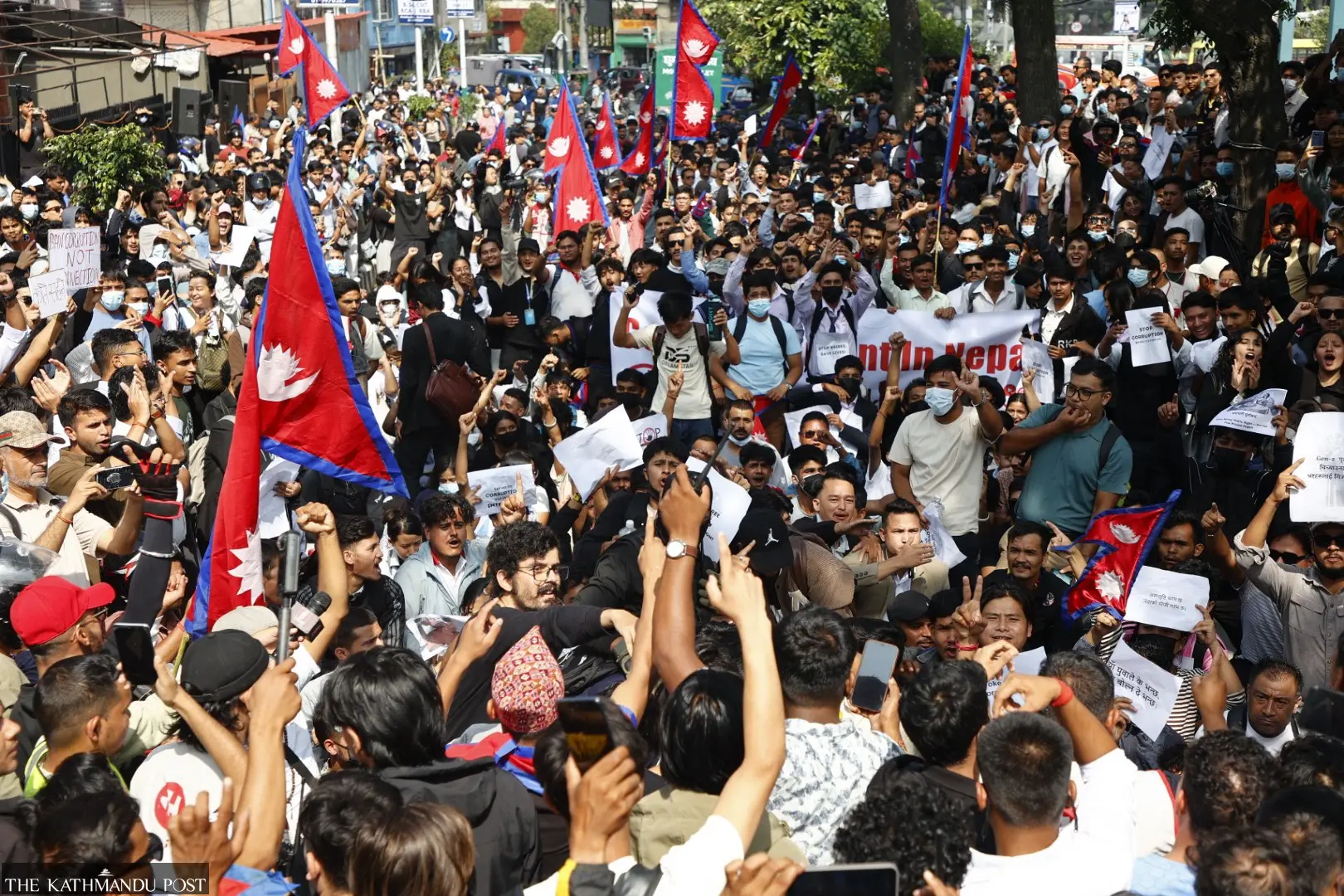
When fire rose over Singha Durbar and the streets of Kathmandu filled with chants for justice, the world held its breath. News headlines flashed with images of unrest and anger, the kind that make travelers hesitate and tour operators brace for cancellations. But behind the smoke and headlines, another story quietly unfolded one of resilience, reassurance, and remarkable recovery.
Key Takeaways
• No tourists were harmed during the recent Gen-Z protests, Nepal remains a safe and welcoming destination.
• The tourism industry faced damages exceeding $187 million, yet visitor arrivals continue to rise steadily.
• Trekking routes, flights, and hotels across the country are open and operating normally.
• A powerful diaspora movement and local resilience are driving Nepal’s tourism comeback.
“No Tourists Were Harmed” A Message That Matters
At a recent community event in New York, Nepal’s Consul General, Dadhiram Bhandari, stood before members of the Nepali diaspora with a clear message: “No tourists were harmed during the recent protests. Nepal is safe to visit.”
This wasn’t just diplomacy. It was a lifeline for an industry that has endured more challenges than most nations could imagine. From the 2015 earthquake to the pandemic, Nepal’s travel sector has always found a way to rise again. And this time, even as Gen-Z-led protests rocked the country, that same spirit of endurance returned in full force.
A Nation at a Crossroads
The protests that began in early September 2025 weren’t about tourism, they were about transformation. Sparked by frustration over corruption, inequality, and a sweeping ban on social media platforms, thousands of young Nepalis poured into the streets demanding change.
But even amid the chaos, something remarkable happened: the protests never turned against visitors. Around 15,000 foreign tourists were in the country at the time, trekking the Annapurna trails, exploring Chitwan’s jungles, and sipping coffee in Pokhara’s lakeside cafés. Not one was targeted or harmed.
While the capital city saw tense moments roadblocks, curfews, and the tragic loss of over 76 lives most of Nepal continued its rhythm of normal life. The mountains remained calm, the monasteries continued their chants, and locals, ever warm-hearted, helped travelers navigate safely through uncertain days.
The Hit and the Hope
Of course, the industry took a financial blow. The Hotel Association of Nepal reported damages exceeding $187 million, with about two dozen hotels vandalized or looted. The Hilton in Kathmandu alone faced losses of over $60 million. For a sector just regaining momentum after years of setbacks, it felt like another cruel test.
And yet optimism endures. In September alone, 78,711 foreign visitors entered Nepal, including nearly 10,000 Americans. That’s fewer than last year, yes, but higher than many expected after the unrest. Many were members of the Nepali diaspora returning home for Dashain and Tihar a subtle but powerful show of faith in their homeland.
Life After the Protests: Calm, Open, and Ready
Fast-forward to today, and the reality on the ground tells a very different story from the sensational headlines.
• Trekking routes like Everest Base Camp, Langtang, and Annapurna are open and operating normally.
• Airports and domestic flights are running smoothly.
• Hotels and restaurants outside protest zones are buzzing again, their doors wide open to travelers.
• Curfews are lifted, and city life in Kathmandu is back to its vibrant self, with just a few government buildings still under repair.
Tour guides report that most disruptions were logistical not dangerous. “Tourists faced delays, not danger,” says one Kathmandu-based operator. “Even during the peak of the protests, our guests were safe locals made sure of it.”
Diaspora Power: Promoting Nepal’s Positivity
Consul General Bhandari’s call to the Nepali diaspora was more than symbolic. Across social media, travel blogs, and community events, Nepalis abroad are amplifying a unified message: Nepal is open, safe, and as breathtaking as ever.
From trekking companies offering flexible rebooking options to influencers sharing serene mountain footage with hashtags like SafeNepal and VisitNepalNow, a grassroots movement is rebuilding global confidence one post at a time.
Lessons From the Crisis
The Gen-Z protests were a turning point not just politically, but socially. They reflected a younger generation’s demand for transparency and opportunity, values that resonate with travelers seeking authenticity and connection.
For the tourism industry, this moment underscored vital lessons:
• Transparency builds trust. Honest updates and quick communication from tour operators helped avoid panic.
• Resilience is Nepal’s brand. After earthquakes, pandemics, and protests, Nepal’s ability to bounce back is part of what makes it unforgettable.
• Community matters. From locals guiding tourists to safety to diaspora members promoting Nepal abroad unity became the country’s greatest strength.
Why You Should Visit Now
If you’ve been wondering whether it’s the right time to visit Nepal, here’s the truth: it’s the perfect time.
By coming now, you don’t just enjoy serene trails and timeless temples you become part of Nepal’s recovery story. You help a guide pay his staff again, a hotel reopens its doors, and a nation remind the world of its unshakable hospitality.
The mountains are still waiting. The prayer flags still flutter. And the people, ever warm and welcoming, are ready to greet travelers with open hearts and fresh hope.
Frequently Asked Questions (FAQs)
Q: Is Nepal safe for tourists now after the protests?
A: Yes. The unrest was largely concentrated in parts of Kathmandu, and major tourist areas including trekking routes, national parks, and cities like Pokhara were not affected. The situation has stabilized, and tourism operations (flights, hotels, tours) are running normally.
Q: Are trekking routes like Everest, Annapurna, and Langtang open and safe?
A: Absolutely. These trails were never fully shut down by protest-related disruptions. Guides report that while some logistical delays happened in Kathmandu, the mountain areas remained peaceful and accessible.
Q: Should travelers avoid Kathmandu (or certain areas) because of unrest?
A: You don’t need to avoid Kathmandu altogether. Most parts are open and busy again but exercising caution in proximity to political or governmental zones is wise. Avoid protests or mass gatherings, and follow local guidance.
Q: What precautions should I take when traveling in Nepal now?
A:Stay informed via trustworthy sources and local news updates.
Avoid protest zones and demonstrations.
Confirm bookings and schedules with tour operators before heading out.
Carry travel insurance that covers emergency evacuation.
Be mindful of altitude, health, and road/transport conditions.
Q: Will my visit help Nepal’s recovery?*
A: Yes, your travel dollars matter. Every trek booked, every meal eaten, and every hotel night stayed helps local guides, staff, and small businesses reemerge. Visiting now is a meaningful way to support the tourism sector’s rebound.
Final Thought:
Nepal’s Gen-Z protests may have shaken its streets, but not its spirit. Today, that same spirit stands tall, stronger, braver, and smiling inviting the world to come see beyond the headlines.
Because in Nepal, even after the storm, the view is always worth the climb.