
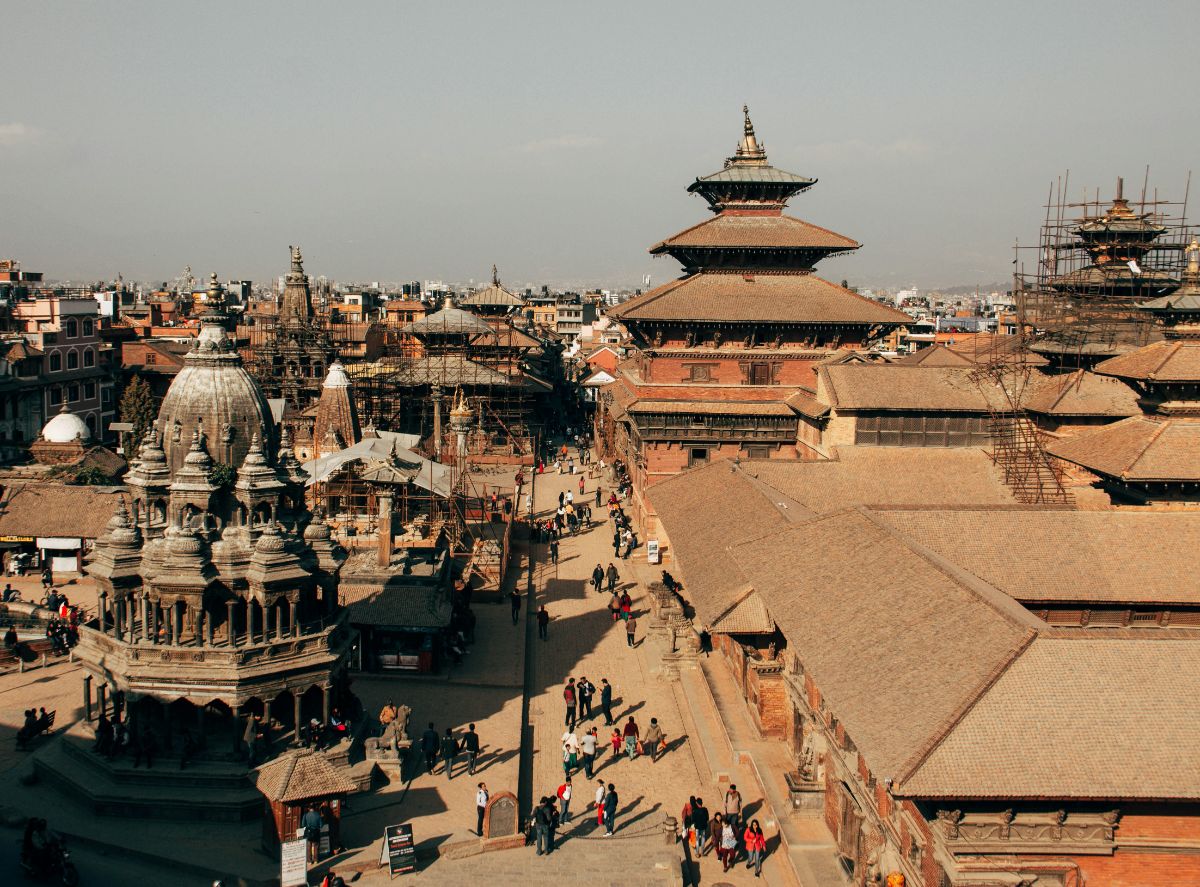
Many travelers arrive in Nepal with a sense of caution that doesn’t quite fit the reality on the ground. They worry about the wrong things and overlook the ones that actually matter. Nepal is not unsafe in the way headlines or vague warnings sometimes suggest, but it does require a different understanding of risk.
Safety here isn’t about constant alertness. It’s about context, awareness, and knowing what deserves your attention.
Why Nepal feels less safe before you arrive than after
Before arriving, safety concerns are usually abstract. News stories, government advisories, and online forums blur together. Once in Nepal, many travelers are surprised by how normal daily life feels.
This disconnect happens because Nepal’s risks are rarely aggressive or intentional. There’s very little violent crime directed at travelers. What feels unsafe at first is often unfamiliar, not dangerous.
Crowded streets, noise, informal systems, and visible poverty can trigger anxiety for visitors used to cleaner, more regulated environments. Over time, that tension usually fades as patterns become clear.
Why crime is not the main safety issue for travelers
Most first-time visitors expect theft, scams, or personal danger to be the primary risk. In reality, violent crime against travelers is rare, and opportunistic theft is relatively minor compared to many other destinations.
Basic precautions matter:
• Don’t leave valuables unattended
• Be mindful in crowded areas
• Avoid isolated places late at night
But these are common-sense measures, not signs of high risk. Travelers who stay aware without becoming defensive generally feel comfortable quickly.
What travelers overlook about traffic and movement
The most underestimated safety risk in Nepal is movement, especially traffic. Roads are busy. Pedestrian rules are informal. Vehicles don’t always behave predictably.
This doesn’t mean chaos. It means you need to adjust how you cross streets and navigate space. Eye contact, patience, and steady movement matter more than right-of-way.
Many minor injuries happen not because travelers were careless, but because they assumed systems would protect them. In Nepal, personal awareness replaces infrastructure.
Why altitude and fatigue are safety factors, even in cities
Travelers often associate altitude risk only with trekking. Even cities like Kathmandu sit high enough to affect energy levels, sleep, and hydration.
Fatigue lowers awareness. Dehydration affects judgment. Overpacked itineraries increase accident risk more than crime ever will.
Safety improves dramatically when travelers:
• Rest more than they think they need
• Eat simply
• Hydrate consistently
• Avoid stacking long travel days
Physical care is a safety strategy here.
Why health concerns are often misunderstood
Food and water safety cause anxiety for many visitors. While care is needed, most issues come from sudden changes, not danger.
Digestive discomfort often results from:
• Overeating unfamiliar food
• Eating too late at night
• Constant snacking
• Ignoring rest
Travelers who simplify meals and respect local rhythms tend to adjust without problems. Panic and over-restriction often cause more issues than the food itself.
Why “unsafe” neighborhoods are rarely what travelers think
Travelers sometimes label areas as unsafe because they feel poor, crowded, or unfamiliar. In Nepal, these traits don’t reliably indicate danger.
Some of the busiest, messiest neighborhoods are socially tight-knit and highly observant. Strangers stand out, which often means people notice you more, not less.
Actual discomfort usually comes from sensory overload, not threat. Learning to separate the two is key.
Why solo travelers often feel safer than expected
Nepal is widely regarded as safe for solo travelers, including women, especially during the day. Curiosity from locals is common, but it’s usually social, not predatory.
Attention doesn’t automatically signal risk. Context matters. Body language, tone, and persistence tell you more than the fact of being noticed.
Trust your instincts, but don’t assume interest equals danger.
Why emergencies are handled differently
One real difference travelers should understand is how emergencies are managed. Responses may be slower, more improvised, or less formal than visitors expect.
This doesn’t mean help won’t come. It means preparation matters:
• Travel insurance is essential
• Knowing where hospitals are helps
• Buffer time in plans reduces stress
Safety in Nepal relies more on personal preparedness than on rapid-response systems.
Why locals appear calm in situations that alarm visitors
Travelers often feel unsettled by how calmly locals react to things that seem unsafe or chaotic. This isn’t indifference. It’s familiarity.
People here have learned what is genuinely risky and what simply looks dramatic. This local calibration is useful. Observing how others behave often gives better safety cues than assumptions.
If locals are relaxed, it’s usually a good sign.
Why safety advice online can be misleading
Much online advice about Nepal is outdated, generalized, or written without context. Warnings tend to stack without hierarchy, making everything sound equally dangerous.
In reality, risks are uneven. Some matter a lot. Others barely matter at all. Knowing the difference keeps you calm and alert at the same time.
Fear flattens nuance. Experience restores it.
What travelers should actually focus on
If you reduce safety in Nepal to a short list, it looks like this:
• Manage fatigue and health
• Stay aware around traffic
• Keep valuables secure
• Allow extra time
• Read situations instead of assuming
Everything else tends to fall into place.
Why Nepal feels safer the longer you stay
Most travelers report the same pattern. Initial concern fades quickly. Confidence rises. Movements become smoother. Interactions feel easier.
Nepal doesn’t become safer over time. You become more attuned to how safety works here.
That adjustment is the real protection.
What this understanding changes about your trip
When you stop worrying about the wrong things, Nepal opens up. You move more freely. You engage more naturally. You trust your experience instead of second-guessing it.
Safety becomes a background consideration, not a constant preoccupation.
Staying in a stable, familiar area during your first days helps build this confidence, and places like Boudha Mandala Hotel offer a calm base where travelers can orient themselves before exploring more widely.