
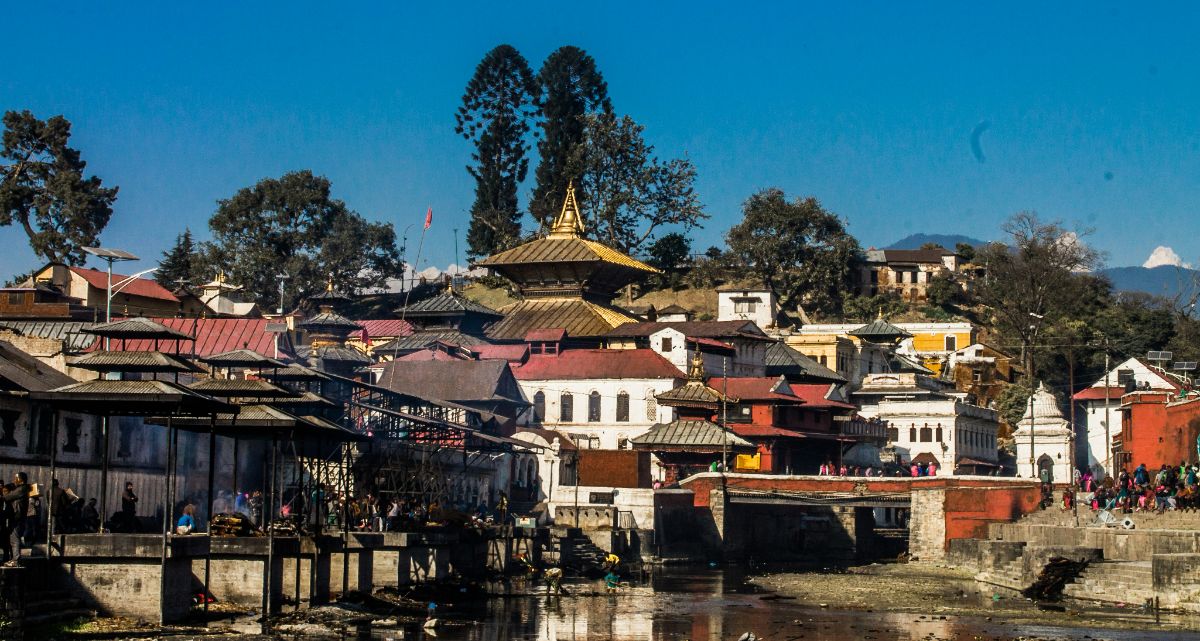
Why the Kathmandu Valley Forces You to Slow Down and Notice Everything

The Kathmandu Valley doesn’t reward speed. It rewards attention. Travelers who rush through it often leave confused or tired. Those who slow down and notice small things leave changed. This valley doesn’t announce what matters. It quietly waits to see if you’re paying attention.

This is not accidental. The valley has been shaped, lived in, and repeated for centuries in a way that demands awareness rather than efficiency.

Why does the valley feel overwhelming at first?

Because too much is happening at once, and none of it is prioritized for you. Sounds overlap. Smells mix. Streets don’t signal where to look or where to go. There is no clear foreground or background.

Most destinations guide attention with signs, sightlines, and highlights. The Kathmandu Valley does the opposite. Everything exists at the same level. Shrines sit beside shops. Rituals happen next to traffic. Private life spills into public space.

At first, the brain looks for order and doesn’t find it. Attention scatters. Fatigue sets in. This is the valley’s first lesson. You can’t consume it all. You have to choose what to notice.

How does walking change the way you see the valley?

Walking is not just transport here. It’s a way of learning. Streets are narrow, uneven, and rarely straight. You can’t zone out. You step carefully. You adjust constantly.

When you walk, details surface. A woman placing rice at a shrine. A metalworker tapping rhythmically inside a dark shop. A courtyard opening suddenly behind a doorway you almost missed.

Vehicles move too fast for this. Walking trains your eye to look sideways, not forward. That shift changes everything.

Why do small details matter more than landmarks?

Because meaning in the Kathmandu Valley lives in repetition, not spectacle. A single temple is impressive. A hundred small shrines used every day explain how life works.

Travelers who chase highlights often miss the logic of the place. Those who notice daily rituals begin to understand it. Bells at the same hour. Incense replaced each morning. The same path walked again and again.

Attention reveals patterns. Patterns reveal structure. Structure reveals calm.

How do sounds teach you where you are?

Sound is directional here. It tells you what’s happening without asking you to look. Bells signal prayer. Music signals movement. Chanting signals time passing.

You learn to locate yourself through sound. A sudden drumbeat means a procession nearby. A cluster of bells means a shrine. Silence in a courtyard means private space.

Paying attention to sound keeps you oriented in a place where maps often fail.

Why does the valley force you to slow down mentally?

Because nothing resolves instantly. Streets bend. Routes change. Plans dissolve. What you expect to happen often doesn’t.

At first, this feels inefficient. Then something shifts. You stop predicting. You start observing. Waiting becomes watching. Delays become information.

The valley trains patience by refusing to respond to urgency.

How do rituals sharpen awareness?

Rituals happen in public and without warning. They interrupt normal flow. A procession blocks a street. An offering pauses a shop. A prayer redirects attention.

You learn to read subtle cues. Movement slows. People gather. Music starts. Attention shifts collectively.

Once you notice this pattern, rituals stop feeling disruptive. They feel like punctuation. The valley teaches you when to pause and when to move by example.

Why do travelers feel more present here than elsewhere?

Because the valley doesn’t allow autopilot. You can’t move through it unconsciously for long. You have to look where you step. You have to read faces. You have to listen.

Presence becomes practical. Not spiritual. Not performative. Simply necessary.

This is why many travelers feel strangely grounded here, even amid noise and crowds. Attention anchors you.

How does this change the way travelers see themselves?

Paying attention changes behavior. You speak less. You watch more. You interrupt less. You react slower.

Many travelers realize how conditioned they are to speed, efficiency, and constant stimulation. The valley gently exposes that habit without judgment.

You don’t conquer the Kathmandu Valley. You adapt to it.

What happens when you stop trying to understand everything?

Understanding arrives anyway. Quietly. Not through explanation, but through familiarity. The same corner passed three times. The same sound heard each morning. The same rhythm repeating.

This is when the valley opens up. Not visually, but internally.

Attention turns confusion into coherence.

Why does this stay with travelers long after they leave?

Because attention reshapes memory. You don’t remember lists. You remember moments. The smell of incense at dusk. A bell you heard daily. The way streets felt alive but never hostile.

The Kathmandu Valley doesn’t give you a story to tell. It gives you a way of noticing that lingers long after the trip ends.

Staying somewhere calm helps travelers settle into this pace, and places like Boudha Mandala Hotel offer a quiet base while remaining connected to the everyday life of the Kathmandu Valley.
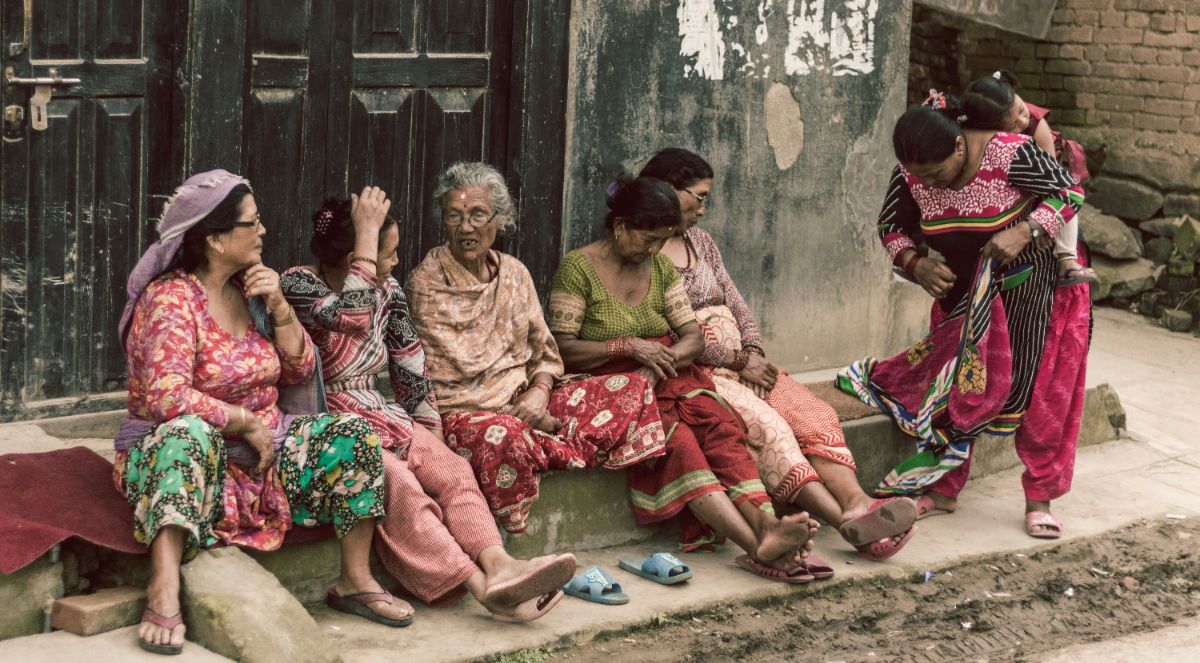
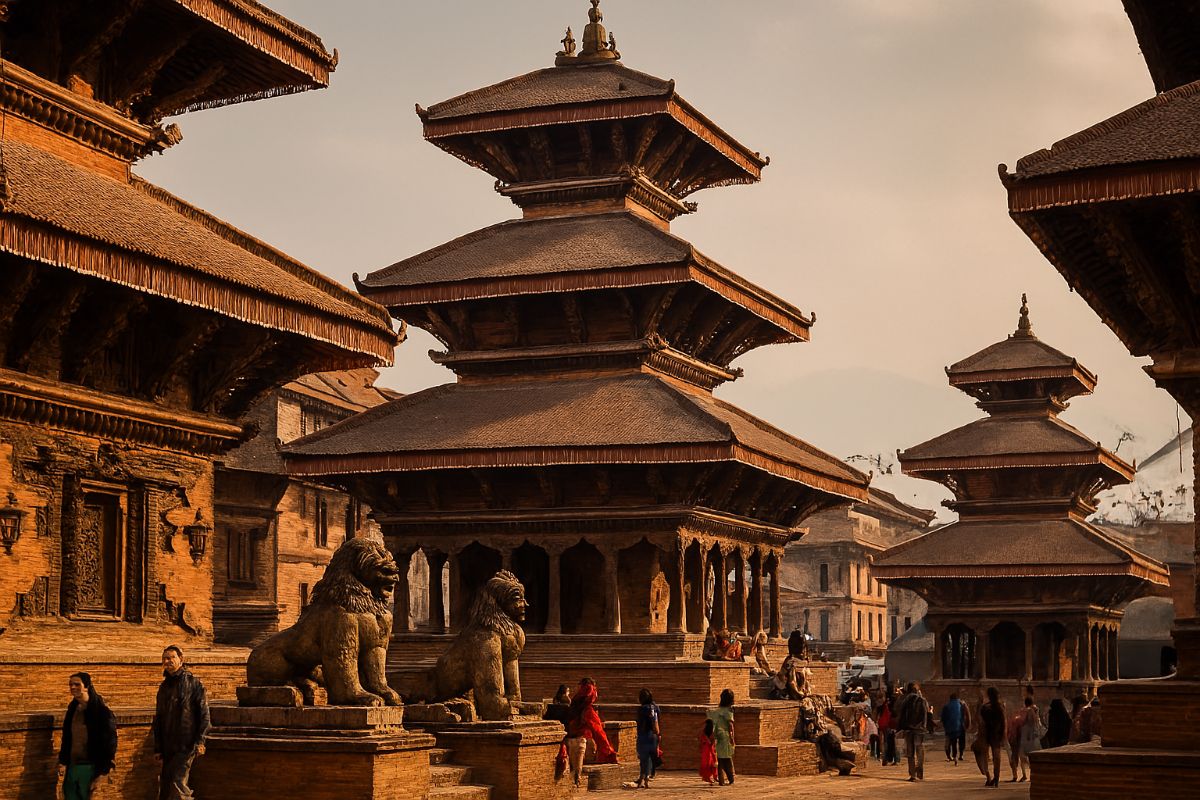
How to Get Helpful Answers When You Ask for Help in Nepal

Most travelers assume asking for help is universal. You ask clearly, someone answers clearly, and the problem gets solved. In Nepal, help works differently. People are willing, observant, and generous, but the way you ask matters as much as what you ask.

When travelers struggle to get useful help here, it’s rarely because people don’t want to assist. It’s because the request doesn’t fit how help is offered.

This guide shows how to ask in a way that works.

Why asking for help in Nepal feels confusing at first

Nepal runs on context more than clarity. People often prioritize politeness, harmony, and possibility over direct accuracy. A vague answer doesn’t mean indifference. It usually means the person is trying not to shut you down.

First-time travelers often expect precision and get reassurance instead. They hear “yes” when the real message is “maybe,” or “it should be fine” when conditions are still uncertain.

Understanding this gap changes everything.

Who you ask matters more than what you ask

Not everyone is positioned to help you, even if they want to. The most reliable help usually comes from people who are stationary and socially anchored.

Good people to ask:

• Shopkeepers
• Café staff
• Security guards
• Older locals sitting or working nearby

Less reliable sources:

• People walking quickly
• Young students in groups
• Anyone clearly in transit

Someone rooted in a place usually knows it well. Someone passing through may not, even if they answer confidently.

Why asking indirectly works better than asking directly

Direct questions demand final answers. Indirect questions invite conversation. In Nepal, conversation is how accuracy emerges.

Instead of asking:
“Is this the right way?”

Try:
“I’m trying to get to this place. Is this how you would go?”

The second approach allows adjustment, clarification, and follow-up without forcing a yes or no. It also gives the person space to think aloud.

Help here often unfolds, not delivers.

Why “yes” doesn’t always mean yes

One of the biggest misunderstandings travelers face is the polite yes. Saying no directly can feel uncomfortable or disrespectful. So people keep possibilities open.

“Yes” may mean:

• I think so
• It should be possible
• Someone else might know better
• I don’t want to disappoint you

This is why confirmation matters. Ask the same question in a slightly different way, or ask a second person nearby. Patterns reveal truth faster than single answers.

How repetition improves accuracy

In Nepal, asking twice is not rude. It’s normal. Information often becomes clearer through repetition and cross-checking.

If two people give similar directions using different words, you’re probably on the right track. If answers vary wildly, conditions may be changing or the route may not be fixed.

Treat help as a process, not a transaction.

Why body language matters more than words

Your posture, patience, and tone influence the quality of help you receive. Rushing signals urgency, which can shorten answers. Calm curiosity invites engagement.

Standing still, smiling lightly, and giving people time to respond often results in better guidance than rapid-fire questions.

Help flows more easily when the interaction feels human, not procedural.

Why directions are often landmark-based

Addresses and street names matter less here than visible reference points. Directions often rely on temples, shops, intersections, or turns rather than distances.

Listen for landmarks, not measurements. If someone says “near the big tree” or “after the old temple,” that information is more useful locally than a street name.

If you don’t recognize the landmark, ask what it looks like.

How to ask for help without drawing a crowd

In busy areas, questions can attract attention quickly. This isn’t hostility. It’s curiosity. If you want focused help, step slightly aside or address one person directly.

Crowds produce multiple answers, which can overwhelm instead of clarify. One calm interaction usually works better than five simultaneous suggestions.

Why locals may walk with you instead of explaining

Sometimes people won’t explain at all. They’ll just start walking. This isn’t impatience. It’s practicality.

Walking together removes ambiguity. Accept it when it happens. It’s one of the clearest forms of help you’ll receive.

If someone walks you part of the way, that’s a sign of genuine care, not inconvenience.

How to thank people appropriately

A simple thank you is enough. Over-effusiveness can feel awkward. A smile, eye contact, and a clear expression of gratitude fit local norms better than exaggerated praise.

Help here isn’t framed as a favor. It’s part of daily interaction.

Why asking for help gets easier the longer you stay

As you spend more time in Nepal, you start asking differently without realizing it. Your questions soften. Your expectations adjust. You learn when to wait, when to follow up, and when to accept uncertainty.

The quality of help improves because your approach does.

What travelers often misunderstand

Travelers sometimes think unclear answers mean people don’t know or don’t care. In reality, people are protecting possibility. They’d rather keep a door open than close it prematurely.

Once you see this, confusion turns into cooperation.

What this changes about traveling in Nepal

When you ask in a way that fits local logic, Nepal becomes easier. Directions make more sense. Delays feel manageable. Interactions feel warmer.

You stop forcing clarity and start receiving guidance.

Staying in a neighborhood where people are used to travelers also helps, and areas like Boudha, with familiar rhythms and attentive locals, make these interactions smoother. Places such as Boudha Mandala Hotel offer a stable base where travelers can practice this approach comfortably while navigating Kathmandu and beyond.

How to Explore Kathmandu’s Hidden Corners on Foot

Kathmandu looks busy at first glance, but once you start walking, you find quiet lanes, tiny courtyards, old homes, and peaceful corners that most visitors never see. Exploring on foot gives you a softer view of the city and reveals places you’d never reach by taxi. You don’t need a plan. You just need a pair of comfortable shoes and a bit of curiosity.

Why is walking the best way to find Kathmandu’s hidden corners?

Walking is the best way to find Kathmandu’s hidden corners because the city is filled with narrow alleys and side paths that cars cannot enter.

These small routes show a different rhythm. You hear kids heading to school, smell bread from corner bakeries, and pass temples tucked between homes. None of this appears from car windows.

What walking lets you see

• Courtyards with small shrines
• Old wooden houses with carved windows
• Local markets tucked behind main streets
• Tea stalls filled with neighbors chatting
• Artists working outside their shops

Kathmandu rewards people who slow down.

Where should you start your walking exploration?

You should start your walking exploration in a neighborhood that already feels calm, such as Boudha, Patan, or Bhaktapur.

These areas give you safe lanes, interesting architecture, and easy walking routes.

Good starting areas

• Boudha’s alleys around the stupa
• Patan’s old city with narrow brick lanes
• Bhaktapur’s heritage squares and side paths
• Thamel’s backstreets early in the morning
• Small neighborhood markets around Asan

Starting in these places helps your walk unfold naturally.

Which hidden corners in Boudha are worth exploring on foot?

Hidden corners in Boudha that are worth exploring on foot include the quiet lanes behind the stupa, monastery paths, and markets used by locals.

Even though Boudhanath Stupa is well known, the small streets around it hold some of the softest scenes in Kathmandu.

Boudha corners to explore

• Back alleys where monks walk to class
• Small mandala studios
• Tea stalls run by families
• Monastery courtyards open in the morning
• Shops selling handmade incense and bread

A simple 20 minute wander often reveals something memorable.

What hidden corners in Patan are great for walking?

Hidden corners in Patan that are great for walking include small stone pavements, temple courtyards, and quiet lanes filled with workshops.

Patan feels like an open-air museum, but the magic sits in the lanes behind the main square.

Patan spots to look for

• Narrow lanes with brick houses
• Patan’s hidden inner courtyards
• Small metalworking studios
• Temples tucked between homes
• Stone fountains running gently

These paths show the real heart of the old city.

Which places in Bhaktapur feel special when explored on foot?

Places in Bhaktapur that feel special when explored on foot include pottery squares, traditional homes, and old walkways away from the main squares.

Walking here feels calm and historic.

Bhaktapur hidden corners

• Pottery Square
• Curve-shaped alleys with brick walls
• Small temples outside crowded areas
• Local homes with hand-carved windows
• Side streets where craftsmen work quietly

You can spend hours walking without feeling rushed.

How can you find hidden corners in crowded areas like Thamel?

You can find hidden corners in crowded areas like Thamel by avoiding the main lanes and choosing early mornings.

Thamel looks chaotic during the day, but at 7 am, the streets are quiet and easy to walk.

Thamel walking tips

• Start before shops open
• Follow side streets instead of the main road
• Visit small courtyards behind buildings
• Look for old homes behind shops
• Stop at small cafés that open early

You’ll see a different side of the neighborhood.

How can markets help you discover hidden parts of the city?

Markets help you discover hidden parts of the city because they lead into narrow lanes filled with everyday life.

You don’t stay in the market long. You use it as a doorway into nearby streets that tourists rarely enter.

Markets with walkable hidden paths

• Asan Market
• Indra Chowk
• Small fresh markets near Boudha
• Local spice alleys
• Residential lanes beside market squares

These places help you understand Kathmandu beyond the guides.

How can travelers stay comfortable while walking through hidden corners?

Travelers can stay comfortable while walking through hidden corners by staying hydrated, choosing good shoes, and taking breaks whenever something catches their eye.

Walking here is not about speed. It is about noticing.

Walking comfort tips

• Wear comfortable shoes
• Carry a bottle of water
• Take breaks for tea
• Avoid midday heat
• Follow your curiosity instead of a strict route

The best moments appear when you pause.

How can you explore hidden corners without getting lost?

You can explore hidden corners without getting lost by using simple waypoints, such as temples, squares, or tall buildings.

Kathmandu neighborhoods form loops. If you take a wrong turn, you usually end up back on a main street within minutes.

Easy navigation habits

• Remember the direction of the stupa or main square
• Follow larger roads when returning
• Keep your phone for reference
• Ask locals with simple gestures
• Move slowly and observe landmarks

People are helpful, and walking rarely takes you far from where you started.

Why is Boudha Mandala Hotel a good point for exploring hidden corners on foot?

Boudha Mandala Hotel is a good base for exploring hidden corners on foot because it sits inside one of Kathmandu’s most walkable neighborhoods.

You can step outside and immediately enter calm lanes, monasteries, and markets that reveal the city’s quieter side.

Why the location works

• Two minute walk to the stupa
• Easy access to peaceful alleys
• Short rides to Patan and Bhaktapur
• Safe routes for morning and evening walks
• A calm place to return to after long walking days

For travelers who want to explore slowly and discover places most people miss, Boudha is the perfect starting point.