
TL;DR
• Buddhist meditation is a way of seeing, not escaping
• It begins with the breath, but leads to compassion, clarity, and liberation
• Practices like Vipassanā, Samatha, and Metta reveal the truth of impermanence and the nature of self
• You don’t need robes or rituals to begin, just sincerity and presence
• Meditation is the heart of Buddhism, because it shows us how to suffer less, and love more
A Practice Older Than the Dust on Pilgrim Paths
To understand Buddhist meditation, you have to begin not with technique, but with the reason.
Why do we sit? Why do monks rise before dawn, why do pilgrims walk in circles around stupas, beads in hand, breath quiet?
Not to chase peace. Not to block out the world. But to remember something we forget, again and again.
That the mind is not the enemy. That silence is not empty. That in stillness, we can hear what’s true.
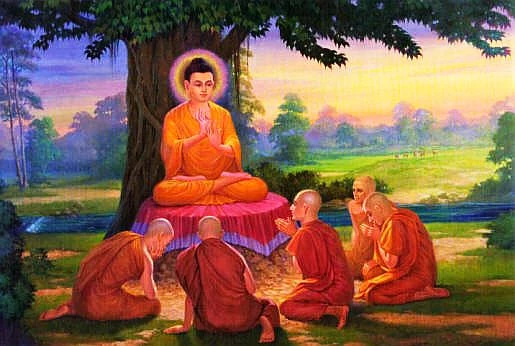
The Buddha, after years of extremes, sat beneath the Bodhi tree with no expectation. Just breath, body, and unwavering attention. What he saw there wasn’t supernatural, it was ordinary, seen clearly. That everything changes, that clinging brings suffering, and that freedom is possible.
Three Paths, One Heart
Though the lineages vary across countries and centuries, the essence of Buddhist meditation rests on three pillars. These are not categories to master, but companions that unfold together, like breath, body, and sky.
Vipassanā, Seeing Things As They Are
In the Theravāda tradition, this is often the first formal training. Vipassanā, or insight meditation, invites you to observe the body, thoughts, and emotions without decorating them, without editing.
What happens when you simply watch the breath, or a rising feeling, without judgment?
You start to notice: this moment is moving. Sensations rise, pass. Thought loops dissolve when you don’t feed them. Self becomes more like a story than a solid fact.
The insight doesn’t come from believing. It comes from looking.
“Just as footprints follow the ox that pulls the cart, so too does suffering follow the untrained mind,” said the Buddha.
This practice is the training.
For foundational texts on this, explore Access to Insight’s guide to Vipassana.
Samatha , Calming the Waters
Before the mind can see clearly, it often needs to settle. That’s where Samatha, or calm-abiding meditation, comes in.
Focus on the breath, not to force it, but to soften the mind’s grip on distraction. Over time, the mental static quiets. You begin to rest, not in sleep, but in awareness.
This isn’t sedation. It’s alert stillness. The kind that monks describe as “resting like a bird on a branch”, light, unshaken.
Samatha is not the goal, but it’s the ground from which insight blooms.
Metta , A Soft Heart in a Harsh World
In this practice, we turn toward the heart. Metta, or loving-kindness meditation, begins with a simple wish: May I be well. May I be safe. May I live with ease.
Then it expands: to a loved one, to a stranger, to someone who hurt you, and finally, to all beings.
It may feel mechanical at first. But something shifts. You begin to meet your own wounds with gentleness. You begin to see others, not as threats, but as fellow travelers.
Learn more about this heart-centered practice through Lion’s Roar’s explanation of Metta.
Meditation Is Not Perfection. It’s Presence.
In Boudhanath, I’ve seen travelers from every corner of the world try to sit. Some try to stop their thoughts. Others try to float in bliss. But true practice begins when we drop the trying.
Meditation is not a performance. It’s not about achieving anything.
It’s a way of being honest, with the breath, with the ache in the knees, with the mess of the mind. And in that honesty, something opens. A tenderness. A truth. A peace that doesn’t depend on things going right.
Where to Begin (Even If You’re Not in a Monastery)
You don’t need a mountain hut to meditate. You don’t need to chant in Pali or light incense.
Start with what you have:
• A quiet space
• A posture that’s steady, not stiff
• A few minutes of watching the breath, just rising, falling
• When the mind wanders (and it will), gently return
In Boudha, Meditation Is in the Air
I’ve lived near the stupa for years. Here, meditation isn’t separate from life. You feel it in the rhythm of prayer wheels, the murmur of monks before dawn, the scent of incense mixing with the morning fog.
It’s a place where silence speaks.
At Boudha Mandala Hotel, guests often come for quiet, but they find something deeper: presence. We are not a monastery, but we offer stillness. A room with light. A balcony that sees the stupa. A place to breathe, reflect, and begin again.
If you’re looking for a peaceful hotel near Boudha, not just to stay, but to reconnect, you’ll be welcome here.
FAQs on Buddhist Meditation
Q1: Do I need to become a Buddhist to meditate this way?
No. The practice is open to anyone with sincerity. You don’t have to believe in anything, just be willing to look.
Q2: What if I can’t sit still or feel restless?
That’s normal. Restlessness is part of the path. The practice is not about stopping it, but seeing it clearly and gently staying.
Q3: Can I walk or move during meditation?
Yes. Walking meditation is common, especially in monasteries. In Boudha, you’ll often see pilgrims circumambulating the stupa mindfully.
Q4: How do I know if I’m doing it right?
If you’re being honest, kind, and returning when you wander, you’re practicing. There’s no perfect form, only sincere presence.
Q5: How long before I feel peaceful?
Sometimes moments. Sometimes months. The goal is not to feel peaceful, but to see clearly. Peace follows naturally.