Key Takeaways
The crossword clue “Enlightened Buddhist” usually points to Buddha, Arhat, or Bodhisattva, depending on the letter count
• These aren’t just answers, they represent real paths of awakening in the Buddhist tradition
• Buddha means the one who fully awakened to the nature of suffering and liberation
• Arhat refers to a practitioner who has reached Nirvana, especially in Theravāda Buddhism
• Bodhisattva is a figure of deep compassion in Mahāyāna, who stays behind to help others
• Behind the crossword clue lies a profound invitation to reflect on what enlightenment truly means
Solving the Clue: A Glimpse Into the Dharma
If you came here searching for help with a crossword puzzle, you’re not alone. Every day, thousands type into search engines things like:
“Enlightened Buddhist, 6 letters”
“Buddhist enlightened being”
“Crossword clue: awakened teacher”
The answer you’re looking for might be Buddha, or Arhat, or Lama, depending on your grid. But if you’ll stay a little longer, we can offer more than an answer, we can offer some clarity.
Which Words Appear in the Puzzle (and Why)
Here’s what shows up most commonly in major crosswords:
Buddha (6 letters): The most direct answer. “The awakened one,” who founded Buddhism.
• Arhat (5 letters): A being who has reached final liberation in Theravāda Buddhism.
• Lama (4 letters): A teacher or guide in Vajrayāna Buddhism, especially Tibetan traditions.
• Bodhi (5 letters): Sometimes used poetically to refer to enlightenment, from bodhi, “awakening.”
• Sage, Guru, or Saint: Looser terms used more in general religion-themed puzzles.
Each of these carries centuries of history and a depth that deserves more than a passing guess.
Who Is the Buddha, Really?
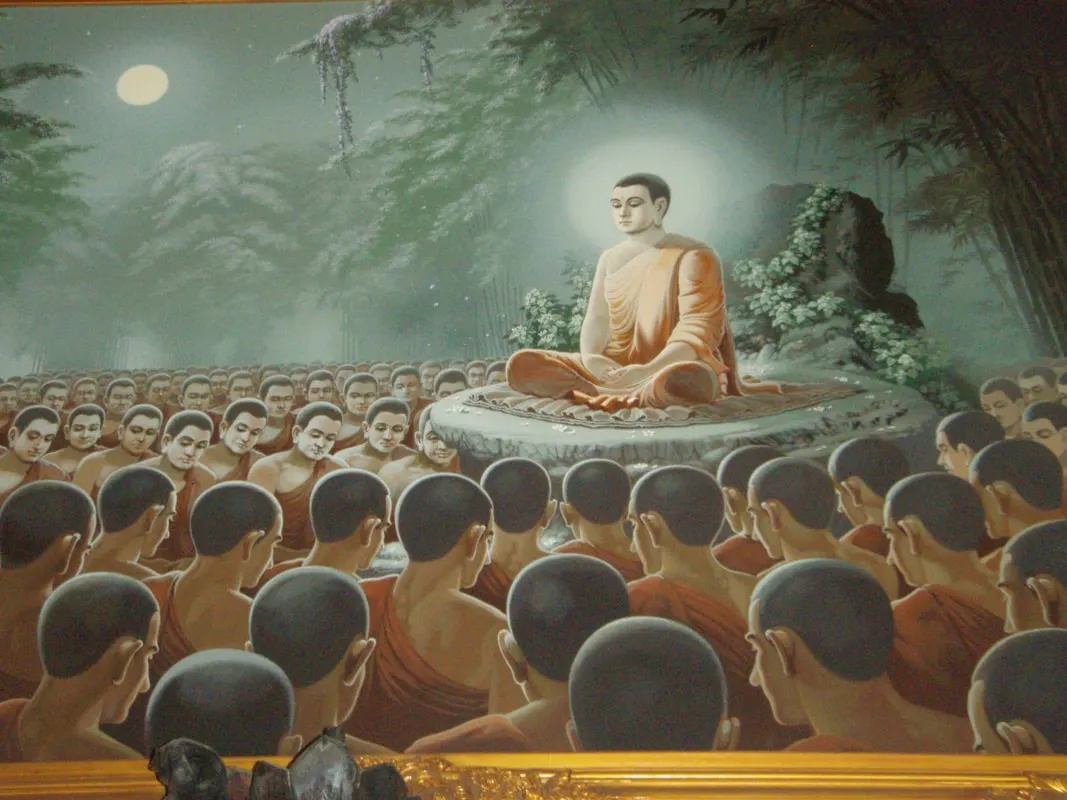
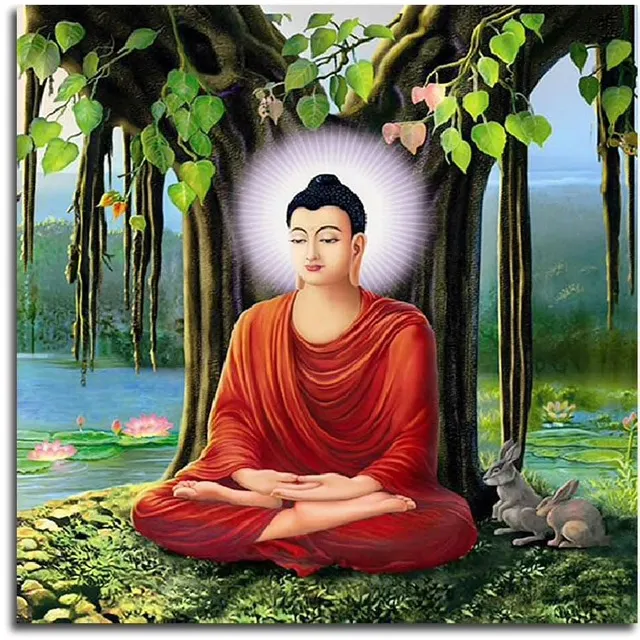
The word Buddha means “awakened one.” Not chosen, not born divine,awakened. That’s an important distinction.
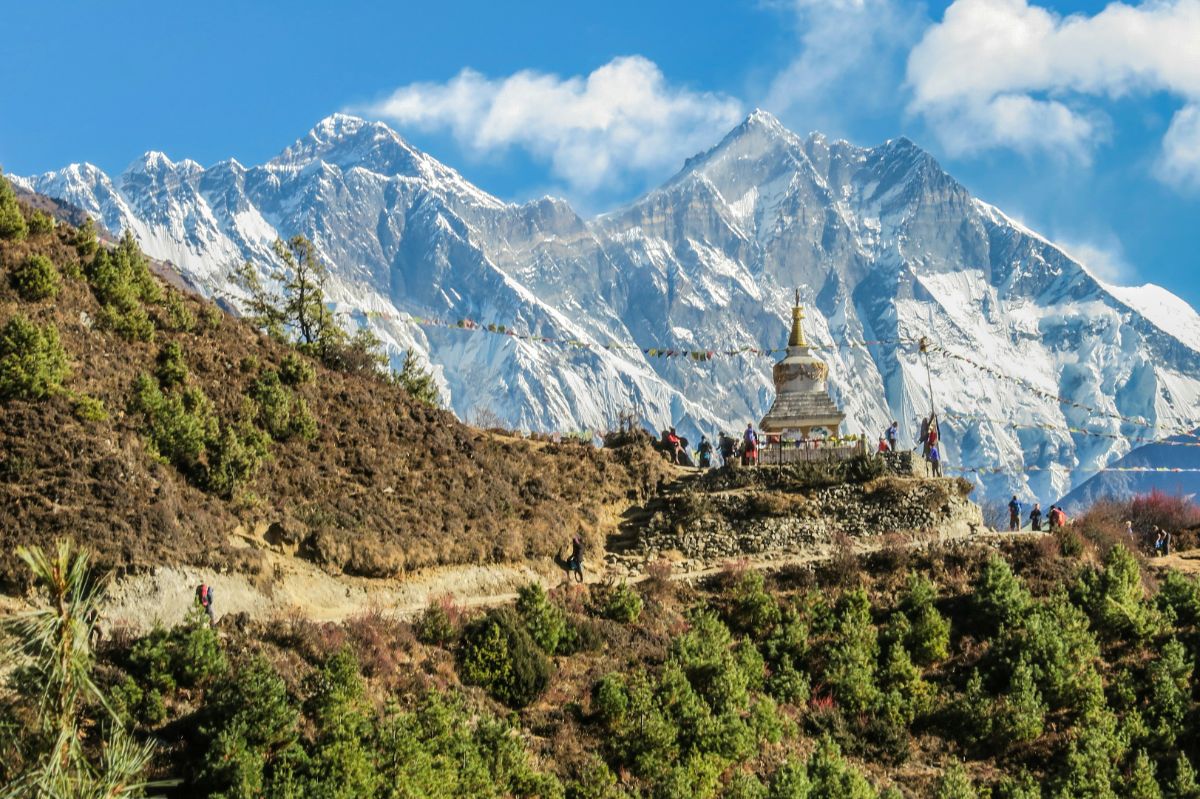
Siddhartha Gautama, the historical Buddha, was a seeker like many of us. He lived in what is now Nepal and northern India more than 2,500 years ago. Disturbed by the realities of aging, sickness, and death, he walked away from a life of wealth to search for the root of human suffering.
What he found was not a dogma, but a path. A way of seeing life clearly. A way of being present with pain, desire, joy, and impermanence without clinging. What he taught wasn’t about worship,it was about waking up.
In Buddhist countries today, people still say they are “walking the path of the Buddha,” not because he is a distant icon, but because his footsteps still ring true. Learn more about the life and meaning of the Buddha from this contextual biography by Britannica.
What Is an Arhat?
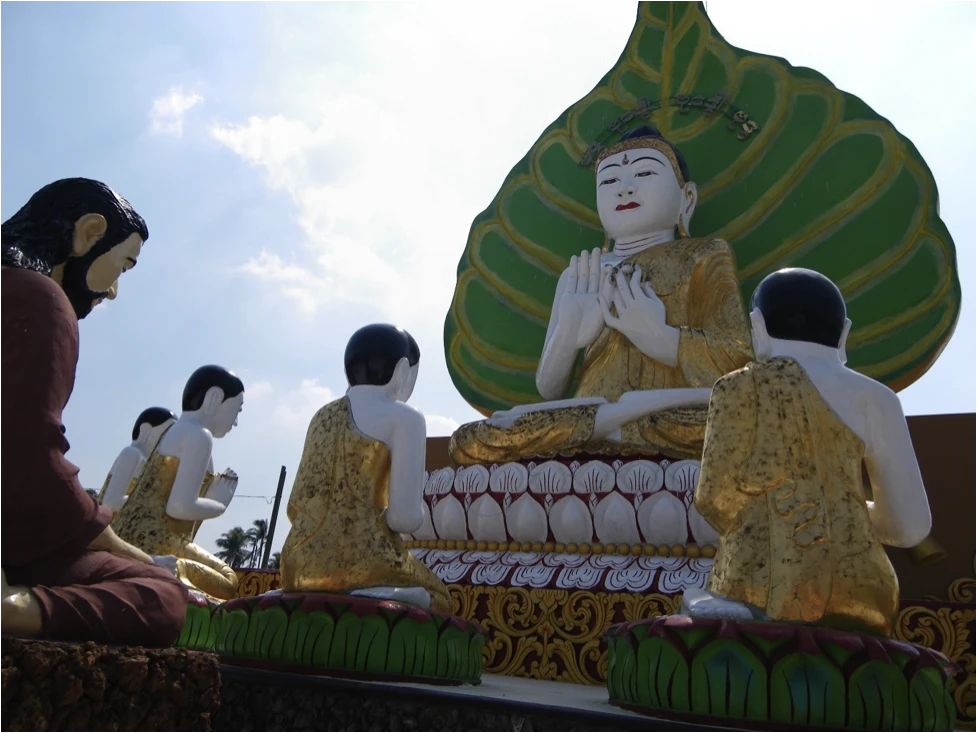
In the Theravāda tradition, especially in Southeast Asia, the goal of practice is to become an Arhat,a fully liberated being.
An Arhat has seen through the illusion of ego, has let go of all grasping and aversion, and no longer returns to the cycle of rebirth. They live with a deep steadiness, free from mental defilements.
The word Arhat is sometimes translated as “worthy one.” Not in the sense of achievement, but in the sense of profound humility,they are worthy because they have ceased to harm, to grasp, to cling.
You won’t find Arhats on Instagram. But in monasteries across Myanmar and Sri Lanka, their quiet presence lives in the teachings, in the silence, and in the way young monks bow as they pass a senior.
Bodhisattva: The Compassionate Return
In Mahāyāna Buddhism, particularly in Tibet, China, and Japan, the ideal shifts. Rather than seeking one’s own liberation, the Bodhisattva takes a vow:
“I will not cross the threshold of final Nirvana until all beings are free.”
The Bodhisattva has the wisdom to leave, but the heart to stay. They return to the world, again and again, as teachers, healers, artists, protectors. Avalokiteśvara, the Bodhisattva of Compassion, is perhaps the most widely loved. In Nepal and Tibet, he appears as Chenrezig. In Japan, as Kannon. In China, as Guanyin.
This ideal is not for the proud. It’s for the broken-hearted. The ones who feel the world’s pain and choose to serve anyway.
Learn more about these paths from Access to Insight’s guide to Buddhist practice, including Arhats and Bodhisattvas.
Crossword to Contemplation: A Sacred Shift
It’s funny how something as simple as a crossword clue can open a door.
Maybe you were just filling out your morning puzzle. But now you’re reading about compassion, awakening, liberation. That’s no accident.
In Buddhism, we often speak of seeds. The right word at the right moment can be a seed that blooms years later.
Maybe Buddha is just your six-letter answer today. Or maybe it’s the start of a question that stays with you.
A Place to Reflect on These Words with Your Whole Being
Just a few steps from Boudhanath Stupa, in Kathmandu, the air itself seems to chant. Monks walk quietly at dawn. Pilgrims spin prayer wheels with weathered hands. And the question of what it means to be “enlightened” doesn’t feel academic,it feels alive.
If you find yourself drawn to this question, you’re not alone.
At Boudha Mandala Hotel, we host guests who come not to escape life, but to understand it more deeply. Some are on pilgrimage. Some are artists or thinkers. Some come with grief. Some with curiosity. But all are welcome.
If you’re seeking a peaceful hotel near Boudha, a place where spiritual words are more than crossword clues,this is where your journey deepens.
FAQs
Q1: Is “Buddha” the most common crossword answer?
A: Yes, especially in six-letter formats. It’s the most direct reference to an enlightened Buddhist figure.
Q2: What’s the difference between Arhat and Bodhisattva?
A: An Arhat seeks personal liberation; a Bodhisattva chooses to delay final Nirvana to help others.
Q3: Are these terms still used in modern Buddhism?
A: Absolutely. They remain central to both monastic and lay practice, especially in Southeast and East Asian traditions.
Q4: Why would a crossword include these terms?
A: They’re part of world religion literacy and increasingly common in modern spiritual discourse.
Q5: Can solving a puzzle be a spiritual act?
A: Sometimes. Any moment of curiosity, when met with presence and openness, becomes a doorway.