Where to Eat in Boudha: Best Restaurants and Cafes Near the Stupa

There’s something sacred about eating in Boudha. Maybe it’s the scent of juniper in the air, the sound of soft mantras drifting from a nearby gompa, or the way time seems to slow down when you’re just a few steps from the great stupa.

Food here isn’t just about filling your belly. It’s about nourishment, presence, and quiet moments in between your journey.

Whether you’re looking for a rooftop cafe to watch the stupa glow at dusk or a hidden garden for morning chai, Boudha welcomes you with meals that feel soulful, not rushed.

What Makes Boudha’s Food Scene Special

Unlike other parts of Kathmandu that cater to fast-moving tourists, Boudha’s cafes and restaurants reflect the rhythm of spiritual life. Here, you’ll find monks sipping tea beside digital nomads with laptops, and long-stay pilgrims sharing vegetarian thalis after a morning of kora.

Many places prioritize clean, mindful eating. Vegetarian and vegan options are abundant. And because of the Tibetan influence, meals are often warm, simple, and made to be savored slowly.

Best Cafes in Boudha for Quiet Moments and Good Coffee

If you’re the kind of traveler who loves writing in a journal over a pot of tea or watching the sky change colors with your espresso, Boudha has the perfect cafe for you.

Boudha Cafe De Mandala: 10 Seconds from the Stupa

This is where guests of Boudha Mandala Hotel and mindful wanderers start their mornings.

Boudha Cafe De Mandala sits quietly just off the stupa’s circle. With its rooftop view, peaceful indoor seating, and a menu that blends local and Western comfort food, it’s the kind of place where you linger without meaning to.

Expect:
• Organic breakfasts with eggs, porridge, or muesli.
• Organic teas and French press coffee.
• Light lunches with fresh greens, momos, and seasonal specials.

The vibe is retreat-like. Monks sometimes pass by below. Writers sip slowly. The staff greet you like an old friend.

Good to know
Free Wi-Fi, long-stay friendly, vegetarian options, and open early for pre-kora tea.

Garden Kitchen Cafe
Tucked near the stupa, this rooftop cafe offers a stunning view of the dome. It’s peaceful, great for digital nomads, and known for its warm banana bread and strong coffee.

Utpala Cafe
Located inside a nunnery compound, this all-vegetarian cafe is a hidden sanctuary. The food is light, affordable, and aligned with Buddhist values. Try the thukpa or the fresh salads.

Roadhouse Cafe Boudha
If you’re missing something a bit more Western, Roadhouse delivers. Their wood-fired pizzas and spacious terrace are perfect for late afternoon meals or group meetups.

Where to Eat for a More Traditional, Heartfelt Meal

After a long walk around the stupa or a morning of meditation, nothing hits like a hot plate of Tibetan food.

Double Dorje Restaurant

Simple seating, rich flavors. Their Tibetan thali includes tingmo bread, dhal, and curried vegetables. Don’t miss the butter tea and hand-folded momos.

Flavors Restaurant

A no-fuss favorite for locals and expats alike. Their rice and curry sets are satisfying, and the quiet atmosphere makes it ideal for slow, mindful eating.

Norling Restaurant
Known for its wholesome soups and stir-fried noodles. Their portions are generous, the prices fair, and the setting calm.

Hidden Gems for eating and reflecting

Sometimes, the best meals aren’t found on a map. They’re discovered while wandering a narrow alley or following the scent of freshly steamed dumplings.

Lhasa Momo
You’ll find it if you follow the locals. Soft, juicy momos with tangy achar in a tiny upstairs room. No frills, just good food and warm energy.

Ananda Treehouse Cafe
A bit off the main road, this garden cafe feels like a retreat within a retreat. Wooden seating, birdsong, and a menu of smoothies and herbal teas.

Stupa View Cafe
Yes, it’s popular. But for good reason. Order a masala tea at sunset and watch the sky blush over the stupa. Worth every rupee.

Eating Respectfully in a Sacred Space

Boudha is home to spiritual practitioners, monks, and retreat centers. Many of the restaurants and cafes are directly connected to these communities. As a visitor, a few quiet gestures of respect go a long way.

• Take off your shoes if eating at a monastery-run cafe
• Avoid loud conversations, especially near shrines or puja halls
• Dress modestly, covering shoulders and knees where possible
• Ask before photographing meals or spaces that feel sacred
• If a place is vegetarian only, honor that choice even if you’re not

Being mindful isn’t just about what’s on your plate, but how you move through the space where you eat.

Staying Nearby Makes Every Meal More Meaningful

One of the best ways to truly enjoy Boudha’s food culture is to stay close. When you’re just steps from the stupa, you don’t need to rush meals or plan your day around long commutes.

Boudha Mandala Hotel offers just that. With its stupa-view rooms and peaceful cafe, you can start your day with a quiet breakfast of oats, fruit, and chai, then return at dusk for lentil soup and herbal tea under prayer flags.

Many long-stay guests say they find their favorite cafes by simply walking, wandering, and letting the energy of the stupa guide them.

A Meal with Meaning
In Boudha, eating is an extension of your presence. Whether you’re sitting on a rooftop watching the sky turn gold or quietly sipping soup in a courtyard surrounded by prayer wheels, food becomes a form of connection.

You’ll remember the meals not just for the taste, but for the stillness you felt between bites.

If you’re looking for somewhere peaceful, nourishing, and deeply rooted in spirit, Boudha is waiting.

And if you want to stay where meals and moments come together effortlessly, Boudha Mandala Hotel is just ten seconds from the stupa gate, and a world away from the noise.

Boudhanath Neighborhood Guide 2026: Stay in Boudha

How Do You Plan the Perfect Stay in Boudhanath, Kathmandu?

You open the hotel door and the stupa is already there so close you don’t need to search for it. On some mornings, a thin veil of mist rests on the white dome like a shawl. On others, the sky is a clean winter blue and prayer flags look almost electric against it. Either way, you’re not commuting into Boudha. You’re waking up inside it.

A quiet, culturally rooted stay just a 10-second walk from Boudhanath Stupa, held for those walking the path of practice, presence, and inner peace.

It is the functional advantage of staying at Boudha Mandala Hotel. It changes how your day operates. You can join the early kora without timing taxis. You can step back into stillness when the plaza swells at midday. You can return for a butter-lamp hour at dusk like it’s part of your home routine, not a scheduled attraction.

Why Boudha Mandala Hotel is the right place to stay in Boudha

Many hotels sit “near” the stupa. Boudha Mandala Hotel is placed and programmed for it. That distinction matters in Boudha, because the stupa is not a once-a-day stop; it is a recurring axis that shapes how you move through your hours.

You are inside the ritual radius

A neighborhood built around devotion runs on repetition. You don’t do a single circuit and tick a box. You circle at sunrise, drift back again at dusk, and sometimes return at night just to see the lamps shimmer in quiet. Being a 10-second walk away makes those returns effortless.

You get stillness without being removed

This is the balance travelers actually need. Boudha is active, and you want that energy. But you also need a room that does not feel like the plaza continues through the wall. The hotel gives you that clean boundary: full access outside, real quiet inside.

Your base includes cultural engagement

Boudha Mandala Hotel is not only a bed. It is a curated access point to meaningful experiences, wellness programs, small social gatherings, and Thangka painting so your stay becomes participatory rather than purely observational.

If you’re evaluating where to stay in Boudhanath Kathmandu, this is what completion looks like: proximity, quiet, and cultural structure in one place.

Boudhanath in 2026: what kind of neighborhood you’re entering

Boudhanath is a living spiritual district. That phrase is easy to say and easy to underestimate. What it means in practice is that the stupa is not a monument sitting apart from life; it is the neighborhood’s heartbeat. People don’t visit it for an hour. They build their day around it.

In 2026, Boudha will remain one of Kathmandu’s most coherent and walkable areas for travelers who want a peaceful spiritual stay in Kathmandu. The plaza is still pedestrian-centered. The backstreets stay dense with monasteries, artisan workshops, and Tibetan cafés.

Lonely Planet continues to recommend Boudhanath for its pilgrimage atmosphere and the way koras at dawn and dusk pull you into the neighborhood’s tide.

Boudhanath Stupa entrance fee and timings 2026

This is the operational layer you will use on day one.

Entrance fees

Foreign nationals: NPR 400
SAARC nationals: NPR 100
Nepali citizens and children under 10: Free

Timings

Visitor access commonly runs about 6:00 AM to 10:00 PM. Devotional movement begins before that and continues later into evening in a softer way. Sunrise and dusk are the best windows for meaning and atmosphere.

Etiquette that keeps you aligned

• Walk clockwise. If you forget once, you’ll feel it immediately because everyone else flows the other way.
• Avoid blocking the path when prayer groups are moving.
• Ask before photographing monks or close ritual moments.
• Step around, not through, offerings.

It’s simple: be attentive. The neighborhood does the rest.

Weather, seasons, and the best months to plan around

Boudha’s mood changes with air and light. Your perfect stay is partly a weather decision.

Best seasons for a 2026 visit

• October to November (autumn): Clear skies, crisp mornings, golden light. This is peak view season for rooftops and photography.
• February to April (spring): Warmer walking weather, consistent mornings, slightly lighter crowds than autumn.
• June to September (monsoon): Mist, dramatic clouds, fewer tourists. The stupa appears and disappears behind rain curtains. It’s atmospheric if you like it, slippery if you don’t.
• December to January (winter): Cold dawns (sometimes 3 to 10°C), clean air, quiet rings early on. The whole neighborhood feels slower and more inward.

Daily patterns you can rely on

Early morning: Cool, devotional, gentle.
Midday: Bright, busy, best for cafés or indoor monastery halls.
Dusk: The most charged time golden hour, lamps, chanting.
Night: Calmer plaza, thinner crowds, a quieter kind of beauty.

Because you’re staying at Boudha Mandala Hotel, you can match these patterns precisely without logistics friction.

How Boudha is laid out (a mandala, not a grid)

Boudha is easiest to navigate when you stop thinking like a driver and start thinking like a pilgrim.

Inner ritual ring (0 to 3 minutes)

This is the stupa kora path: prayer wheels, butter-lamp altars, clockwise flow. Every day begins and ends here.

Monastery belt (3 to 12 minutes)

Step outward and you enter lanes full of gompas and monastic schools. This belt exists because Boudha became the center of Kathmandu’s Tibetan Buddhist community after waves of settlement in the 20th century.

Rooftop belt (above and facing the dome)

Vertical space matters here. Rooftops provide uninterrupted stupa views and a calm place to sit in the two best windows of light: morning and late afternoon.

Market and local lanes (outer streets)

Craft studios, thanka workshops, Tibetan grocery corners, momo kitchens. The neighborhood runs normally even while devotion runs continually beside it.
Once you understand these layers, you don’t need a map. You just decide which layer you want to be in at each hour.

For a deeper sense of how walking reveals Kathmandu’s true texture, our in-house piece Walking in Kathmandu is worth reading before you arrive.

The perfect Boudhanath Stupa area itinerary (1, 2, or 3 days)

Your Boudhanath Stupa area itinerary should feel like a loop, not a line. Here are three designs that work without rushing.

Option A: One-day Boudha stay (short but complete)

5:30 to 7:30 AM, Sunrise kora + tea: You step out into cool air. Prayer flags shift above narrow alleys. Shop shutters open slowly. You join the clockwise current for your first Boudhanath kora sunrise experience. Wheels click softly under hands that have spun them for decades.
After one slow circuit, you take tea. A plain chai costs around NPR 50 to 80. If it’s winter, that first warm cup feels like a reset button.

8:00 to 11:00 AM One monastery, well-visited: Pick a single monastery and stay long enough to understand its rhythm. You listen more than you move.

11:30 to 3:00 PM, Craft lanes + rooftop lunch: Walk the artisan streets. Watch painters in open studios. Compare prices for bowls or beads across two or three shops. Then take lunch on a rooftop with stupa view.

4:30 to 8:00 PM, Golden hour + lamps + return: Come back to the ring for light. The dome turns warm, then pale, then softly lit by hundreds of lamps. You do a final short circuit and return to the hotel in minutes.
This day gives you devotion, culture, and rest without squeezing any of them.

Option B: Two-day stay (the best plan for first-timers)

Day 1: Arrival and orientation

• Check in at Boudha Mandala Hotel.
• Walk the ring at sunset.
• Dinner at a rooftop restaurant facing the stupa.
• Sleep early.

Day 2: Immersion and participation

• Sunrise kora (2 to 3 rounds if your body agrees).Breakfast.
• Two monasteries maximum, in different lanes.
• Mid-afternoon rest or wellness time at the hotel.
• Dusk lamps + last circuit.

Two days lets you experience Boudha as a rhythm rather than a visit.

If you want a gentle landing to Nepal before any trekking or longer routes, read Start Your Nepal Trip Gently it mirrors this two-day Boudha approach.

Option C: Three-day stay (for slow travelers and practitioners)

Day 1: ring life + rooftops
Day 2: monasteries + artisan lanes + Thangka class
Day 3: wider neighborhood walks + longer sitting time + sunset immersion

A third day gives you something subtle: familiarity. The plaza becomes less “spectacular” and more “yours.”

Sunrise kora: how your morning really unfolds

Sunrise in Boudha is not about taking a perfect photo. It is about how your nervous system changes when you walk in a calm devotional current.

You notice micro-things: roosters in back lanes crowing just before 6 AM, a monk laughing quietly as he adjusts his shawl, the small clatter of prayer wheels syncing with footfall. You walk clockwise. You keep pace with the elders. You don’t stop abruptly in the middle of the flow.

At this hour, Boudha feels like a village inside a capital. Your morning is held by repetition, not noise.

For context on how Buddhist and Hindu devotion braid together in everyday Nepal (including the Kathmandu Valley), our story Nepal’s Mix of Hindu and Buddhist Traditions expands the cultural background you’re seeing around the ring.

Tibetan monasteries in Boudha: visiting with depth

There are many Tibetan monasteries in Boudha. The mistake is trying to stack them. A monastery is not a widget; it’s a living house of practice.

A better method:

• Choose one major monastery where public prayer halls are broad and visitor access is natural.
• Choose one smaller gompa in the side lanes, often quieter and more intimate.
• Spend time in each. Sit if allowed. Observe before moving.

Some halls carry low horns in the morning. Others are so still you hear beads sliding through fingers. Either way, moving slowly is how you receive more.

Food and rooftops: where to eat and why timing matters

Boudha doesn’t rush meals, and neither should you.

Rooftops with stupa views

These are integral to the neighborhood experience. Morning rooftops feel like quiet observatories. Evening rooftops feel like front-row seats to a devotional theater of light.
Weather makes them even better. In autumn, light is sharp and clear. In monsoon, clouds swallow the dome, then release it again like a slow curtain. That shifting visibility is part of why Boudha Kathmandu rooftop restaurants remain a core recommendation.

Local plates worth making space for

• Momos: modest, filling, often NPR 180to350 depending on style and size.
• Thukpa: noodle soup that lands perfectly after cold sunrise koras.
• Tingmo + curry: soft Tibetan bread that turns lunch into a pause.

Let food be a break you respect. It’s how the neighborhood breathes.

Walkable places in Boudha Kathmandu beyond the stupa ring

The ring is the heart. The lanes are the body.

When the plaza is busiest mid-day, walk outward:

• Artisan streets: thangka painters working in daylight studios.
• Small courtyards: quiet shrines, benches, children practicing bicycle turns.
• Market lanes: incense, prayer beads, Tibetan groceries, routine life.

These walkable places in Boudha Kathmandu are where you understand what makes the neighborhood sustainable, not just sacred.

Boudha Mandala Hotel experiences that complete your stay

Boudha gives you culture. Boudha Mandala Hotel gives you structured ways to enter it.

Wellness programs

Your trip improves when your body is regulated. The hotel’s wellness offerings are oriented around presence, rest, and gentle practice ideal between koras and monastery visits.

Use them when:

• Kathmandu feels loud and your system wants quiet.
• You want your itinerary to be restorative, not extractive.
• You are traveling as a practitioner or a mindful explorer.

Social events

These social gatherings match Boudha’s frequency: calm, conversational, and naturally community-building. You meet people who are here for meaning, not noise.

Thangka Class: Paint with Presence

This is a standout experience for 2026 travelers.

You join a traditional Thangka class guided by local artists trained in sacred geometry and symbolism. You don’t need skill. You need patience.

What happens:

• You learn the spiritual meaning behind each brushstroke.
• You practice mindfulness through sacred art.
• You create a small piece to take home or offer.

Ask at the front desk to reserve. This experience shifts you from spectator to participant in Boudha’s visual language.

Who you meet here: the hotel’s traveler community

Boudha Mandala Hotel draws a specific kind of guest, and that shapes your stay.

Spiritual Travelers & Practitioners

• Buddhists on pilgrimage or retreat
• Monks, nuns, and teachers from surrounding monasteries
• Yoga teachers and spiritual seekers

Digital Nomads & Remote Workers

• NGO workers and social entrepreneurs
• Writers, artists, and creative professionals
• Early retirees seeking meaningful experience

Cultural Explorers & Mindful Adventurers

• Solo travelers who value quiet and presence
• Visitors curious about sacred traditions
• People looking for belonging, not just a landmark list

This community keeps the hotel calm, purposeful, and aligned with the neighborhood outside.

Budget, packing, and small local-useful tips

• Carry cash for small moments. Ticket booths, lamps, snacks remain cash-first.
• Layer your clothing. Cold dawns, warm midday sun, cool evenings.
• Don’t over-schedule. The best Boudha days include rest.
• Shop slow and compare. Two or three shops before buying a bowl or thanka is expected.
• Use the hotel as your reset point. Your ideal day shape is a circle: ring → rest → ring again.

Conclusion

Plan your Boudha stay around the stupa’s rhythm, not a checklist. When you base yourself at Boudha Mandala Hotel, everything becomes simple and walkable: sunrise kora while the ring is quiet, a slow breakfast and reset back at the hotel, one or two monasteries visited with real attention, rooftop cafés in the bright hours, and a calm mid-afternoon pause, wellness, rest, or a focused work block before returning for golden hour and butter-lamp dusk. This circular pacing is what makes Boudhanath feel coherent, restorative, and genuinely cultural in 2026.

Stay close, move clockwise, choose depth over speed, and let Boudha Mandala Hotel support the quiet between your koras.

FAQs

What is the best way to plan a stay in Boudhanath for 2026?

Follow this Boudhanath neighborhood guide 2026 rhythm: stay near the stupa ring, do sunrise and dusk koras, visit no more than two monasteries per day, and keep midday for cafés, walking lanes, or hotel wellness time.

Where should first-time travelers stay in Boudhanath Kathmandu?

Stay within a short walk of the stupa so you can join koras without transport stress. If your goal is a best hotel near Boudhanath Stupa that supports quiet and practice-friendly routines, Boudha Mandala Hotel is built for it.

What is the Boudhanath Stupa entrance fee and timings 2026?

Foreign nationals pay NPR 400, SAARC nationals NPR 100, and Nepalese are free. Visitor access is generally about 6:00 AM to 10:00 PM, with the most meaningful atmosphere at sunrise and dusk.

How many days are enough for a perfect Boudha stay?

Two days is ideal for first-timers. One day works for short layovers. Three days suits slow travelers and practitioners who want deeper immersion.

What are the best things to do around Boudhanath Stupa?

Do sunrise and evening koras, explore monasteries, walk artisan lanes, eat at rooftops facing the stupa, join butter-lamp offerings, and take a Thangka class for hands-on cultural depth.

Are Tibetan monasteries in Boudha open to tourists?

Yes, many are open outside prayer peaks. Dress modestly, keep voices low, follow clockwise flow near the ring, and ask before photographing rituals.

Why should visitors stay at Boudha Mandala Hotel?

Because the hotel gives you full access to the stupa’s daily rhythm with real quiet to return to, plus structured cultural and wellness experiences that deepen your stay rather than diluting it.

If you want your Boudha days to feel this seamless kora at dawn, rest at noon, lamps at duskbook your stay directly with Boudha Mandala Hotel:

What Do Reviews say about Boudha Mandala Hotel?

Key Takeaways
• Guests love the quiet location just a short walk from Boudhanath Stupa, close enough for dawn and dusk koras, calm enough for good sleep.

• Reviews highlight kind, attentive staff and a home-like welcome, from help during tough moments to thoughtful upgrades.

• Many rooms are spacious and clean, some with balconies and stupa views, which guests call unforgettable.

• Long-stay travelers appreciate practical comforts, including kitchenettes, reliable Wi-Fi, and complimentary laundry.

• Cafe de Mandala and easy access to local cafés and monasteries make slow mornings and reflective evenings part of daily life.

• Independent ratings on platforms like Tripadvisor and Booking.com consistently mention peace, location, and staff warmth.

Why listen to the reviews at all

Before you compare room sizes and rate cards, it helps to hear from travelers who have already slept here, prayed here, and watched the stupa glow at sunrise. We read through dozens of recent notes from Google, TripAdvisor, and Booking.com. Together they trace a clear picture, a small hotel that takes hospitality personally, a location that feels close to the sacred rhythm, and a stay that slows the heart.

If you want mornings that begin with soft chants and evening light on the dome, our peaceful hotel near Boudha steps away from the circle, close enough to feel the kora, quiet enough to rest well.

What guests say about the location and quiet

Again and again, guests talk about how easy it is to reach the stupa on foot, and how calm the nights are. One guest wrote that the hotel is “just a short walk to Boudhanath Stupa,” which made morning and evening koras feel natural, not rushed. Another called the apartment view “fantastic,” a line you can almost hear as you picture the early light over prayer flags.

Several reviewers notice a detail we value, near but not too near. Close enough for the bells and the turning wheels, far enough to avoid the late night noise that can echo on the inner circle. For many, that balance is the difference between a good trip and a restorative one.

If you are new to this ritual, you can learn how to walk the kora with respect. Dawn is best, when the air is cool, the alleyways are blue with shadow, and the circle moves like one quiet breath.

Hospitality that feels human

In the reviews, the word that repeats is kindness. A guest from Japan describes staff who were “very friendly,” a simple sentence that carries weight after a long flight and a first night in a new city. Another guest stayed for a month during monsoon and said the team helped her find a more affordable room for the remaining weeks, then welcomed her like family each time she returned.

You will also see the owner’s name in replies. Mark answers with gratitude and small details from the day, an honest note that reminds you the staff know their guests by face and story, not just by room number. That tone shows up in the lobby too, a place where a latte in the morning can become a quiet conversation about where to meditate or which monastery is holding evening puja.

If you want that kind of welcome on your next trip, you can book directly. We keep it simple, and we keep it warm.

Rooms, views, and the feel of the space

Guests describe rooms that are clean, spacious, and restful, with sunlight in the mornings and soft lamps in the evenings. Many mention balconies or windows that frame the white dome, a sight that makes breakfast taste different and evenings slower. One reviewer wrote that the stupa view was “truly unforgettable,” another called the mornings on the rooftop “magical.”

For travelers planning longer stays, practical comforts matter. Several reviews point to kitchenettes, strong Wi-Fi, and complimentary laundry as small things that change a month into a manageable rhythm. A guest who stayed for three months called the hotel quiet and peaceful, the kind of steadiness you need when you are working by day and studying or meditating in the evenings.

You can explore rooms designed for presence, not distraction. Some are simple and bright, some have balconies that catch the early sun, all are set up for rest.

Boudha Cafe de Mandala and nearby cafes

Many reviews mention Boudha Cafe de Mandala for fresh breakfast and a relaxed mood, especially on weekends when live music gives the space a gentle lift. Outside the door, the alleys lead to family kitchens, Tibetan bakeries, and modern coffee bars. It is easy to keep your days simple here, café for an hour, kora for a few circles, a visit to the thangka ateliers, then back to rest.

If you want to plan your first morning well, learn the best time to visit Boudhanath. Dawn gives you the light and the quiet, evening gives you the lamps and the low chant that sits in the chest.

A home for long stays, studies, and work

Boudha draws people who need time, students heading to Kopan for teachings, artists searching for stillness, NGO staff who need a steady base, and remote workers who want reliable internet and a walkable neighborhood.

Reviews from long-stay guests highlight the same three threads, fair pricing for extended stays, staff who make adjustments when life changes, and a space that keeps its calm even when the city is noisy.

When guests write that they will return, it is usually for these reasons, not only the location, but the way the days feel. Quiet mornings, respectful service, and a view that keeps the purpose of travel in sight.

What independent platforms highlight

It helps to check what the wider world says too. On Tripadvisor, recent notes describe the hotel as peaceful and well located, with friendly staff and good value for a quiet stay near the stupa. On Booking.com, travelers use words like quiet, friendly, comfortable, and superb location, and several highlight stupa views from balconies or the upper floors.

These summaries matter because they are written by guests from many countries and travel styles, solo, couple, family, student. Different voices, same pattern, kindness, cleanliness, and calm.

Planning your stay in Boudha

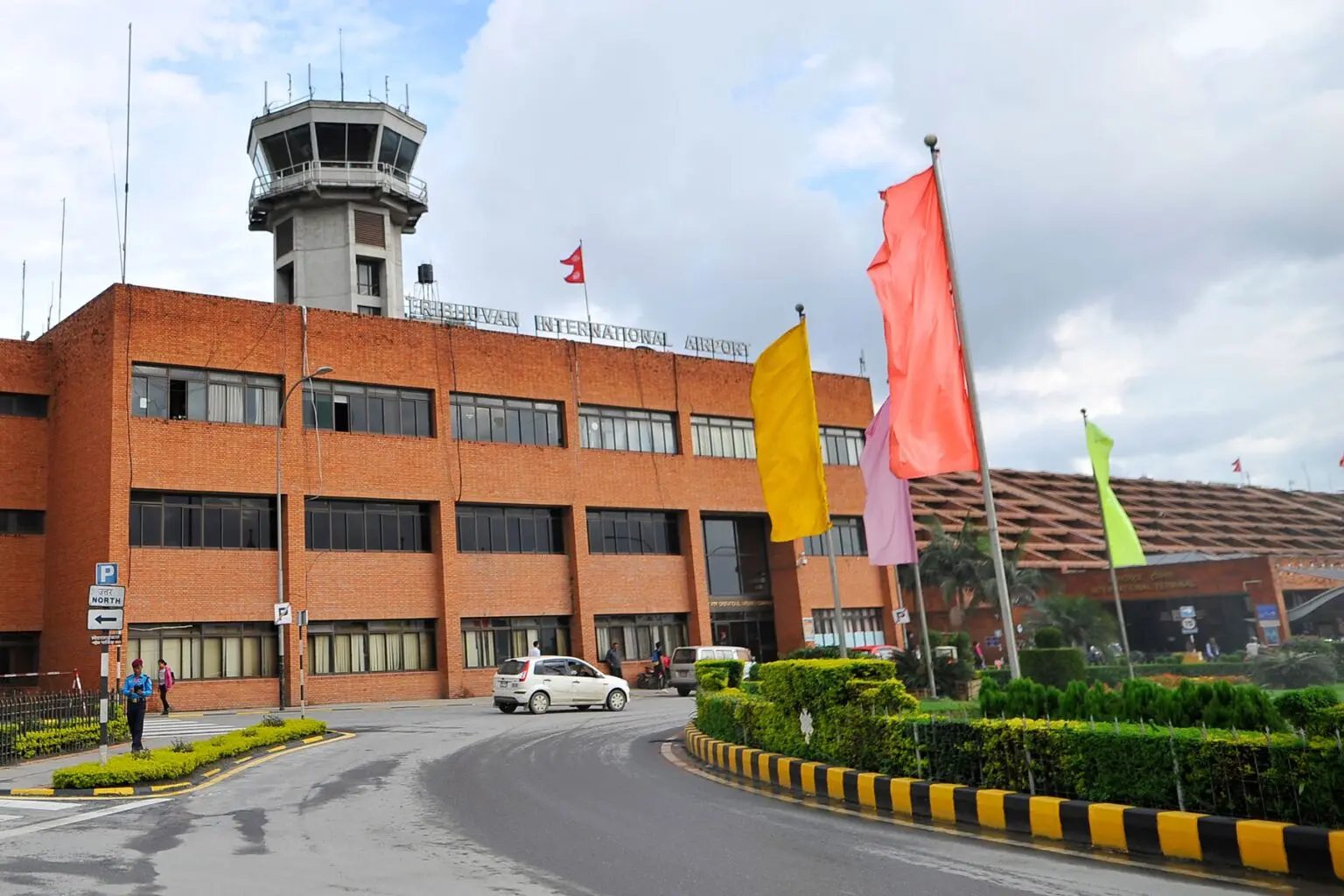
Most guests arrive from Tribhuvan International Airport in about twenty minutes, traffic willing. The walk to the stupa takes just a couple of minutes, easy at dawn when the streets are soft and the bakeries open. Monasteries are close, cafés are many, and shops stay open late enough for a last circle after dinner.

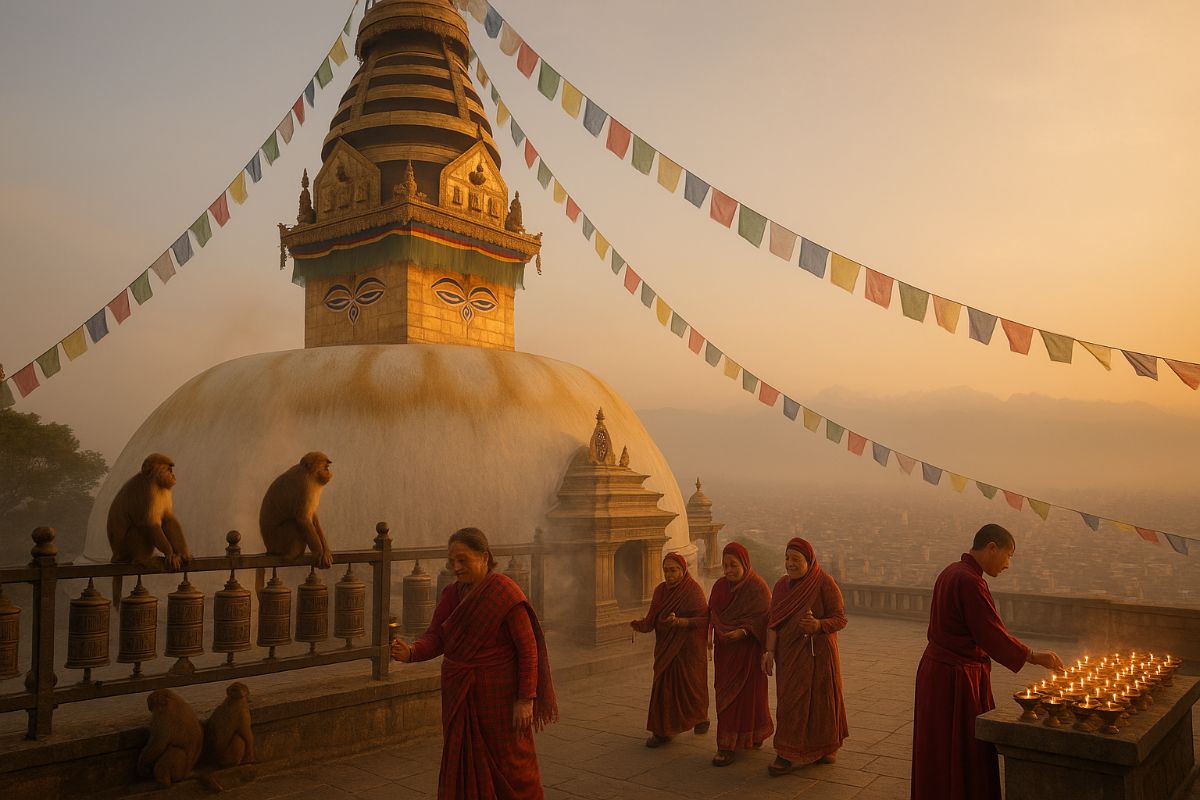
If you want to build a simple day, try this, a slow breakfast, a visit to the art schools, a pause in the garden, then evening kora when the lamps come on. If you are exploring the city, Thamel is around thirty minutes by taxi, and Swayambhunath sits high over the valley, best in the late afternoon when the monkeys are sleepy and the light is long. When you want a day of stillness, remain in the circle and let the rhythm do its work.

You can also discover our local experiences. We keep things close to the ground, simple food, gentle music on weekends, and guidance when you need it.

What the replies reveal

It is easy to scan review scores and miss the conversation beneath. Read the owner’s replies and you will notice something steady, a thank you with specifics from the day, a promise to pass praise to staff by name, a note about ongoing renovations, an honest acknowledgment when something needs fixing. That tone spreads through the building because people work better when they know they are seen.

In time, the reviews become more than ratings. They become a small community of voices that care about the same things, clean rooms, soft mornings, kind service, and a roof that looks toward the stupa.

If you want to feel that for yourself, you can book your stay near the stupa. We will keep a room ready and the coffee warm.

A few guest moments that stayed with us

A traveler wrote that staff waited near the stupa to escort her down the lane because taxis stop before the inner circle. Another said that during a hard week, the team made space for quiet, then moved her to a balcony room so she could breathe easier. A guest who stayed for months said the laundry service and kitchen kept life simple enough to focus on study and practice.
Small gestures add up. In Boudha, they always have.

Practical notes for first-time visitors

Entry to the stupa for foreign visitors is paid at the gate, and the ticket is valid for the day. Dress with shoulders covered when you plan to enter monasteries. Walk clockwise on the kora, spin the wheels with the right hand, and keep your phone on silent in the evening when lamps are lit. If you need an early taxi, reception is twenty-four hours and can help at any time.

When you are ready to rest, sit by the window and watch the circle turn. It is enough.

Conclusion

When different travelers, from different countries and reasons for coming, describe the same feeling, you begin to trust the pattern. Reviews of Boudha Mandala Hotel keep pointing to the same three notes, quiet near the stupa, kindness that feels like family, and rooms that hold their calm. The rest is detail, light on a white dome, a bell at dawn, the soft thread of a mantra in the hall.

If you want your own version of that story, book directly with Boudha Mandala Hotel. We are just a few steps from the stupa, and we keep our welcome simple, sincere, and steady.

You can read recent notes on the Tripadvisor’s page for Boudha Mandala Hotel and the Booking. com review feed.

How to Prepare for Nepal’s Mountain While Staying in Kathmandu

Preparing for Nepal’s mountains feels exciting, but it can also feel heavy if you try to get everything done at once. Kathmandu gives you the space, shops, and atmosphere to prepare without stress. You don’t need to rush across the city. You just need a simple routine that helps your body and mind settle before you head into higher elevations. This guide shows how to prepare gently while enjoying the calm side of Kathmandu.

Why should travelers prepare for mountain trips while still in Kathmandu?

Travelers should prepare for mountain trips while still in Kathmandu because the city has everything you need, from gear to food to short warmup walks.

Once you leave the valley, shops get smaller, choices shrink, and certain essentials disappear.

Why Kathmandu preparation matters

• Reliable gear availability
• Good medical and pharmacy access
• Time to adjust to the air
• Warm-up walks without strain
• Space to rest before trekking begins

A prepared start makes mountain days smoother.

How can travelers adjust their bodies before heading into higher elevations?

Travelers can adjust their bodies before heading into higher elevations by spending a day or two walking, hydrating, and resting in Kathmandu.

Your body responds well to gentle movement before climbing higher.

Helpful adjustment habits

• Slow walks around calm neighborhoods
• Drinking enough water
• Light stretching
• Eating warm, simple meals
• Sleeping early

This gives your body a soft head start.

What kind of gear should travelers sort out in Kathmandu?

Travelers should sort out essential gear in Kathmandu because the city offers everything from technical clothing to simple accessories.

You can find high-quality pieces, budget options, and local brands that work well for mountain conditions.

Gear worth getting in Kathmandu

• Warm layers
• Gloves and hats
• Reusable water bottles
• Sunscreen
• Trekking poles

Shops in Thamel offer a wide selection for all budgets.

How can travelers test their walking rhythm before trekking?

Travelers can test their walking rhythm before trekking by taking easy walks in places that feel comfortable and quiet.

You don’t need a training hike. You just need to wake up your legs.

Simple warm-up routes

• A loop around Boudhanath Stupa
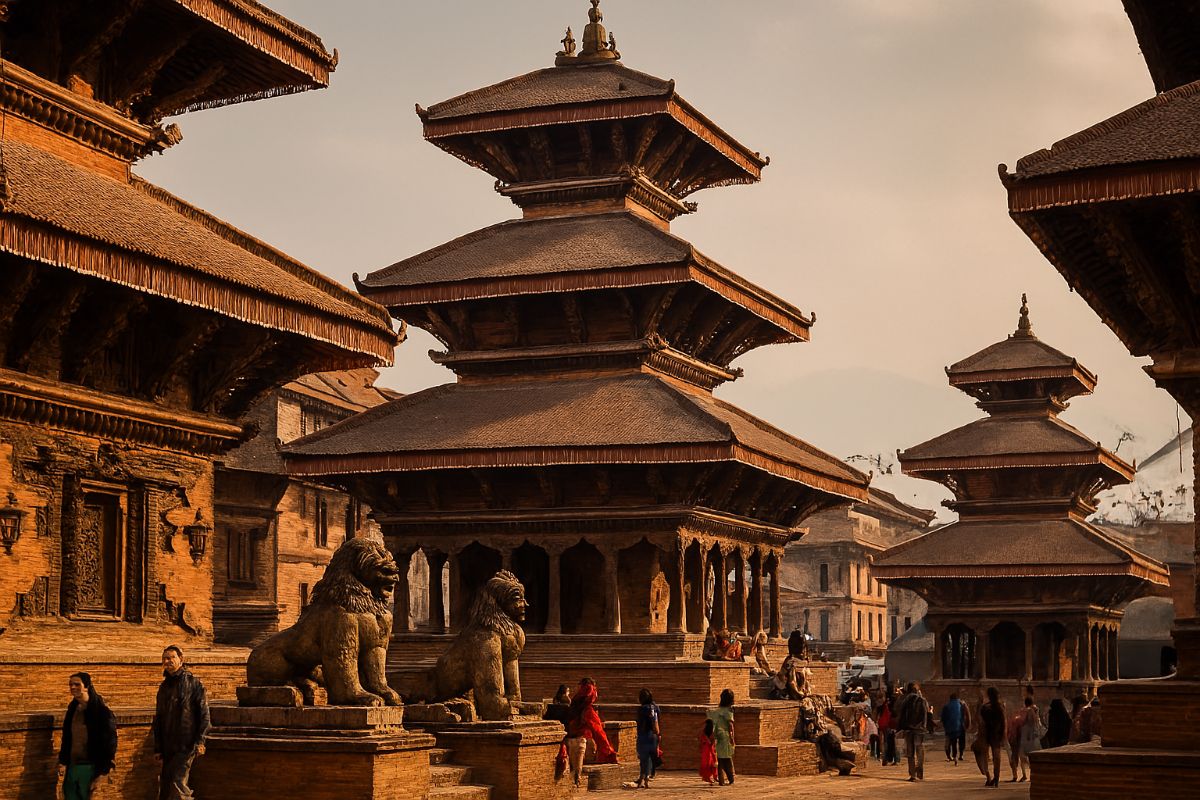
• Patan’s courtyards
• The outer lanes near Swayambhu
• Short stretches in Bhaktapur

Short, slow walks help you understand your pace.

What foods help travelers feel ready for the mountains?

Foods that help travelers feel ready for the mountains include warm, balanced meals that support hydration and energy.

Nepal has food that prepares you without making you feel heavy.

Useful pre-trek foods

• Lentil soup and rice
• Thukpa
• Vegetable soups
• Fresh bread
• Fruit and yogurt

Simple meals help your body stay steady.

How can travelers handle last-minute essentials before trekking?

Travelers can handle last-minute essentials before trekking by using Kathmandu’s convenience stores, pharmacies, and small outdoor shops.

These places help you cover forgotten items in minutes.

Common last-minute needs

• Extra batteries
• Pain relief patches
• Rehydration salts
• Lip balm
• Water purification tablets

Kathmandu makes these easy to find.

How can travelers prepare mentally for mountain days?

Travelers can prepare mentally for mountain days by slowing down, resting properly, and giving themselves space to adjust.

Your mind needs to be calm before long walks and changing weather.

Simple mental preparation

• Quiet moments around a stupa
• Soft morning walks
• Breathing slowly
• Setting gentle expectations
• Avoiding overplanning

A clear mind supports strong legs.

What should travelers avoid doing before a trek?

Travelers should avoid doing strenuous activities or eating heavy meals before a trek.

Trying to squeeze too much into your Kathmandu stay can drain your energy.

Things to avoid

• Long sightseeing days
• Spicy or heavy food
• Staying out late
• Carrying heavy bags
• Back-to-back errands

The goal is a calm start, not a tiring one.

Why is Boudha one of the best places to prepare for the mountains?

Boudha is one of the best places to prepare for the mountains because the neighborhood offers calm mornings, short walks, warm food, and peaceful evenings.

You adjust easily here.

What Boudha offers

• Soft walking routes
• Gentle atmosphere
• Good access to shops and cafés
• Easy taxi routes to trekking gateways
• Quiet nights for early sleep

It sets the right rhythm before your trip.

Why is Boudha Mandala Hotel a peaceful base for mountain preparation?

Boudha Mandala Hotel is a peaceful base for mountain preparation because it sits close to the stupa and offers a calm environment that supports rest and simple routines.

Travelers can ease into their trek without rushing.

Why it works well

• Steps from Boudha’s walking paths
• Quiet rooms for proper rest
• Nearby tea spots and warm meals
• Easy access to gear shops
• A gentle start before heading to the mountains

A calm beginning makes the mountain days smoother and more enjoyable.

Difference Between Hotel and Motel: What Fits Your Journey?

If you’re planning a trip to a meaningful place like Boudhanath in Kathmandu or anywhere that requires reflection, safety, and comfort, you’ve likely searched:

What’s the difference between a hotel and a motel?

Here’s the short answer:

Hotels are built for longer, more intentional stays. They offer indoor-access rooms, guest services like daily housekeeping, dining, and reception support.

Motels are designed for short-term convenience. They typically have rooms that open directly to the parking lot, offer minimal service, and suit travelers passing through.

But if you’re planning a retreat, working remotely, or exploring spiritual spaces like Boudhanath
Stupa, there’s more to consider. The place you stay will shape your experience.

What is a Hotel?

A hotel is a guest lodging facility that offers more than just a bed. You’ll usually find hotels in cities, near airports, and around cultural landmarks—like Boudhanath.
Hotels often include:

– Reception/front desk support

– Indoor rooms with elevators or hallways

– Housekeeping and private bathrooms

– On-site cafés or restaurants

– Extra services like Wi-Fi, airport pickup, or laundry

Whether you’re staying a few days or a few weeks, hotels are designed to help you settle in especially when you need peace, quiet, and support.

What is a Motel?

A motel (short for “motor hotel”) is designed for travelers on the move. Originally built for road-trippers, motels prioritize function over experience.
Typical motel features:

– Rooms with doors that open directly outside.

– Located near highways or outskirts.

– Minimal services, no dining, reception, or extras.

– Lower cost, but also lower comfort.

– Good for short stays, not extended trips.

Motels are meant for sleep and go. They’re not designed to support meaningful travel.

When to Choose a Hotel

If your trip is about more than just passing through—a retreat, a quiet work week, or a spiritual experience, a hotel will offer what you need.

Choose a hotel when:

– You want peace, safety, and structure

– You’re working remotely and need good Wi-Fi

– You’re traveling solo and prefer helpful staff

– You want to stay close to culture or sacred spaces

– You plan to stay more than one or two nights

Example:
Imagine arriving in Boudhanath after a long flight. You’re not here for nightlife or fast sightseeing. You want to wake up to the sound of morning chants, sip tea overlooking the stupa, and write or meditate in silence. A hotel helps make that possible.

When a Motel Might Work

Motels serve a different kind of traveler.

Choose a motel when:

– You’re on a road trip and just need a place to sleep

– You want to park right outside your door

– You’re on a tight budget and don’t need services

– Your stay is short and unplanned

Motels meet basic needs, but they’re not designed for presence, peace, or cultural immersion.

Why This Matters at Boudhanath

Boudhanath is one of the most sacred Buddhist sites in the world. The energy here is different, calmer, more intentional.

Choosing where you stay affects how you experience this space. That’s where Boudha Mandala Hotel stands out.

Why Boudha Mandala Hotel Is Built for This Kind of Travel

Just 10 seconds from the stupa, Boudha Mandala Hotel offers exactly what you are looking for.

What makes it the right fit:

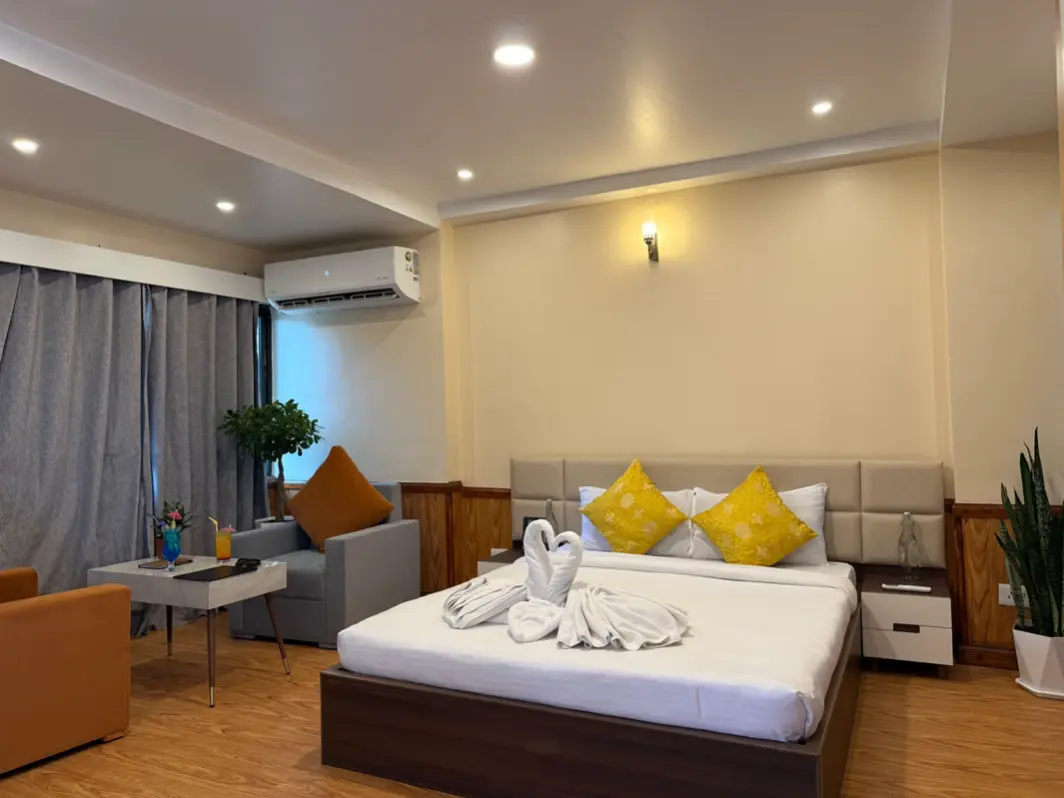
– Stupa-view rooms with balconies – wake up to chanting and incense, not traffic.

– Long-stay apartments with kitchens- perfect for working remotely or taking a spiritual sabbatical.

– Organic breakfast café – with healthy, local and Western options.

– Multilingual staff- trained to understand the needs of solo travelers and pilgrims.

– Quiet setting- away from the noise of Thamel, yet walkable to everything you need.

– Extra touches- free Wi-Fi, laundry, airport shuttle, and thoughtful, local hospitality.

Whether you’re here to work, rest, or reconnect with yourself, Boudha Mandala doesn’t just give you a room. It gives you space to belong.

Final Takeaways

– Hotels are built for presence, care, and longer stays.

– Motels are built for movement, convenience, and overnight rest.

– If you’re traveling with intention to retreat, reflect, or create a hotel gives you the peace and structure to do that well.

And if you’re heading to Boudhanath Stupa, Boudha Mandala Hotel offers the kind of stay that meets you where you are with simplicity, peace, and purpose.

What are the Pros and Cons of Staying at Hotels Near Boudha?

Key Takeaways
• Hotels near Boudha offer unmatched proximity to one of Nepal’s most sacred Buddhist sites, with some properties just minutes from the stupa
• The neighborhood provides a peaceful, spiritual atmosphere that contrasts sharply with Kathmandu’s chaotic tourist areas
• Accommodations range from budget monastery guesthouses to boutique hotels, offering options for different travel styles and budgets
• Guests consistently praise the safety, walkability, and authentic Tibetan culture found in Boudha’s hotel area
• Some properties lack luxury amenities found in international chain hotels, reflecting the neighborhood’s focus on spiritual tourism
• Distance from Thamel and central Kathmandu requires taxi rides for trekking gear shopping or nightlife
• The area attracts spiritual seekers, digital nomads, and cultural explorers rather than conventional tourists

The incense reaches you before you see the stupa. You’re walking down a narrow lane in Boudha, prayer wheels spinning on your left, and then you turn a corner. There it is, the great white dome rising above the rooftops, its all-seeing eyes watching the neighborhood wake up.

Choosing where to stay in Boudha is about finding the right distance from the stupa, close enough to feel its pull, far enough to sleep when you need to.

The hotels scattered around this sacred neighborhood occupy different points on that spectrum, each offering its own balance of proximity, peace, and practicality.

After analyzing guest reviews, comparing properties, and understanding what travelers actually experience here, the picture becomes clear. Staying near Boudha offers something fundamentally different from other Kathmandu neighborhoods. But it’s not for everyone, and pretending otherwise does no one any favors.

Let’s walk through what works, what doesn’t, and who these hotels are really for.

The Pros: What Hotels Near Boudha Get Right

Location That Changes How You Experience Nepal
Hotels near Boudha sit within walking distance of Boudhanath Stupa, one of the largest Buddhist stupas in the world and a UNESCO World Heritage Site. But the real advantage isn’t just proximity, it’s access to a rhythm that day-trippers never experience.

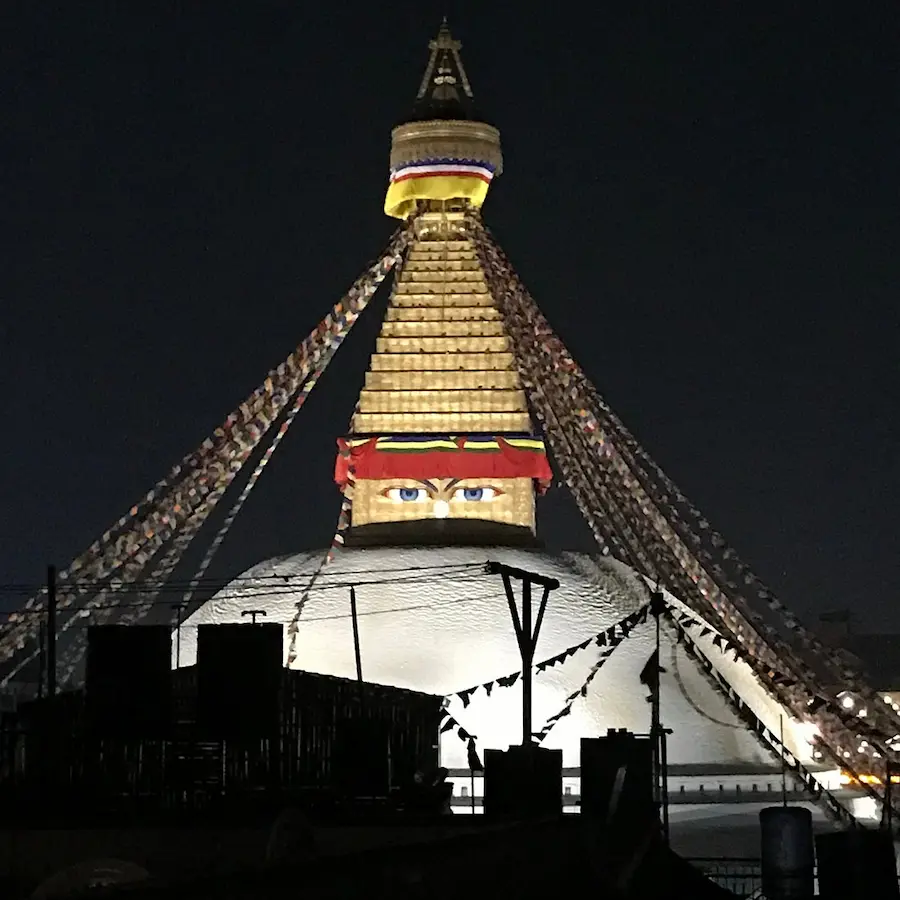
You can walk the kora at dawn when serious practitioners circle the stupa in meditative silence. You can return at dusk when families light butter lamps and the golden hour turns the white dome amber. You can step out at midnight when the stupa is illuminated and nearly empty, the prayer wheels still turning under the stars.

Guest reviews consistently note that properties near the stupa are close to the excitement but set back enough to maintain a peaceful atmosphere. This positioning matters more than you might think. You’re close enough to hear the morning horns from the monasteries, far enough back that you’re not dealing with the constant flow of tour groups.

The location also puts you within a 10-minute walk of most sacred monasteries near Boudhanath, making it ideal for travelers who want to explore beyond the main stupa. You can attend morning pujas at Boudhanath, join meditation sessions, and return for breakfast without needing a taxi.

Authentic Tibetan Culture Without the Tourist Filter

After the 1959 Tibetan uprising, thousands of refugees settled in Boudha, bringing with them centuries of Buddhist tradition, art, and practice. What resulted is one of the most vibrant Tibetan communities outside Tibet itself. Hotels in this area give you access to authentic local culture that hasn’t been packaged for tourists.

You’ll find thangka painters working in open studios, their brushes moving with the precision of meditation. Tibetan restaurants serve momos and thukpa recipes passed down through generations. Shops sell singing bowls, prayer flags, and malas, not as souvenirs but as tools for practice.

The neighborhood offers something rare: authenticity without gatekeeping. Monks will explain the meaning of mantras if you’re curious. Shopkeepers will tell you the proper way to hang prayer flags and light butter lamps. There’s a generosity here that comes from confidence, not performance.

If you’re looking for that balance of proximity and peace, we invite you to experience it at Boudha Mandala Hotel. Located on the Boudha stupa roundabout but set back from the main chaos, our rooms open onto the stupa’s energy without the noise. You’ll hear the morning chants from your bed, watch butter lamps flicker from the rooftop, and step into the kora path in less than two minutes.

Safety and Walkability That Solo Travelers Appreciate

Boudha is consistently rated as one of Kathmandu’s safest neighborhoods, particularly for solo travelers and women. The streets are well-lit, the community is tight-knit, and there’s a natural flow of people at all hours due to the stupa’s 24-hour accessibility.
You can walk from one end of Boudha to the other in about 15 minutes. Every turn reveals something worth pausing for. A monastery courtyard where monks debate philosophy. A rooftop café with views of the stupa’s all-seeing eyes. A small shrine where butter lamps flicker in rows, each one a prayer made visible.

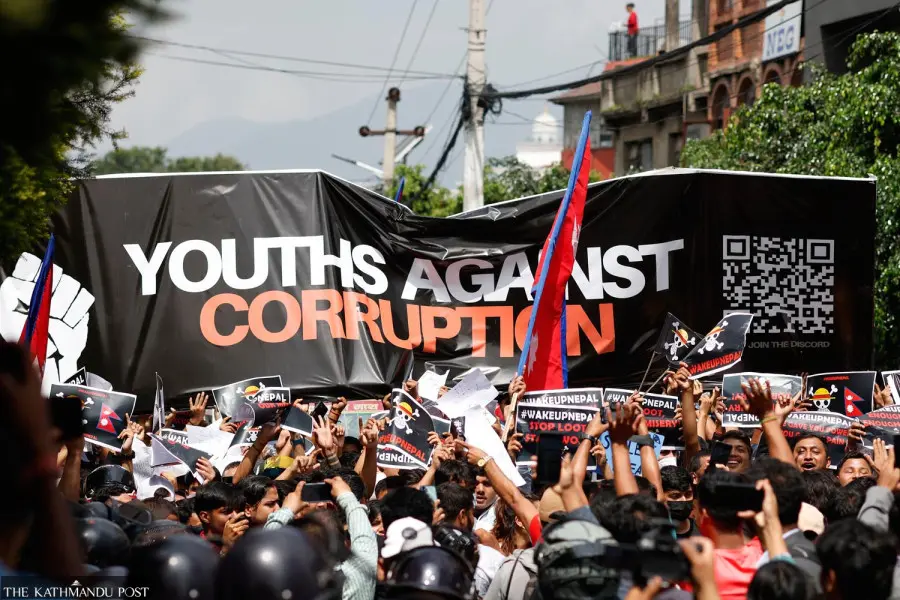
Even after recent protests in Kathmandu, Boudha has remained a peaceful sanctuary. The neighborhood’s spiritual focus and strong community bonds create an environment where travelers feel welcomed rather than targeted.

Value That Makes Long-Term Stays Feasible

Hotels near Boudha consistently offer better value than comparable properties in Thamel or tourist-heavy areas. Many include free breakfast, WiFi, and parking, eliminating the nickel-and-diming that some hotels practice.

This middle ground works well for travelers who want more comfort than a monastery guesthouse but don’t need luxury hotel amenities. The properties offer reasonable pricing with more amenities than basic accommodations.

For digital nomads choosing Boudha as a base, the cost of living in Kathmandu becomes much more manageable when accommodation is both comfortable and reasonably priced. Many hotels offer discounts for extended stays, making weeks or months in Boudha financially practical.

Peaceful Atmosphere That Supports Contemplation

Hotels near Boudha are located in what guests describe as the quiet place of the stupa. You’re near the excitement but not overwhelmed by it. This matters especially if you’re here for Buddhist meditation or spiritual practice.

You need a space where you can return after a day of walking, sitting, and observing, and actually process what you’ve experienced. The hotels in Boudha provide that container. Many feature rooftop terraces or garden courtyards where you can sit with tea, write in your journal, or simply watch the light change on the stupa in the distance.

These small details create an environment that supports contemplation, not just tourism. The neighborhood quiets down early, following the rhythm of monastic life rather than bar closing times. For travelers seeking that particular quality of stillness, it’s exactly the point.

The Cons: What to Know Before You Book

Basic Amenities Reflect Spiritual Tourism Focus

Most hotels near Boudha are 3-star properties that deliver functional comfort rather than luxury. If you’re expecting a spa, a gym, or a rooftop infinity pool, you’re looking at the wrong neighborhood.

The amenities are practical rather than indulgent. Rooms typically feature air conditioning, private bathrooms, and comfortable bedding, but you won’t find the high-end finishes of international chain hotels. For travelers who understand the difference between guesthouses, boutique hotels, and luxury properties, this is exactly what they want. For others, it might feel too basic.

Limited On-Site Facilities and Services

Many Boudha hotels are small properties with 20 rooms or fewer. There’s no large restaurant, no business center, no concierge desk with a staff of ten. What you get instead is personal attention from a small team who actually know the neighborhood.

This is a trade-off. You lose the infrastructure of a large hotel. You gain the intimacy of a place where staff remember your name and follow up on recommendations they made yesterday.
For some travelers, especially those used to full-service hotels, this might feel limiting. For others, it’s exactly the point. The question is what kind of experience you’re actually seeking.

Distance from Thamel and Tourist Infrastructure

While hotels near Boudha are well-positioned for exploring the stupa and surrounding monasteries, they’re about 6-7 kilometers from Thamel. This requires taking taxis or dealing with Kathmandu traffic to access trekking gear shops, tour operators, or the city’s main tourist infrastructure.

Guest reviews note that visiting other parts of Kathmandu is still manageable, but it requires planning and taxi fares. If you’re preparing for a trek and need daily access to equipment shops, or if you want to be in the center of Kathmandu’s tourist scene, staying in Boudha requires a bit more logistics.

That said, many guests see this as a feature, not a bug. The distance from Thamel is exactly why Boudha feels different. Learn more about how to get from the airport to Boudha to understand the transportation options.

Not Ideal for Nightlife or Party Travelers

If you’re looking for bars, clubs, or late-night entertainment, Boudha isn’t your spot. The neighborhood quiets down early, and hotels here cater to travelers seeking spiritual practice or cultural immersion rather than nightlife.

Similarly, if you need room service at midnight, a pillow menu, or a hotel that can arrange helicopter tours, you’ll want to look elsewhere. Hotels near Boudha serve a specific traveler: someone who values authenticity over amenities, location over luxury, and genuine connection over polished service.

Monsoon Season Challenges

Like much of Kathmandu, Boudha’s narrow streets can flood during heavy monsoon rains. Some hotels may experience occasional water issues or construction noise as the neighborhood continues to develop. These aren’t unique to Boudha, but they’re worth knowing about if you’re planning a June through September visit.

The best time to visit Boudhanath is October through March, when skies are clearest and temperatures are most comfortable.
At Boudha Mandala Hotel, we’ve designed every corner with the long-term traveler in mind. Our apartment-style accommodations offer more space than standard hotel rooms, with kitchenettes for guests who want the flexibility of preparing their own meals. We provide 24-hour power backup and high-speed fiber internet, addressing two of the biggest concerns for digital nomads in Nepal. Book directly with us and you’ll understand why over 60% of our guests extend their original booking.

Who Hotels Near Boudha are Really For

Spiritual Seekers and Meditation Practitioners

If you’re here to attend teachings, practice meditation, or simply spend time in a sacred environment, hotels near Boudha position you perfectly. You can attend morning pujas, walk the kora multiple times a day, and return to a quiet room that supports your practice.
The hotels’ atmosphere aligns with the neighborhood’s spiritual energy. You’re not fighting against the environment to maintain your practice. You’re supported by it.

Budget-Conscious Long-Term Travelers

With reasonable rates and discounts for extended stays, hotels near Boudha work well for travelers planning to spend weeks or months in Kathmandu. The combination of affordable accommodation and authentic local restaurants makes long-term stays financially sustainable.
The free WiFi and comfortable rooms make it feasible to work remotely while staying connected to Boudha’s contemplative atmosphere.

Cultural Explorers and Solo Travelers

The hotels’ location gives you access to authentic Tibetan culture without the filter of tourist infrastructure. You can explore thangka painting studios, discover hidden gems, and build relationships with local shopkeepers and monks.

Solo travelers particularly appreciate the safe, welcoming environment and the staff’s willingness to offer guidance without being intrusive. The neighborhood’s walkability and community atmosphere create natural opportunities for connection.

Travelers Who Value Authenticity Over Instagram

If you’re more interested in understanding the meaning of prayer flags than collecting Instagram shots, hotels near Boudha are your place. These properties don’t try to be photogenic. They try to be genuine.

You won’t find infinity pools or designer furniture. You’ll find clean rooms, kind people, and a location that lets you experience Boudha the way it’s meant to be experienced: slowly, quietly, with attention.

Comparing Hotels Near Boudha to Other Kathmandu Options

vs. Thamel Hotels

Thamel offers more restaurants, shops, and nightlife. Hotels there cater to trekkers and tour groups with gear storage and early breakfast options. But you lose the spiritual atmosphere, the safety, and the sense of community that Boudha offers.
It’s a fundamental choice about what kind of experience you want in Kathmandu. Thamel performs. Boudha simply is.

vs. Patan or Bhaktapur

These historic cities offer their own cultural richness and beautiful architecture. But they’re farther from the airport and lack Boudha’s concentration of Buddhist practice and Tibetan culture. Hotels there tend to be pricier for comparable quality.

vs. Monastery Guesthouses in Boudha

Monastery guesthouses are cheaper but offer fewer amenities. You might share bathrooms, have limited hot water, and follow stricter rules about noise and visitors. Hotels near Boudha give you more comfort and flexibility while maintaining a respectful, quiet atmosphere.

Practical Tips for Staying Near Boudha

Best Time to Book

October through March offers the best weather for exploring Boudha. Book early if you’re planning to visit during Buddhist festivals like Losar or Buddha Jayanti, as rooms fill quickly.
For long-term stays, reach out directly to hotels to inquire about extended stay discounts. Many properties are more flexible with pricing for guests committing to weeks or months.

What to Pack

Boudha’s spiritual atmosphere calls for modest clothing. Bring layers for cool mornings and warm afternoons. A good pair of walking shoes is essential for exploring the neighborhood and completing koras around the stupa.
Check out our packing guide for spiritual trips for more detailed recommendations.

Getting the Most from Your Stay

Take advantage of hotel staff’s local knowledge. Ask about which monasteries welcome visitors, where to find authentic Tibetan food at the best restaurants in Boudha, and when to visit the stupa for specific experiences.

Consider staying long enough to fall into Boudha’s rhythm. Three nights minimum lets you experience the stupa at different times of day and start to recognize the regular pilgrims on the kora path.

If you’re planning your next spiritual journey or looking for a peaceful base in Kathmandu, book your stay directly with us at Boudha Mandala Hotel. We’re steps from the stupa but a world away from the noise. Our team knows every monastery, every hidden café, every quiet corner where you can sit and just be. That’s the kind of local knowledge you can’t find on booking platforms.

Conclusion

Here’s what it comes down to: hotels near Boudha aren’t trying to be everything to everyone. They’re accommodations in a sacred neighborhood, run by people who understand that hospitality means more than thread count and marble bathrooms.

The pros are significant: unbeatable location near one of the world’s most important Buddhist sites, genuine warmth from staff, safety that solo travelers appreciate, and value that makes long-term stays feasible. The cons are honest: basic amenities, limited facilities, distance from Thamel’s tourist infrastructure, and a quiet atmosphere that won’t suit everyone.

But for travelers who came to Nepal for something deeper than photo opportunities, for spiritual seekers who need a peaceful base, for digital nomads who want to work in a contemplative environment, hotels near Boudha offer exactly what matters.

The prayer wheels keep turning outside. The butter lamps keep flickering. And inside these hotels, guests keep extending their stays, not because the properties are perfect, but because they understand what travelers are really looking for.

That’s the difference between accommodation and belonging. Between staying somewhere and being somewhere. Hotels near Boudha offer the latter, if you’re willing to trade luxury for authenticity, convenience for contemplation, and performance for peace.

FAQs

Are hotels near Boudha actually close to the stupa?

Yes, most hotels are within a 2-10 minute walk of Boudhanath Stupa. Some properties sit directly on the stupa roundabout, while others are set back on quieter side streets. The proximity means you can visit the stupa multiple times a day without transportation.

Do hotels near Boudha offer discounts for long-term stays?

Many do. Contact hotels directly to discuss rates for stays longer than a week. Properties catering to spiritual practitioners and digital nomads often have flexible pricing for extended bookings.

Is Boudha safe for solo female travelers?

Yes. The neighborhood is consistently rated as one of Kathmandu’s safest areas, with well-lit streets, a strong sense of community, and a welcoming atmosphere for solo travelers of all genders.

What’s included in typical hotel rates near Boudha?

Most hotels include free breakfast, WiFi, and parking. Rooms typically come with air conditioning, private bathrooms, and free toiletries. Some properties offer airport pickup for an additional fee.

How far are Boudha hotels from the airport?

Boudha is approximately 4-8 kilometers from Tribhuvan International Airport, roughly 15-25 minutes by taxi depending on traffic. This makes it more convenient than Thamel for travelers with early flights or late arrivals.

Related Guides

Where to Stay in Boudha: Guesthouses vs Boutique Hotels vs Monasteries

Key Takeaways:

Whether you’re a spiritual seeker, cultural explorer, or digital nomad, Boudha offers more than one way to rest your head. This guide compares guesthouses, boutique hotels, and monasteries based on experience, comfort, and connection, so you can stay where your journey truly begins.

Introduction
If you’re anything like me, you don’t just want a bed, you want a place that breathes with the rhythm of the place you’re visiting. In Boudha, where the great stupa rises like a moon of compassion and the air carries incense and mantra, where you stay matters. Over the years, I’ve stayed in all types of places here, from $10 rooms above a thukpa shop to quiet boutique hotels with sunrise balconies, to the simple, silent rooms in monasteries. Each taught me something different.

This is not a typical accommodation list. This is a guide written from the lanes, rooftops, and retreats of Boudha , to help you choose a stay that supports the purpose of your journey.

Guesthouses

The first time I came to Boudha, I found a guesthouse tucked beside a tiny momo place. The walls were thin, but the smiles were warm. Guesthouses in Boudha are often family-run, simple, and budget-friendly. You’ll wake to the sounds of roosters, bells, and chants,and maybe to the creak of someone walking upstairs.

Pros:
• Very affordable (NPR 1000–3000/night)
• Local character and hospitality
• Close to food stalls and street life

Cons:
• Wi-Fi can be slow or unreliable
• Rooms are often small or dimly lit
• Bathrooms may be shared or very basic

Who it’s for: Cultural travelers on a short stay, backpackers, and those who want a spontaneous local vibe.

Tip: Try asking for a room at the back or on a higher floor to avoid street noise. Some places offer rooftop access even if it’s not listed.

Boutique Hotels: Quiet Comfort, Close to the Sacred

After a few visits, I realized I wanted more stillness. That’s when I found Boudha Mandala Hotel, just 10 seconds from the stupa, yet far enough to feel retreat-like. Boutique hotels in Boudha are small, tastefully designed, and focused on peace. They usually offer fast Wi-Fi, stupa views, in-house breakfast, and clean, quiet rooms.

Pros:
• Stupa-view balconies and rooftops
• Organic food and peaceful cafés
• Ideal for digital nomads, long-stay guests, and spiritual travelers

Cons:
• Higher rates (NPR 4000–12,000/night)
• Fills up quickly during Losar, retreats, or holidays

Who it’s for: Writers, meditators, remote workers, spiritual seekers, and travelers wanting peace without leaving Boudha.

One morning, I watched the stupa from my balcony as monks chanted below. The air was thick with mantra and morning light. No camera could catch it,but I remember the stillness.

Monastery Guest Rooms: Living Inside the Practice

Some monasteries around Boudha offer a few guest rooms. You may not find them online, these stays happen through word of mouth, retreat programs, or quiet asking. They’re often incredibly simple: just a bed, a thin mattress, and a small table. But you’ll fall asleep to evening pujas, and wake to the sound of bells and saffron robes.

Pros:
• Immersive and spiritually grounding
• Access to rituals, ceremonies, and community
• Deeply peaceful and unique

Cons:
• Spartan amenities (shared toilets, no Wi-Fi)
• Language and cultural barriers
• Often require pre-approval or connection

Who it’s for: Practicing Buddhists, long-term retreatants, cultural immersion seekers.

Note: Don’t treat a monastery like a hotel. Respect schedules, silence, and protocols. Bring your own bedding, if needed.

How to Choose Based on Your Intent

If you’re visiting for a few days and want to explore local life, a guesthouse might be perfect. If you’re working remotely or on a solo retreat, a boutique hotel gives the right balance of comfort and access. And if you’re here to deepen your practice, ask about monastery stays through centers like Kopan or Ka-Nying Shedrub Ling.

Ask yourself:
Do I need Wi-Fi or a workspace?, Am I here to work, rest, or practice, How important is food, silence, or community to me?

Your answers will tell you more than any booking site.
Where I Stayed, and What I Recommend. I’ve stayed in a $12 guesthouse above a thanka shop, in a monastery room so quiet it made me weep, and in Boudha Mandala Hotel, where I keep returning because it’s right in between. It’s quiet but close, has fast Wi-Fi and warm food, and feels like it understands why I’m here.

Whether you’re a pilgrim or a digital nomad, Boudha Mandala offers something rare: peace without isolation.

Final Reflection
Boudha isn’t just a place, it’s a rhythm. Where the sound of spinning prayer wheels meets the hush of early morning light. Your stay should honor that.

Where you sleep becomes part of your story. Choose a place that holds you gently, so you can walk the kora with an open heart, rest without worry, and wake up to something more than an alarm clock.

If you’re looking for a peaceful, spiritually grounded place to stay just steps from the stupa, Boudha Mandala Hotel offers long-stay apartments, stupa-view rooms, and a rooftop where you can sip tea while the world turns slowly below.*


*

How Kathmandu Feels Different in Every Season

Kathmandu feels like a different city depending on the time of year you visit. The light shifts, the air changes, the crowds move differently, and even the smell of the city feels new from one season to the next. Travelers sometimes think weather is just about sunshine or temperature, but in Kathmandu, it shapes your mood, your plans, and the whole rhythm of your day.

How does winter change the way travelers experience Kathmandu?

Winter changes the way travelers experience Kathmandu by making mornings crisp, days clear, and views surprisingly sharp.

You wake to cold air, warm tea, and soft sunlight. Once the sun rises, the city becomes comfortable for walking.

Winter feelings

• Clear skies and great mountain views
• Cold mornings that warm up after 10 am
• Perfect conditions for temple visits
• Quiet evenings with warm food
• Cozy cafés around Boudha and Patan

Winter feels calm and gentle if you enjoy cooler days.

How does spring shape a traveler’s day in Kathmandu?

Spring shapes a traveler’s day in Kathmandu with warm afternoons, blooming flowers, and comfortable walking weather.

The season feels lively without being too hot, and festivals start filling the calendar.

Spring atmosphere

• Bright, soft air
• Flowering trees across the valley
• Perfect morning walks
• Longer outdoor afternoons
• Festivals that bring color to the streets

Spring feels like the valley waking up.

What makes summer feel different from other seasons in Kathmandu?

Summer feels different from other seasons in Kathmandu because it brings humidity, clouds, and occasional heavy rain.

The rain brings cleaner air and quieter streets, creating moments travelers don’t expect.

Summer traits

• Warm, humid days
• Sudden afternoon showers
• Fresh smells after rain
• Softer light for photography
• Fewer crowds at main spots

Summer gives you peaceful breaks between short storms.

How does the monsoon season change the traveler experience?

The monsoon season changes the traveler experience by slowing the city down and adding a steady rhythm of rain.

Travel becomes more about timing and enjoying the atmosphere rather than rushing between places.

Monsoon feelings

• Afternoon rain almost daily
• Green hills surrounding the valley
• Cooler evenings
• Quiet streets during storms
• A relaxed pace for exploring

Many travelers love the freshness the monsoon brings.

How does autumn create the most colorful version of Kathmandu?

Autumn creates the most colorful version of Kathmandu because festivals fill the streets, skies clear, and the air turns cool and bright.

This is when the valley feels at its best for many travelers.

Autumn highlights

• Clear blue skies
• Perfect walking weather
• Festivals like Dashain and Tihar
• Bright lights and colorful decorations
• Warm days and cool evenings

Autumn feels uplifting and balanced.

How does the weather affect walking and sightseeing in Kathmandu?

The weather affects walking and sightseeing in Kathmandu by deciding how long you can stay outside comfortably and which routes feel pleasant.

The city rewards people who adjust their pace to the season.

Season-based walking tips

• Winter for clear city walks
• Spring for long, warm routes
• Summer mornings for comfort
• Monsoon breaks for fresh air
• Autumn for all-day exploring

When you plan by season, your day feels smoother.

How does temperature change the way travelers eat and drink here?

Temperature changes the way travelers eat and drink here because food habits shift with the weather.

Hot meals feel comforting in winter, fresh fruit and cool drinks help in summer, and tea tastes good all year.

Season-linked food habits

• Winter thukpa and hot tea
• Spring snacks near outdoor cafés
• Summer fruit juices and light meals
• Monsoon warm bread and tea
• Autumn street snacks under clear skies

Your taste shifts with the season.

How does weather influence views of the mountains and the valley?

Weather influences views of the mountains and the valley by controlling clarity and light.

Good mountain views rely on cold, clear mornings. Warm seasons bring haze or clouds.

Best viewing seasons

• Winter for crisp mountain ranges
• Autumn for long, clear views
• Spring for soft, colorful landscapes
• Monsoon for green hills after rain

Weather decides whether the mountains appear strong or stay hidden.

How should travelers plan their trip based on the season?

Travelers should plan their trip based on the season by matching their comfort level with weather, crowds, and daylight.

There is no wrong time to visit. Each season gives you something unique.

Simple planning guide

• Winter for clear days
• Spring for soft warmth
• Summer for quiet moments
• Monsoon for dramatic skies
• Autumn for the best overall mix

Why is Boudha Mandala Hotel a comfortable base in every season?

Boudha Mandala Hotel is a comfortable base in every season because the neighborhood stays calm, walkable, and safe no matter the weather.

You get easy mornings, soft evenings, and quick access to tea shops and food year-round.

Why the location works

• Warm cafés nearby in winter
• Shaded walks in summer
• Peaceful rain days in monsoon
• Bright festivals in autumn
• Simple access to main landmarks

The rhythm of Boudha matches every season beautifully.

The Secret Side Alleys of Boudha: Hidden Gems for Travelers

There’s a stillness in Boudha that draws you in. But it doesn’t end at the circle of the great stupa. If you follow the soft rustle of prayer flags, the scent of incense drifting from open windows, and the occasional sound of a conch shell calling monks to prayer, you’ll begin to see another Boudha. One that lives quietly, humbly, just beyond the main kora path.

This isn’t a place of signs and schedules. It’s a place of wandering. The alleys of Boudha don’t shout. They whisper. And if you listen closely, they’ll show you something unforgettable.

Why the Side Alleys Matter

While most visitors stay near the main stupa path, locals know where the soul of Boudha truly breathes. It’s in the narrow lanes behind monasteries. In the flicker of a butter lamp seen through a half-open door.

In the quiet rhythm of a nun sweeping her courtyard at dawn.
These side paths are not hidden to those who walk slowly. They reveal themselves with time, with trust, and with presence. This is where devotion lives — not performed, but practiced.

The Prayer-Flag Alley Behind Tamang Gompa

One morning, I followed a monk holding a small bundle of butter lamps into a quiet alley behind Tamang Gompa. What opened before me was a corridor of prayer flags, stretching overhead from rooftop to rooftop, casting colorful shadows on the brick path below.

At the end, I found a tiny courtyard with a stone stupa no taller than my waist. Two nuns were offering incense. One smiled. No words were needed. That moment stayed with me longer than any panoramic photo ever could.

The Left Turn at Lotus Bakery

Everyone knows Lotus Bakery. But few take the left turn just before its entrance.

If you do, you’ll find yourself walking toward a monastery courtyard where birds sing louder than any traffic horn, and the air smells like old wood and saffron robes. On my second visit, I sat there for nearly an hour, not planning to. I had brought a journal, but I didn’t write. I just sat, as bells rang from a nearby puja and a child offered a marigold to a statue.

Sometimes the quietest places say the most.

The Teahouse With No Name

One evening, after a soft rain had washed the dust from the bricks, I wandered into an alley in the northeast corner of the Boudha circle. I was cold, slightly lost, and looking for nothing in particular. That’s when I saw three monks sipping tea inside a small shop with no sign.
The smell of salty butter tea pulled me in. They welcomed me without words, only a nod. The tea was hot, the air was still, and for a moment I forgot I was a traveler. I was just there, present, sipping from a heavy glass mug, sharing space with devotion.

A Secret Rooftop With a Clear View

Not all rooftops in Boudha are listed on TripAdvisor.
One family-run lodge, tucked behind a gift shop near the west side of the stupa, opens its roof only if you ask kindly. I climbed three narrow flights of stairs and emerged onto a small terrace strung with fresh prayer flags. No music, no menu, no crowd.

Just a full, unbroken view of the stupa glowing in the setting sun. Below, the prayer wheels turned with the rhythm of old hands. Beside me, a cat curled up beside a butter lamp. I didn’t take many photos. I didn’t need to.

Wandering as a Spiritual Practice

Boudha is a mandala, not a museum. And just like a mandala, its gifts are found when you let go of structure.

The alleys here don’t follow a plan. Some turn sharply. Some end abruptly. Some open to light, others into shadow. But every corner invites you into deeper presence. To walk with no agenda. To observe without labeling. To feel instead of chase.

It’s a reminder that wandering isn’t the opposite of purpose. Sometimes, it is the purpose.

Why Staying Nearby Changes Everything

To truly uncover the hidden gems of Boudha, you need to stay close.
When you stay at a place like Boudha Mandala Hotel, just 10 seconds from the stupa, the entire neighborhood becomes your backyard. You wake with the monastery bells. You wander out barefoot for morning kora. You meet shopkeepers who start to recognize you not as a guest, but as a neighbor.

It’s this sense of belonging that makes the alleys open up. The slower you go, the more they reveal.

Conclusion
Not every traveler will find these side alleys. Not because they’re hard to reach, but because they ask you to slow down, to notice, to be still enough to see.

So take the unknown turn. Linger a little longer by a closed temple gate. Smile at the stranger sweeping the doorway. And walk as if every step might lead to a hidden shrine.

Because in Boudha, it just might.
If you’re looking for a peaceful, soulful stay while exploring the secret side of Boudha, Boudha Mandala Hotel offers stupa-view rooms, long-stay options, and a calm, retreat-like atmosphere just steps from the circle.

How to Spend 24 Hours in Kathmandu

Spending 24 hours in Kathmandu may seem brief, but it’s sufficient to immerse yourself in the city’s vibrant rhythm. If you’re based in Boudha, you’ll begin in a tranquil neighborhood with the stupa serving as your guide, while the rest of the city is just a short ride away. This guide provides a clear plan to ensure you make the most of your time without wasting it figuring out your next destination.

What does a perfect morning in Kathmandu look like?

A perfect morning in Kathmandu starts with calm moments around Boudhanath Stupa before the day gets busy.

Early mornings in Boudha feel soft. The light hits the dome gently, monks walk quietly, and you can join the kora with locals who circle the stupa. It sets your whole day in a peaceful way.

Morning plan

• Walk to Boudhanath Stupa around 6:30 to 7:00
• Join the clockwise walk and enjoy the low morning energy
• Stop at a rooftop café for tea and a simple breakfast
• Try Tibetan bread or a plate of hot momos if you’re hungry early
• Take a slow walk back to the hotel to prepare for the day

Many travelers say this first hour becomes their favorite memory.

What is the best late-morning activity in Kathmandu?

The best late-morning activity is visiting Pashupatinath Temple because it shows you one of the most meaningful parts of Nepali life.

It’s close, and you see rituals, architecture, and daily spiritual practices in one place. You don’t need more than 1.5 to 2 hours to feel its depth.

How to use your time

• Take a short taxi ride from the hotel
• Walk through the temple complex and riverfront
• Spend time watching the harmony of daily rituals
• Visit the bridge area where sadhus and pilgrims gather
• Leave before noon to avoid the hottest part of the day

It’s a raw but powerful look into Nepali culture.

Where should you go for lunch during a 24-hour visit?

You should go to a local spot that serves dal bhat, Tibetan dishes, or Newari meals because these are the flavors of the city.

Lunch in Kathmandu fills you up for hours. You won’t feel hungry until the evening if you choose something hearty.

Good lunch ideas near Boudha
• A Nepali kitchen serving dal bhat with lentils, rice, vegetables, and achar
• Tibetan restaurants with thukpa or shabhaley
• Places offering Newari dishes like bara or chatamari
• Simple momo shops for a quick, warm meal

If you’re craving something light, go for a noodle soup. If you want something filling, dal bhat is your best friend.

What should travelers do in the early afternoon?

Travelers should visit Kathmandu Durbar Square or Patan Durbar Square in the early afternoon because both locations give a deep look into the valley’s royal history.

Both squares offer carved temples, courtyards, and streets worth exploring for pictures, snacks, and small shops.

Choose your path

• Kathmandu Durbar Square if you want to see the Kumari House and old palace
• Patan Durbar Square if you enjoy art, museums, and quieter alleys

Walk around and notice

• Wooden carvings
• Old brickwork
• Local vendors
• Courtyards full of everyday life
• Small temples tucked between shops

If you love photography, Patan often feels easier because it’s less crowded.

What is the best way to spend late afternoon in Kathmandu?

The best way to spend late afternoon in Kathmandu is by heading to Swayambhunath, also known as Monkey Temple, because the viewpoint shows the entire valley in warm light.

Climbing the steps might leave you a little out of breath, but reaching the top always feels worth it.

What to do at the top

• Look over the city as the light softens
• Turn the prayer wheels around the stupa
• Watch the monkeys from a safe distance
• Take a few quiet minutes to slow down

This is the moment where travelers often pause and think, “Ah, this is Kathmandu.”

Where should guests go for dinner ?

Guests should go to restaurants around Boudhanath Stupa for dinner because the area feels calm at night and offers some of the best Tibetan and Nepali meals.

Nighttime in Boudha feels cozy. The stupa glows with soft lights, and the restaurants around the circle serve warm food that fits the mood.

Dinner ideas

• Tibetan noodles or thenthuk
• Fried or steamed momos
• Vegetable or chicken curries
• Tingmo with spicy sauces
• Butter tea if you want to try something traditional

Most visitors enjoy sitting on a rooftop to watch the stupa while they eat.

What is a relaxing way to end the night?

A relaxing way to end the night is by walking one last time around Boudhanath Stupa before returning to the hotel.

The area stays peaceful, and the soft chanting from nearby monasteries makes it easy to unwind.

Simple nighttime routine

• Take a quiet walk around the stupa
• Stop for a warm cup of tea
• Pick up a small souvenir from a local shop
• Head back to the hotel for a restful night

This ends your 24 hours in the most grounding way.

Why is Boudha Mandala Hotel a good place for a 24-hour Kathmandu itinerary?

Boudha Mandala Hotel is a helpful base because it sits within a short walk of the stupa and within a short ride of every major attraction in the city.

You start your day gently and return to a quiet space, which matters when you’re squeezing a lot of exploring into one day.

What makes the location convenient

• A 2 minute walk to Boudhanath Stupa
• A short ride to Pashupatinath
• Easy taxi access to Durbar Squares and Swayambhu
• Close to cafés, bakeries, and Tibetan restaurants
• A calm neighborhood for resting between outings

For travelers with only one full day in Kathmandu, a calm base makes the hours feel smoother and easier.