
Most travelers assume asking for help is universal. You ask clearly, someone answers clearly, and the problem gets solved. In Nepal, help works differently. People are willing, observant, and generous, but the way you ask matters as much as what you ask.
When travelers struggle to get useful help here, it’s rarely because people don’t want to assist. It’s because the request doesn’t fit how help is offered.
This guide shows how to ask in a way that works.
Why asking for help in Nepal feels confusing at first
Nepal runs on context more than clarity. People often prioritize politeness, harmony, and possibility over direct accuracy. A vague answer doesn’t mean indifference. It usually means the person is trying not to shut you down.
First-time travelers often expect precision and get reassurance instead. They hear “yes” when the real message is “maybe,” or “it should be fine” when conditions are still uncertain.
Understanding this gap changes everything.
Who you ask matters more than what you ask
Not everyone is positioned to help you, even if they want to. The most reliable help usually comes from people who are stationary and socially anchored.
Good people to ask:
• Shopkeepers
• Café staff
• Security guards
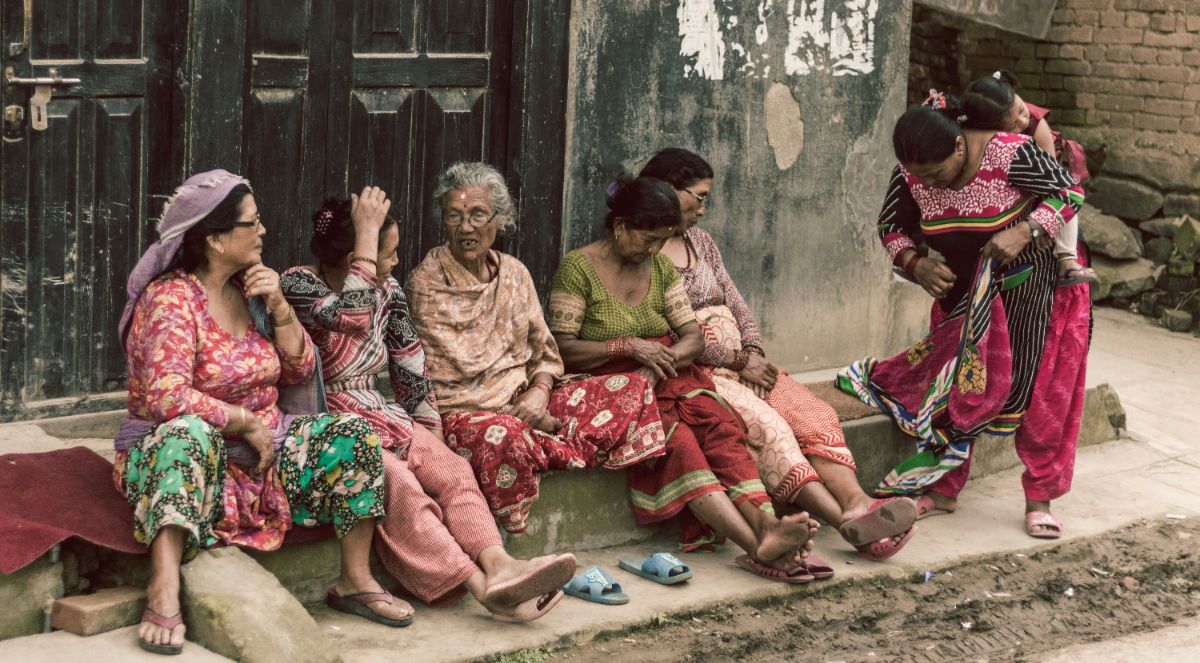
• Older locals sitting or working nearby
Less reliable sources:
• People walking quickly
• Young students in groups
• Anyone clearly in transit
Someone rooted in a place usually knows it well. Someone passing through may not, even if they answer confidently.
Why asking indirectly works better than asking directly
Direct questions demand final answers. Indirect questions invite conversation. In Nepal, conversation is how accuracy emerges.
Instead of asking:
“Is this the right way?”
Try:
“I’m trying to get to this place. Is this how you would go?”
The second approach allows adjustment, clarification, and follow-up without forcing a yes or no. It also gives the person space to think aloud.
Help here often unfolds, not delivers.
Why “yes” doesn’t always mean yes
One of the biggest misunderstandings travelers face is the polite yes. Saying no directly can feel uncomfortable or disrespectful. So people keep possibilities open.
“Yes” may mean:
• I think so
• It should be possible
• Someone else might know better
• I don’t want to disappoint you
This is why confirmation matters. Ask the same question in a slightly different way, or ask a second person nearby. Patterns reveal truth faster than single answers.
How repetition improves accuracy
In Nepal, asking twice is not rude. It’s normal. Information often becomes clearer through repetition and cross-checking.
If two people give similar directions using different words, you’re probably on the right track. If answers vary wildly, conditions may be changing or the route may not be fixed.
Treat help as a process, not a transaction.
Why body language matters more than words
Your posture, patience, and tone influence the quality of help you receive. Rushing signals urgency, which can shorten answers. Calm curiosity invites engagement.
Standing still, smiling lightly, and giving people time to respond often results in better guidance than rapid-fire questions.
Help flows more easily when the interaction feels human, not procedural.
Why directions are often landmark-based
Addresses and street names matter less here than visible reference points. Directions often rely on temples, shops, intersections, or turns rather than distances.
Listen for landmarks, not measurements. If someone says “near the big tree” or “after the old temple,” that information is more useful locally than a street name.
If you don’t recognize the landmark, ask what it looks like.
How to ask for help without drawing a crowd
In busy areas, questions can attract attention quickly. This isn’t hostility. It’s curiosity. If you want focused help, step slightly aside or address one person directly.
Crowds produce multiple answers, which can overwhelm instead of clarify. One calm interaction usually works better than five simultaneous suggestions.
Why locals may walk with you instead of explaining
Sometimes people won’t explain at all. They’ll just start walking. This isn’t impatience. It’s practicality.
Walking together removes ambiguity. Accept it when it happens. It’s one of the clearest forms of help you’ll receive.
If someone walks you part of the way, that’s a sign of genuine care, not inconvenience.
How to thank people appropriately
A simple thank you is enough. Over-effusiveness can feel awkward. A smile, eye contact, and a clear expression of gratitude fit local norms better than exaggerated praise.
Help here isn’t framed as a favor. It’s part of daily interaction.
Why asking for help gets easier the longer you stay
As you spend more time in Nepal, you start asking differently without realizing it. Your questions soften. Your expectations adjust. You learn when to wait, when to follow up, and when to accept uncertainty.
The quality of help improves because your approach does.
What travelers often misunderstand
Travelers sometimes think unclear answers mean people don’t know or don’t care. In reality, people are protecting possibility. They’d rather keep a door open than close it prematurely.
Once you see this, confusion turns into cooperation.
What this changes about traveling in Nepal
When you ask in a way that fits local logic, Nepal becomes easier. Directions make more sense. Delays feel manageable. Interactions feel warmer.
You stop forcing clarity and start receiving guidance.
Staying in a neighborhood where people are used to travelers also helps, and areas like Boudha, with familiar rhythms and attentive locals, make these interactions smoother. Places such as Boudha Mandala Hotel offer a stable base where travelers can practice this approach comfortably while navigating Kathmandu and beyond.