
Kathmandu has a unique way of captivating its visitors, drawing them in with an intoxicating blend of vibrant sounds, aromatic spices, and a variety of experiences that contrast quite a spiritual escape with bustling streets.
In this guide, we’ll help you navigate the city’s rich cultural landscape and pinpoint the must-see attractions so that you can bypass the overwhelming noise and distractions. Discover the hidden gems and iconic landmarks that truly define Kathmandu, making your journey memorable and fulfilling.
What makes Kathmandu worth visiting?
Kathmandu is worth visiting because it blends sacred sites, ancient architecture, and living culture within a few kilometers of each other.
Travelers often expect chaos. They find that, yes. But they also find quiet monasteries, sunrise viewpoints, old royal squares, and food you think about long after you leave. You get layers of history in a compact valley that you can explore without wasting time in long transfers.
Here’s a simple breakdown of what Kathmandu offers:
• Spiritual sites in Boudha, Pashupatinath, and Swayambhu that offer daily rituals, prayer wheels, and temples that feel alive
• Ancient palaces in Kathmandu, Patan, and Bhaktapur Durbar Squares that showcase carvings, courtyards, and centuries-old architecture
• Food and culture in Thamel, Patan, and Boudha with momos, Newari dishes, and Tibetan restaurants
• Relaxing spaces like the Garden of Dreams and cafés in Boudha that give you a breather from traffic
• Viewpoints at Swayambhu with wide views of the entire valley
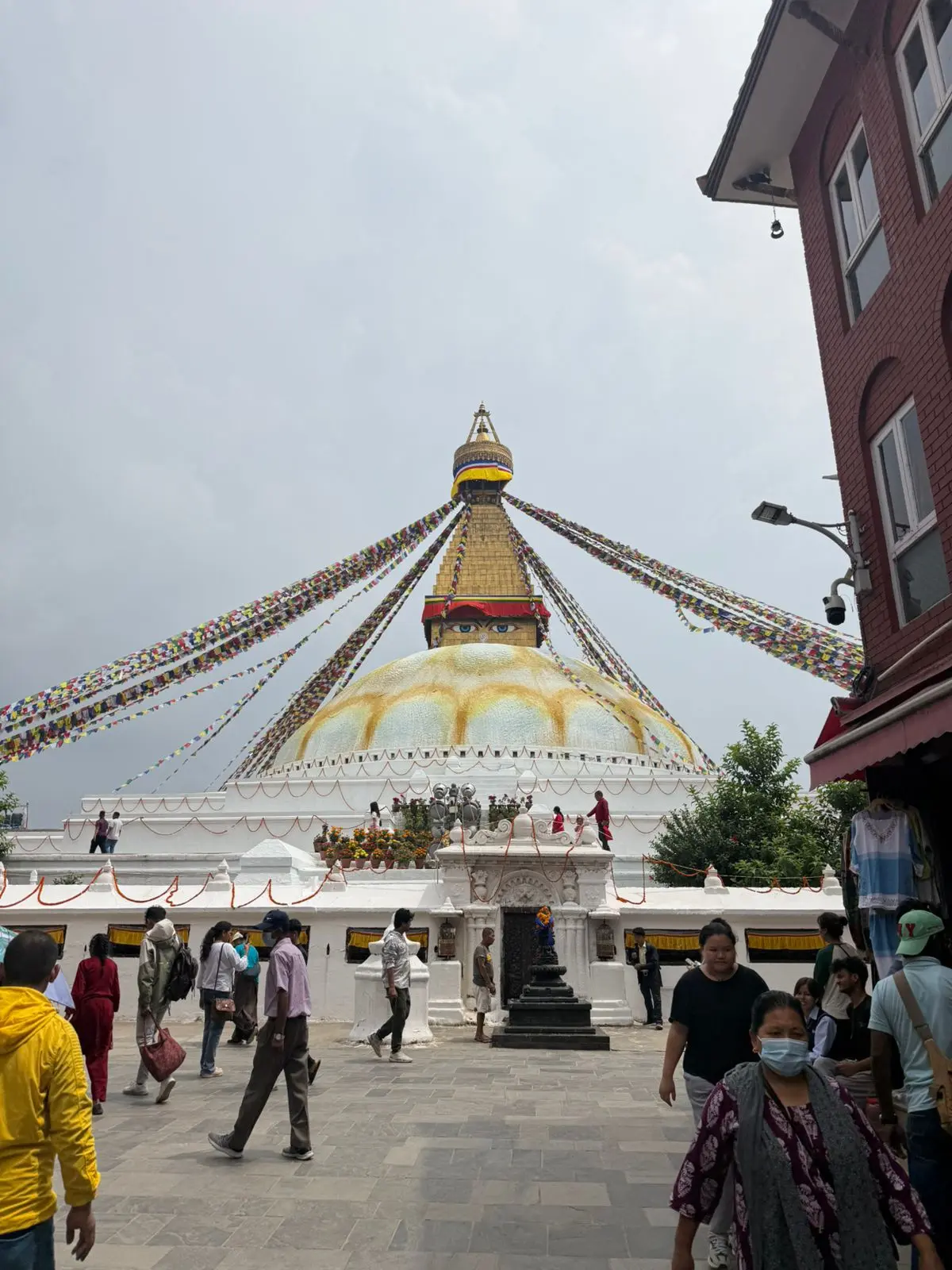
Boudhanath Stupa
Boudhanath Stupa is a massive white dome featuring watching eyes painted on its tower, serving as a focal point for Tibetan Buddhist life in Kathmandu.
As soon as you enter the circle, the energy of the place envelops you. Locals walk in a clockwise direction around the stupa, while monks in red robes pass by quietly. The flickering of butter lamps and the swarms of pigeons flying around the stupa enhance the atmosphere.
Why it stands out
• Built in the 5th century
• One of the largest spherical stupas in Asia
• A perfect sunrise and sunset spot
• Surrounded by rooftop cafés with warm tea and views
• Safe and walkable at all hours
Distance from Boudha Mandala Hotel:
About 2 minutes on foot. Most guests wander here more than once.
Pashupatinath Temple
Pashupatinath Temple is a sacred Hindu temple complex on the Bagmati River that shows the spiritual side of Nepali life without filters or staging.
It feels raw. Priests chant. Families gather. Rituals happen in real time. You see life and death as part of the same rhythm, something Nepalis understand deeply.
Key points
• UNESCO-listed temple complex
• Known for the evening aarti ritual on the riverbank
• Home to sadhus who sit in painted ash
• A strong cultural experience rather than a sightseeing stop
Distance from Boudha Mandala Hotel:
It’s about 2.2 kilometers. You can take a leisurely walk from Boudha Mandala Hotel to Pasupatinath and experience the vibrant chaos of Kathmandu along the way.
Thamel
Thamel is a busy neighborhood packed with shops, cafés, trekking stores, and live music spots.
Most travelers end up here at least once to pick up warm jackets, handmade crafts, or trekking gear. It’s also the easiest place to find international food if you need a break from dal bhat or momos.
Useful tips:
• Avoid buying the first thing you see. Prices vary a lot.
• Mornings are quieter.
• Roads can feel tight, so walk on the left side and stay alert.
Who enjoys it most
• Shoppers
• Food lovers
• Anyone planning a trek
Distance from the hotel:
Around 5 to 6 kilometers.
Kathmandu Durbar Square
Kathmandu Durbar Square is an old royal palace area filled with carved wooden temples, courtyards, and traditional architecture.
People visit to see the Kumari House (Kumari is a living goddess of the indigenous Newar people of Kathmandu Valley), the former royal palace, and the stacked pagoda temples that survived earthquakes and time.
Best for
• History fans
• Photographers
• Architecture admirers
Distance from the Hotel:
Around 6km.
Swayambunath Stupa ( Monkey Temple )
Swayambhunath is a stupa located on a hilltop at the outskirts of Kathmandu Valley, providing one of the best views of the valley and blending Hindu and Buddhist symbolism.
You meet monkeys on the steps, so keep snacks tucked away. Once you reach the top, the air feels fresh, and prayer flags stretch across the sky.
What stands out:
• A panoramic view of all of Kathmandu
• Prayer wheels around the stupa
• A great sunrise location
Travel distance:
About 7 to 8 kilometers from the Boudha Mandala Hotel.
Patan Durbar Square
Patan Durbar Square is a historic district known for Newari art, stone statues, and temples with incredibly detailed carvings.
It feels calmer than Kathmandu Durbar Square. You find artists working on metal statues, wood carvings, and handmade crafts in the surrounding alleys.
Highlights:
• Krishna Mandir
• Patan Museum
• Traditional courtyards
Many visitors say Patan is their favorite square because it feels more lived-in.
Bhaktapur Durbar Square
Bhaktapur Durbar Square is an old city center filled with medieval architecture, narrow brick lanes, and traditional workshops.
People love Bhaktapur because the streets are clean, the buildings feel timeless, and the city still makes pottery the old way.
Don’t miss:
• Nyatapola Temple
• Pottery Square
• Juju dhau, which is a thick and sweet yogurt
Distance from the hotel:
About 12 kilometers
Garden of Dreams
The Garden of Dreams is a restored neoclassical garden that gives travelers a quiet space to rest, read, or take a break from traffic.
It’s not huge, but it feels peaceful. The pathways, ponds, and small pavilions offer a simple reset.
Good for:
• A slow afternoon
• Sitting with coffee
• Travel recovery days
Located near the entrance of Thamel.
What are the best hidden places near Boudha for travelers staying at Boudha Mandala Hotel?
The best hidden places near Boudha include small monasteries, traditional workshops, and peaceful alleys around the stupa circle.
Guests often enjoy these quiet spots because they feel like small pauses in the day.
Notable stops:
• Shechen Monastery
• Ka-Nying Shedrub Ling Monastery
• Local tea shops with salty butter tea
• Small mandala shops run by Kathmandu artists
These places stay close enough that you can return to the hotel for a break any time.
What travel tips help visitors get the most out of Kathmandu?
Useful travel tips for Kathmandu help visitors save time, avoid common mistakes, and enjoy the city more comfortably.
Here is a list of the essentials:
• Visit during October to December or February to April for comfortable weather
• Use cash because small shops prefer it
• Take taxis, but agree on a rate before starting
• Expect cooler mornings and warmer afternoons
• Wear comfortable walking shoes and bring layers
Why is Boudha Mandala Hotel a good base for exploring Kathmandu?
Boudha Mandala Hotel is a good base because it places travelers within walking distance of Boudhanath Stupa and within a short ride of every major spot in Kathmandu.
Guests appreciate quiet rooms, friendly staff, and the ability to walk to the stupa for sunrise or dinner. After long days, returning to a calm neighborhood helps you recharge faster.
What makes the location comfortable?
• 2-minute walk to Boudhanath Stupa
• Easy taxi access
• Close to cafés, bakeries, monasteries, and shops
• Welcoming atmosphere for both short and long stays
Kathmandu has many corners worth exploring, and staying in Boudha gives you a gentle start and finish to every day.