
Key Takeaways
• Buddhism began in the 6th century BCE in Lumbini, present-day Nepal, with the birth of Siddhartha Gautama
• The Buddha awakened under a bodhi tree in Bodh Gaya, India, after years of sincere practice
• His first teaching, the Four Noble Truths, was shared at Sarnath, marking the beginning of the Sangha
• Buddhism’s origin is not just history, but a spiritual geography that shaped how awakening was lived, taught, and shared
• These sites, Lumbini, Bodh Gaya, Sarnath, remain living places of pilgrimage, reverence, and inner return
Lumbini: The Beginning Beneath the Sal Trees
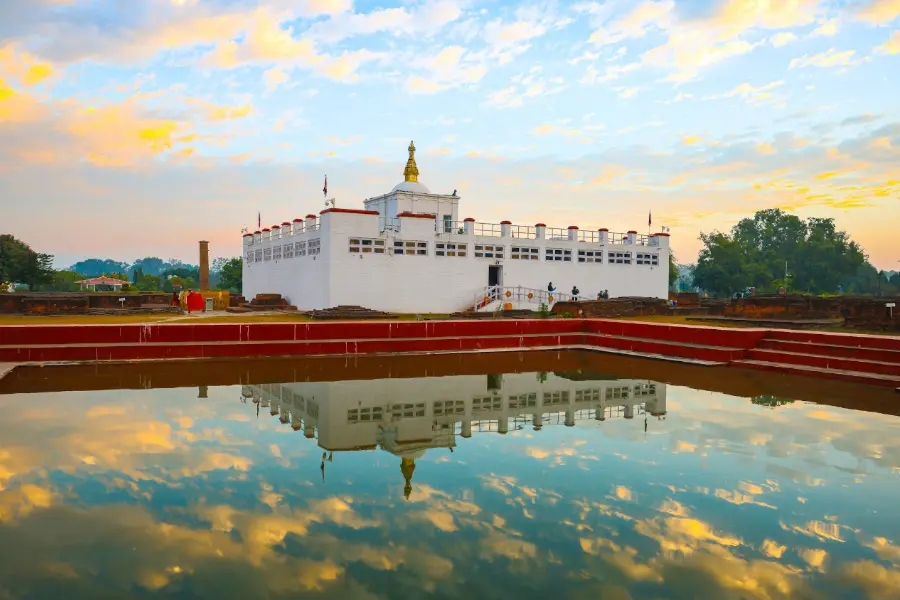
I remember walking barefoot through the quiet gardens of Lumbini just before dawn. A soft breeze passed through the prayer flags. Somewhere, a monk’s bell rang. And for a moment, I understood why so many come here to begin their inner journey.
Lumbini isn’t just a UNESCO site, it’s the very place where Prince Siddhartha was born over 2,600 years ago. According to tradition, his mother, Queen Māyā, gave birth standing under a sal tree while on pilgrimage. Even then, the path was framed by intention, not accident.
What began there wasn’t a religion, but a question: What causes suffering, and how can it end? That question still echoes in the stillness of the Lumbini monastic zone, where pilgrims from dozens of Buddhist traditions come not to agree, but to remember.
UNESCO – Lumbini, the Birthplace of the Lord Buddha
Bodh Gaya: The Silence of Realization
Not far from the banks of the Niranjana River, in the town of Bodh Gaya, Siddhartha sat beneath a fig tree and resolved not to rise until he understood the nature of suffering. Days passed. His mind turned inward, then opened.
What unfolded there was not revelation from a divine voice, but a direct seeing into impermanence, craving, and liberation. He became the Buddha, the Awakened One.
When I visited Bodh Gaya years ago, I saw monks from Tibet, Thailand, Burma, and Bhutan taking turns circumambulating the Mahabodhi Temple. Each brought their own language and robes, yet the devotion felt the same, quiet, humble, unwavering.
This is not a place for tourists. It’s a place for those ready to meet themselves.
Sarnath: When Wisdom Was Shared
After awakening, the Buddha walked to Sarnath, where five former companions were practicing asceticism. There, in the deer park, he offered his first teaching, the Four Noble Truths. In doing so, he turned the Wheel of Dharma, and the Sangha was born.
Unlike modern lectures, this wasn’t an intellectual exercise. It was a compassionate offering. A way to describe a path that anyone, monk or layperson, could walk toward peace.
I always tell our long-stay guests at Boudha Mandala Hotel, if you ever feel ready to hear the Dharma for the first time, read the Dhammacakkappavattana Sutta as if you were sitting among those five. Then listen to your breath.
Britannica – Origin and Spread of Buddhism
From India and Nepal, the Path Blossomed Outward
Buddhism did not remain local. Within a few centuries, the teachings traveled, carried not by conquest, but by monks on foot, pilgrims with alms bowls, and hearts stirred by compassion.
Emperor Ashoka played a critical role, sending emissaries across Asia. In Sri Lanka, Buddhism became deeply rooted as Theravāda. In Tibet, it flourished through ritual and tantric practice. In China, it blended with local thought to give birth to Chan (Zen). In Japan, it became embedded in art, tea, and temple life.
Yet the heart of it all still pulses in three places: Lumbini, Bodh Gaya, and Sarnath. Not as monuments to the past, but as mirrors for the present.
Why These Origins Matter Today
For many spiritual seekers today, Buddhism begins with a book, a retreat, or a YouTube talk. But something changes when you connect to its physical beginnings.
To stand where the Buddha walked is to see the teachings not as abstract ideas, but as lived truths. The silence of Bodh Gaya is not metaphor. It’s palpable. The morning chants in Lumbini are not performance. They are remembrance.
Whether you’re a pilgrim, a digital nomad seeking clarity, or someone simply longing for inner stability, the origins of Buddhism invite you to pause. To step out of theory and back into place. Into ground. Into being.
FAQs
Q1: Where did Buddhism begin?
A: Buddhism began in Lumbini, in present-day Nepal, with the birth of Siddhartha Gautama in the 6th century BCE. He later attained enlightenment in Bodh Gaya, India.
Q2: What are the key places tied to early Buddhism?
A: Lumbini (birth), Bodh Gaya (awakening), Sarnath (first teaching), and Kushinagar (passing into parinirvana). These form the core pilgrimage sites of Buddhism.
Q3: Was Buddhism always a religion?
A: No. It began as a path of liberation. The Buddha offered tools, mindfulness, ethics, meditation, for awakening, not worship.
Q4: Can I visit these places today?
A: Yes. Each is a maintained pilgrimage site. Lumbini and Bodh Gaya are especially vibrant with global monastic communities and daily rituals.
Q5: How does knowing the origin help my practice?
A: It roots your understanding. The teachings become not just philosophy, but part of the human journey, shaped by place, time, and silence.
Looking for a Place to Reflect on the Buddhist Path?
Just 10 seconds from the great stupa of Boudhanath lies a quiet space held with care. At Boudha Mandala Hotel, we host those who seek more than a room. We host those seeking refuge, rhythm, and return.
Whether you’re a pilgrim retracing the Buddha’s footsteps or a mindful traveler looking for a peaceful hotel near Boudha, let us be your base. Our stupa-view rooms, calm café, and retreat-like quiet offer more than comfort, they offer belonging.
You’re always welcome to begin again.