
Walking is the easiest way to see the real Kathmandu because the city reveals its stories slowly, and most of those stories hide in small lanes, courtyards, and everyday routines that cars never reach. Travelers often arrive thinking they’ll rely on taxis or guides, but the best moments appear when you’re moving at your own pace, taking in details you would miss at road speed.
How does walking help travelers understand Kathmandu better?
Walking helps travelers understand Kathmandu better because the city’s culture lives in the spaces between busy roads.
You notice small shrines, tea stalls, markets setting up, kids going to school, and rituals happening right on the street. None of this appears when you stay inside vehicles.
Walking reveals
• Local rhythm
• Neighborhood routines
• Real interactions
• Small cultural details
• Places tourists usually miss
Kathmandu becomes more personal when you explore on foot.
Why do Kathmandu’s streets make walking more meaningful than driving?
Kathmandu’s streets make walking more meaningful than driving because the old city was built for feet, not cars.
Many lanes are narrow, curved, or hidden behind markets. They open into quiet courtyards and small squares that feel worlds away from the busy roads nearby.
Walking-friendly spots
• Asan’s back lanes
• Indra Chowk’s side streets
• Hidden courtyards in Patan
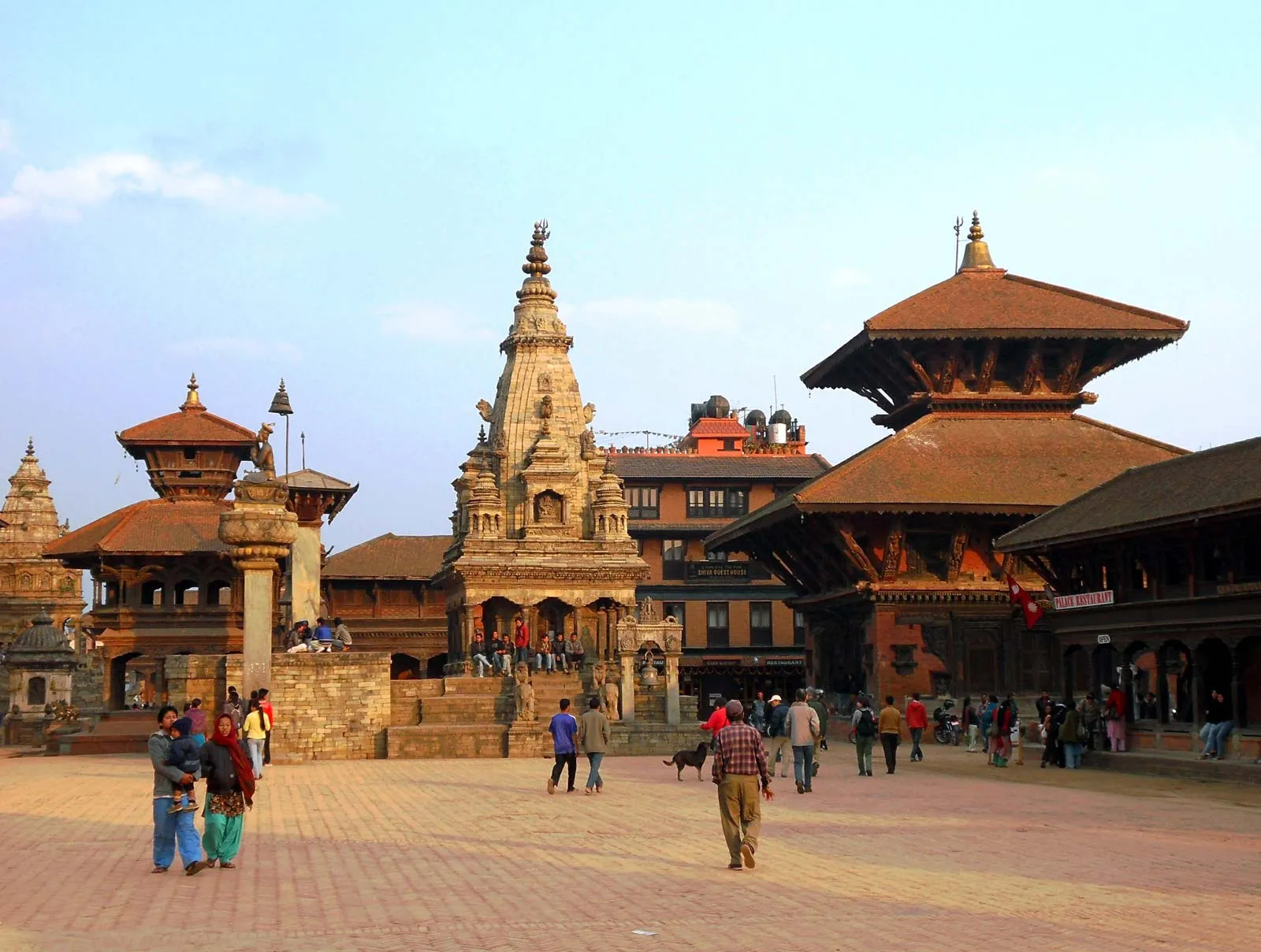
• Old alleys in Bhaktapur
• Monastery paths in Boudha
These places are impossible to appreciate from a car window.
How does walking change the way travelers experience temples and shrines?
Walking changes the way travelers experience temples and shrines by letting you see how people use them in daily life.
Instead of arriving, taking a photo, and leaving, you see real moments happening around them.
What you notice while walking
• People lighting lamps
• Flowers being arranged
• Bells ringing
• Short prayers whispered
• Small rituals happening quietly
These tiny scenes bring the city’s spiritual side into focus.
Why does walking help travelers avoid feeling overwhelmed?
Walking helps travelers avoid feeling overwhelmed because it slows everything down.
Kathmandu’s traffic and noise can feel heavy when you rush. But the moment you step into a calm alley, the whole city softens.
Walking eases travel stress by
• Reducing noise
• Allowing natural breaks
• Helping you find quiet corners
• Keeping your pace gentle
• Showing peaceful routes between busy spots
You control the rhythm instead of letting traffic control it.
Where can travelers find the best walking routes in Kathmandu?
Travelers can find the best walking routes in Kathmandu in older neighborhoods, stupa areas, and market lanes.
These routes feel safe, interesting, and full of character.
Reliable walking areas
• Boudha’s circle around the stupa
• Patan’s old city and courtyards
• Bhaktapur’s heritage squares
• Asan Market’s side lanes
• Small roads around Swayambhu
Each area gives you a different view of the valley’s culture.
How does walking help travelers connect with local life?
Walking helps travelers connect with local life because you share the same space as the people who live here.
You see where they shop, how they move, where they pause, and what they value.
Local life you notice on foot
• Tea stalls full of morning conversations
• Street vendors arranging vegetables
• Tailors working by open doors
• Kids running to school with snacks
• Neighbors greeting each other
These moments create real connection, even without words.
Why does walking make food exploration easier?
Walking makes food exploration easier because snack stalls, tea shops, and small eateries appear naturally along your path.
You don’t need to search. You just stop when something smells good or looks interesting.
Food moments while walking
• A fresh samosa from a small counter
• Milk tea from a street shop
• Warm bread near Boudha
• Thukpa in a hidden lane
• Sweet yogurt from Bhaktapur
Walking turns food into small adventures.
How can travelers walk confidently in Kathmandu without getting lost?
Travelers can walk confidently in Kathmandu without getting lost by using landmarks, short routes, and simple navigation habits.
Most neighborhoods form loops, so even wrong turns lead back to familiar places.
Easy ways to stay oriented
• Follow major temples or stupas
• Note the direction of main roads
• Ask shopkeepers if unsure
• Keep maps for reference
• Walk slowly and observe landmarks
People in Kathmandu are helpful when you need directions.
How can walking improve the emotional experience of the city?
Walking improves the emotional experience of the city by letting you settle into its rhythm rather than fighting against it.
You see beauty in small movements, calm corners, and simple daily actions.
Walking creates
• A sense of grounding
• Moments of peace
• Better understanding of culture
• A steady pace that feels good
• A deeper appreciation for neighborhoods
Walking shows you the real Kathmandu, not the rushed version.
Why is Boudha Mandala Hotel a helpful base for travelers who love walking?
Boudha Mandala Hotel is a helpful base for travelers who love walking because the neighborhood around the stupa is one of the calmest, safest, and most walkable areas in Kathmandu.
You can explore monasteries, tea shops, quiet lanes, and local markets on foot within minutes.
Why the location works
• Two minute walk to Boudhanath Stupa
• Easy routes through peaceful alleys
• Quick access to taxis for longer walks elsewhere
• Calm mornings for starting your day
• A quiet place to return after long walks
For travelers who explore slowly and enjoy seeing real life up close, Boudha is the perfect starting point.