Key Takeaways
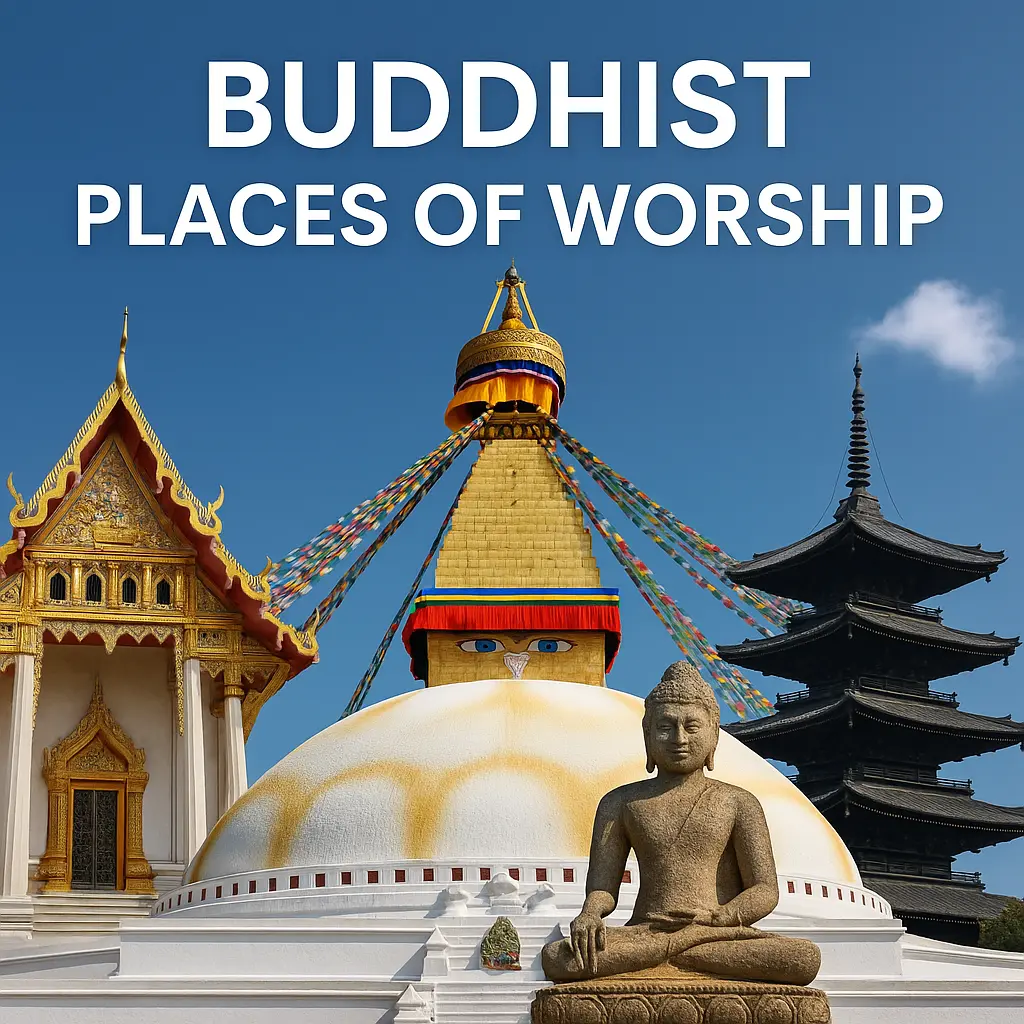
• Buddhist places of worship include monasteries (viharas, gompas), stupas, pagodas, temples (wats), and home altars
• These spaces are less about formal ritual, more about creating environments for meditation, generosity, and ethical living
• Different Buddhist traditions shape their spaces uniquely, but all encourage mindfulness and reflection
• Symbolic architecture, statues, offerings, and silence define these sacred spaces
• Famous worship sites like Boudhanath Stupa, Mahabodhi Temple, and Shwedagon Pagoda continue to serve as spiritual hubs
• Buddhist hospitality welcomes everyone with stillness, presence, and quiet belonging
What Is the Main Place of Worship in Buddhism?
In Buddhism, worship is not confined to a single building or weekly gathering. It is woven into daily life and inner experience. That said, most traditions gather around physical spaces where teachings can be heard, meditation practiced, and offerings made.
The most common public spaces for this are monasteries, often called viharas in Theravāda Buddhism or gompas in Tibetan Vajrayāna tradition. These monasteries typically include a shrine room with Buddha images, accommodation for monastics, and areas for group practice.
Rather than emphasizing worship as a formal act, Buddhism treats these spaces as environments that support the cultivation of the mind and heart. Even in the most ornate temples, the invitation is inward.
Core Types of Buddhist Worship Spaces
Monasteries (Viharas and Gompas)
Monasteries are the spiritual centers of Buddhist communities. They serve as homes for monks and nuns, but also as places for laypeople to study, receive teachings, and engage in devotional practices.
In Kathmandu, especially around Boudha, monasteries like Shechen and Ka-Nying are open to visitors for early morning chants or evening pujas. Inside, you’ll find altars adorned with statues, butter lamps, and ritual implements, yet the most powerful presence is often the silence between the rituals.
Stupas and Pagodas
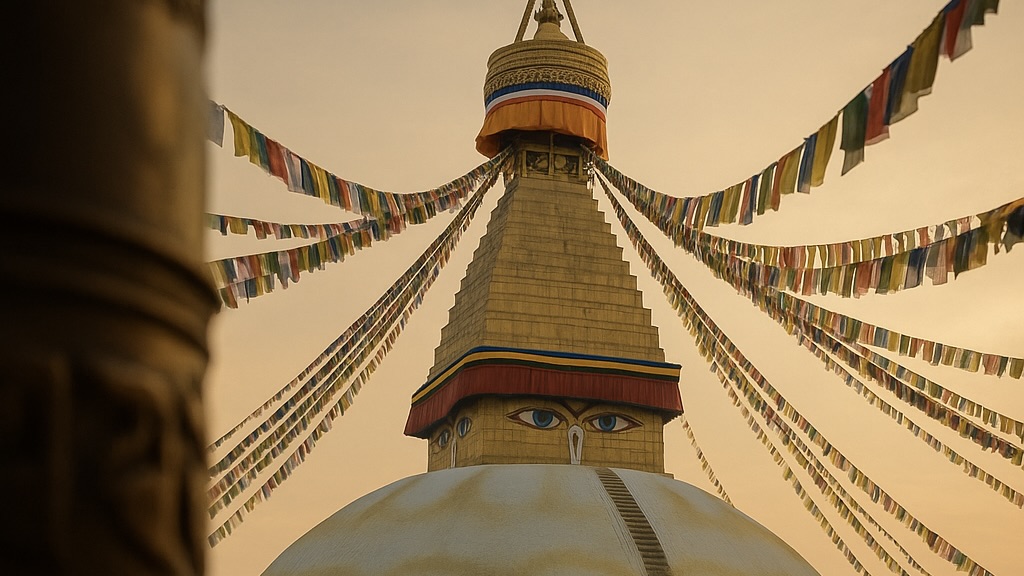
The stupa is one of the oldest and most iconic forms of Buddhist sacred architecture. Shaped like a dome and often housing relics or scriptures, stupas represent the awakened mind of the Buddha. Devotees walk around them clockwise in meditative reflection, sometimes chanting quietly.
In East Asian countries, the stupa evolved into the pagoda, a vertical, multi-tiered structure that still carries the essence of Buddhist symbolism while adapting to local aesthetics.
Boudhanath Stupa in Nepal, Shwedagon Pagoda in Myanmar, and Sanchi Stupa in India are among the most spiritually vibrant of these forms.
Temples and Wats
In Southeast Asia, Buddhist temples are often part of a wat, which is more than a single building. It’s a complex that may include a teaching hall, meditation spaces, stupas, and monks’ quarters. These temples often feature bright murals, golden statues, and expansive courtyards filled with light and incense.
Temples in Thailand, Laos, and Cambodia reflect a deep blend of cultural artistry and spiritual symbolism, but always center around the teachings of the Buddha and the practice of mindfulness.
Home Altars and Personal Shrines
Many lay Buddhists maintain simple altars at home. These spaces are deeply personal, often including a Buddha image, a candle or butter lamp, fresh flowers, and offerings of water or fruit.
The practice of maintaining a home altar reflects the belief that awakening is not confined to a monastery, and that every home can become a sacred space.
What Do All Buddhist Worship Spaces Have in Common?
Despite differences in region and tradition, certain features consistently appear across Buddhist worship spaces.
Most include a central Buddha image, representing not just reverence for a teacher, but a reminder of one’s own capacity for awakening. Offerings like incense, flowers, and lamps are not given to a deity, but to cultivate generosity and reflect impermanence.
Silence is highly respected. Even in bustling temples, the atmosphere often invites stillness. Architecture is built with symmetry and symbolism in mind, guiding the eye and heart inward.
Prayer wheels and flags, especially in Tibetan regions, offer tactile and visual tools for mindfulness, while the act of circumambulating a stupa helps cultivate meditative attention and purification.
Symbolism Behind the Architecture
Buddhist places of worship are filled with symbolism meant to support contemplation. A stupa, for instance, is a visual map of the path to enlightenment. Its base represents morality, the dome symbolizes concentration, and the spire points toward wisdom and final liberation.
The design of monasteries, temples, and altars is not arbitrary. It is meant to embody the Dharma, not as doctrine, but as environment.
Colors, directions, shapes, and images are arranged with intention, inviting the practitioner to absorb not just the aesthetic, but the meaning behind it.
Important Buddhist Worship Sites Around the World
Some places have carried the spirit of Buddhist worship for centuries and remain active pilgrimage sites today.
Mahabodhi Temple in Bodh Gaya, India, is where the Buddha attained enlightenment beneath the Bodhi tree. It remains one of the holiest sites for Buddhists globally.
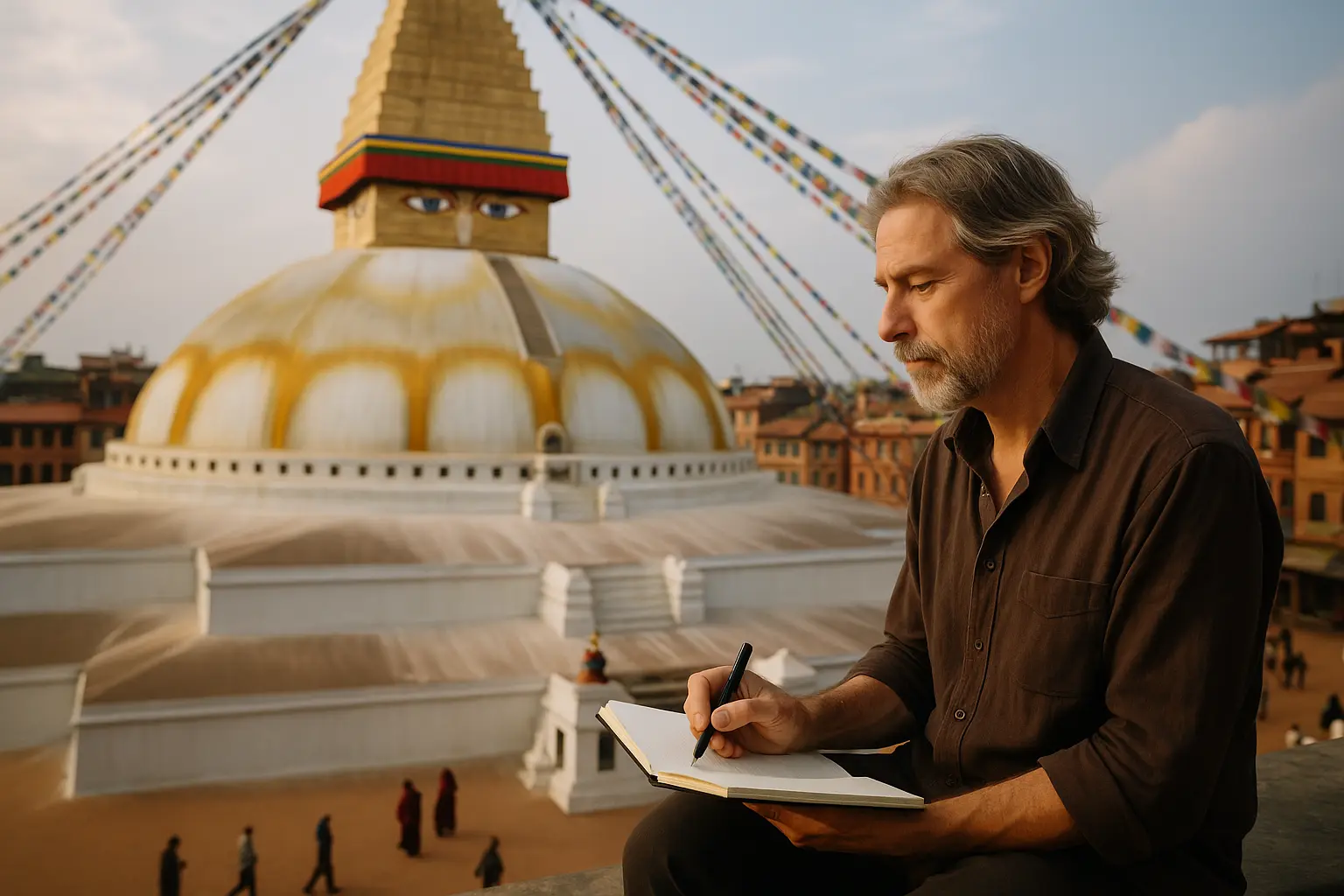
Boudhanath Stupa, in Kathmandu, is surrounded by monasteries and sacred shops, and acts as a daily gathering place for monks, nuns, and spiritual travelers who circle it at sunrise and sunset.
Other examples include the Shwedagon Pagoda in Yangon, Wat Pho in Bangkok, and the cave temples of Ajanta and Ellora in India. Each of these is not just a destination, but a vessel of accumulated devotion.
What It’s Like to Visit a Buddhist Worship Space
Entering a Buddhist temple, monastery, or stupa for the first time often evokes an unexpected emotional response. It’s not about being impressed, but about being invited to slow down.
Shoes are removed not just as a courtesy, but as a way to leave worldly dust behind. The smell of incense, the flicker of butter lamps, the gentle murmur of chanting, all of it pulls you into a rhythm deeper than thought.
Travelers who stay near sacred spaces like Boudhanath often speak of waking with a sense of peace they hadn’t expected. Many begin offering small gestures, flowers on an altar, a few minutes of meditation each morning, not because they are told to, but because the space itself calls for it.
At Boudha Mandala Hotel, which sits just seconds from the stupa, guests often describe the experience not as staying in a hotel, but as living inside a pilgrimage.
Final Thoughts
The place of worship in Buddhism is not defined by walls or rituals. It is defined by what happens to your heart when you enter.
Whether you’re lighting incense at a village stupa, sitting silently in a Himalayan gompa, or bowing before a modest home altar, you are practicing the Dharma.
And the real sacred space, the Buddha always said, is within.
A Place to Stay, Close to the Sacred
If you’re seeking a space where silence feels alive and devotion is part of the air, Boudha Mandala Hotel offers:
• Rooms with direct views of the Boudhanath Stupa
• Long-stay apartments for retreats or spiritual sabbaticals
• A quiet café with nourishing meals and peaceful corners
• Easy access to monasteries, teachings, and rituals
More than just a place to sleep, it is a space where the sacred becomes part of your everyday rhythm.