Why the Kathmandu Valley Forces You to Slow Down and Notice Everything

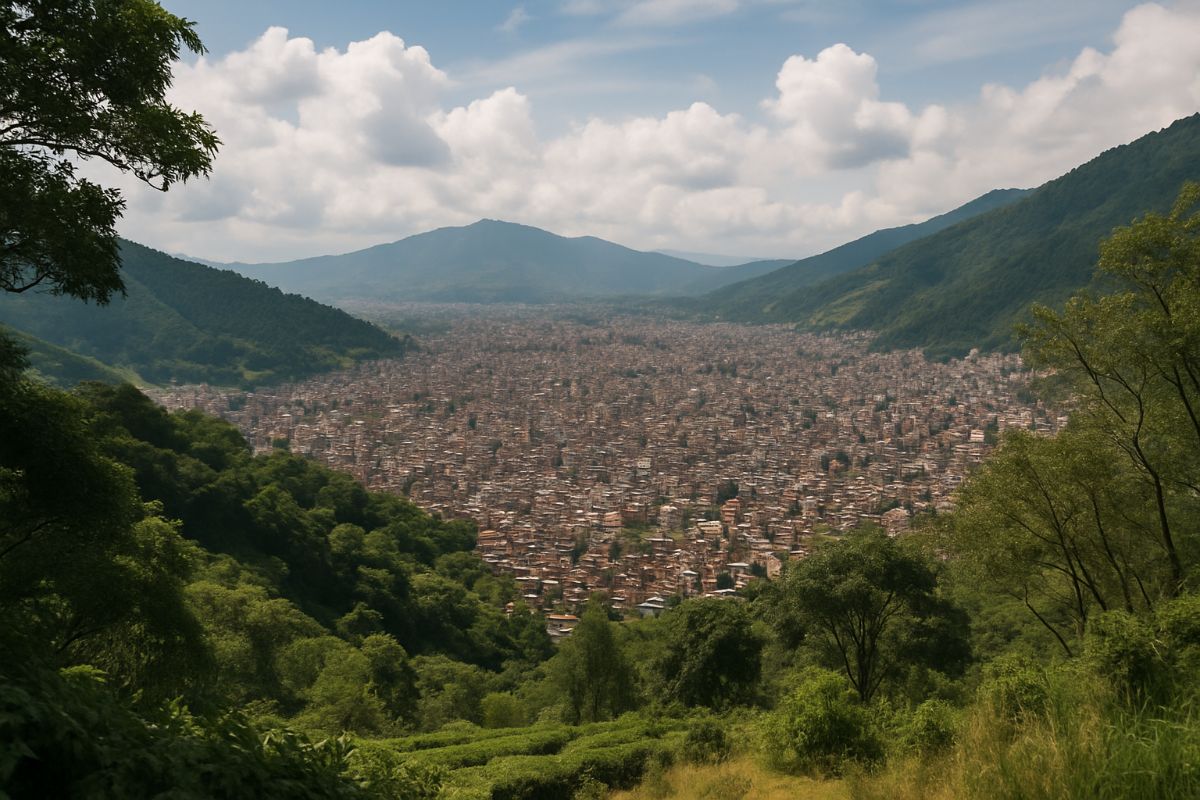
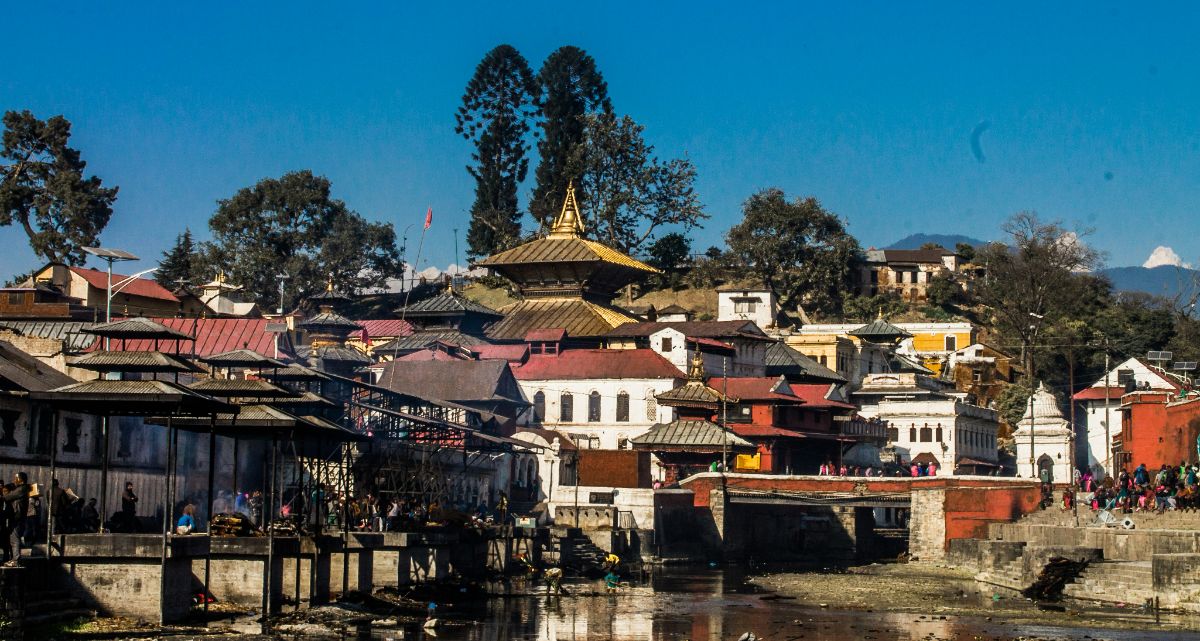
The Kathmandu Valley doesn’t reward speed. It rewards attention. Travelers who rush through it often leave confused or tired. Those who slow down and notice small things leave changed. This valley doesn’t announce what matters. It quietly waits to see if you’re paying attention.

This is not accidental. The valley has been shaped, lived in, and repeated for centuries in a way that demands awareness rather than efficiency.

Why does the valley feel overwhelming at first?

Because too much is happening at once, and none of it is prioritized for you. Sounds overlap. Smells mix. Streets don’t signal where to look or where to go. There is no clear foreground or background.

Most destinations guide attention with signs, sightlines, and highlights. The Kathmandu Valley does the opposite. Everything exists at the same level. Shrines sit beside shops. Rituals happen next to traffic. Private life spills into public space.

At first, the brain looks for order and doesn’t find it. Attention scatters. Fatigue sets in. This is the valley’s first lesson. You can’t consume it all. You have to choose what to notice.

How does walking change the way you see the valley?

Walking is not just transport here. It’s a way of learning. Streets are narrow, uneven, and rarely straight. You can’t zone out. You step carefully. You adjust constantly.

When you walk, details surface. A woman placing rice at a shrine. A metalworker tapping rhythmically inside a dark shop. A courtyard opening suddenly behind a doorway you almost missed.

Vehicles move too fast for this. Walking trains your eye to look sideways, not forward. That shift changes everything.

Why do small details matter more than landmarks?

Because meaning in the Kathmandu Valley lives in repetition, not spectacle. A single temple is impressive. A hundred small shrines used every day explain how life works.

Travelers who chase highlights often miss the logic of the place. Those who notice daily rituals begin to understand it. Bells at the same hour. Incense replaced each morning. The same path walked again and again.

Attention reveals patterns. Patterns reveal structure. Structure reveals calm.

How do sounds teach you where you are?

Sound is directional here. It tells you what’s happening without asking you to look. Bells signal prayer. Music signals movement. Chanting signals time passing.

You learn to locate yourself through sound. A sudden drumbeat means a procession nearby. A cluster of bells means a shrine. Silence in a courtyard means private space.

Paying attention to sound keeps you oriented in a place where maps often fail.

Why does the valley force you to slow down mentally?

Because nothing resolves instantly. Streets bend. Routes change. Plans dissolve. What you expect to happen often doesn’t.

At first, this feels inefficient. Then something shifts. You stop predicting. You start observing. Waiting becomes watching. Delays become information.

The valley trains patience by refusing to respond to urgency.

How do rituals sharpen awareness?

Rituals happen in public and without warning. They interrupt normal flow. A procession blocks a street. An offering pauses a shop. A prayer redirects attention.

You learn to read subtle cues. Movement slows. People gather. Music starts. Attention shifts collectively.

Once you notice this pattern, rituals stop feeling disruptive. They feel like punctuation. The valley teaches you when to pause and when to move by example.

Why do travelers feel more present here than elsewhere?

Because the valley doesn’t allow autopilot. You can’t move through it unconsciously for long. You have to look where you step. You have to read faces. You have to listen.

Presence becomes practical. Not spiritual. Not performative. Simply necessary.

This is why many travelers feel strangely grounded here, even amid noise and crowds. Attention anchors you.

How does this change the way travelers see themselves?

Paying attention changes behavior. You speak less. You watch more. You interrupt less. You react slower.

Many travelers realize how conditioned they are to speed, efficiency, and constant stimulation. The valley gently exposes that habit without judgment.

You don’t conquer the Kathmandu Valley. You adapt to it.

What happens when you stop trying to understand everything?

Understanding arrives anyway. Quietly. Not through explanation, but through familiarity. The same corner passed three times. The same sound heard each morning. The same rhythm repeating.

This is when the valley opens up. Not visually, but internally.

Attention turns confusion into coherence.

Why does this stay with travelers long after they leave?

Because attention reshapes memory. You don’t remember lists. You remember moments. The smell of incense at dusk. A bell you heard daily. The way streets felt alive but never hostile.

The Kathmandu Valley doesn’t give you a story to tell. It gives you a way of noticing that lingers long after the trip ends.

Staying somewhere calm helps travelers settle into this pace, and places like Boudha Mandala Hotel offer a quiet base while remaining connected to the everyday life of the Kathmandu Valley.
How the Country’s Tourism Industry Is Rebounding After the Gen-Z Protests

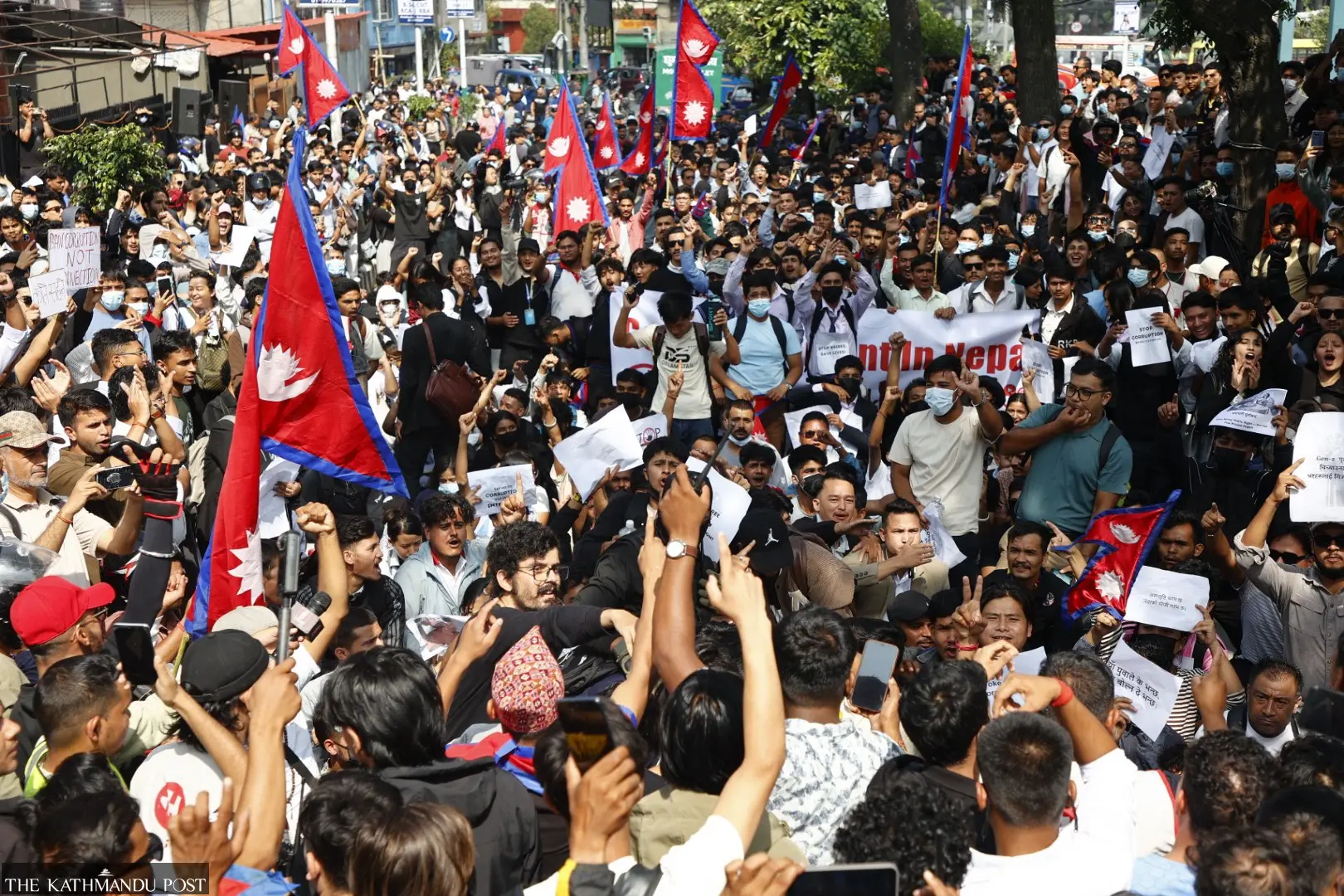
When fire rose over Singha Durbar and the streets of Kathmandu filled with chants for justice, the world held its breath. News headlines flashed with images of unrest and anger, the kind that make travelers hesitate and tour operators brace for cancellations. But behind the smoke and headlines, another story quietly unfolded one of resilience, reassurance, and remarkable recovery.

Key Takeaways
• No tourists were harmed during the recent Gen-Z protests, Nepal remains a safe and welcoming destination.
• The tourism industry faced damages exceeding $187 million, yet visitor arrivals continue to rise steadily.
• Trekking routes, flights, and hotels across the country are open and operating normally.
• A powerful diaspora movement and local resilience are driving Nepal’s tourism comeback.

“No Tourists Were Harmed” A Message That Matters

At a recent community event in New York, Nepal’s Consul General, Dadhiram Bhandari, stood before members of the Nepali diaspora with a clear message: “No tourists were harmed during the recent protests. Nepal is safe to visit.”

This wasn’t just diplomacy. It was a lifeline for an industry that has endured more challenges than most nations could imagine. From the 2015 earthquake to the pandemic, Nepal’s travel sector has always found a way to rise again. And this time, even as Gen-Z-led protests rocked the country, that same spirit of endurance returned in full force.

A Nation at a Crossroads

The protests that began in early September 2025 weren’t about tourism, they were about transformation. Sparked by frustration over corruption, inequality, and a sweeping ban on social media platforms, thousands of young Nepalis poured into the streets demanding change.

But even amid the chaos, something remarkable happened: the protests never turned against visitors. Around 15,000 foreign tourists were in the country at the time, trekking the Annapurna trails, exploring Chitwan’s jungles, and sipping coffee in Pokhara’s lakeside cafés. Not one was targeted or harmed.

While the capital city saw tense moments roadblocks, curfews, and the tragic loss of over 76 lives most of Nepal continued its rhythm of normal life. The mountains remained calm, the monasteries continued their chants, and locals, ever warm-hearted, helped travelers navigate safely through uncertain days.

The Hit and the Hope

Of course, the industry took a financial blow. The Hotel Association of Nepal reported damages exceeding $187 million, with about two dozen hotels vandalized or looted. The Hilton in Kathmandu alone faced losses of over $60 million. For a sector just regaining momentum after years of setbacks, it felt like another cruel test.

And yet optimism endures. In September alone, 78,711 foreign visitors entered Nepal, including nearly 10,000 Americans. That’s fewer than last year, yes, but higher than many expected after the unrest. Many were members of the Nepali diaspora returning home for Dashain and Tihar a subtle but powerful show of faith in their homeland.

Life After the Protests: Calm, Open, and Ready

Fast-forward to today, and the reality on the ground tells a very different story from the sensational headlines.

• Trekking routes like Everest Base Camp, Langtang, and Annapurna are open and operating normally.
• Airports and domestic flights are running smoothly.
• Hotels and restaurants outside protest zones are buzzing again, their doors wide open to travelers.
• Curfews are lifted, and city life in Kathmandu is back to its vibrant self, with just a few government buildings still under repair.

Tour guides report that most disruptions were logistical not dangerous. “Tourists faced delays, not danger,” says one Kathmandu-based operator. “Even during the peak of the protests, our guests were safe locals made sure of it.”

Diaspora Power: Promoting Nepal’s Positivity

Consul General Bhandari’s call to the Nepali diaspora was more than symbolic. Across social media, travel blogs, and community events, Nepalis abroad are amplifying a unified message: Nepal is open, safe, and as breathtaking as ever.

From trekking companies offering flexible rebooking options to influencers sharing serene mountain footage with hashtags like SafeNepal and VisitNepalNow, a grassroots movement is rebuilding global confidence one post at a time.

Lessons From the Crisis

The Gen-Z protests were a turning point not just politically, but socially. They reflected a younger generation’s demand for transparency and opportunity, values that resonate with travelers seeking authenticity and connection.

For the tourism industry, this moment underscored vital lessons:

• Transparency builds trust. Honest updates and quick communication from tour operators helped avoid panic.
• Resilience is Nepal’s brand. After earthquakes, pandemics, and protests, Nepal’s ability to bounce back is part of what makes it unforgettable.
• Community matters. From locals guiding tourists to safety to diaspora members promoting Nepal abroad unity became the country’s greatest strength.

Why You Should Visit Now

If you’ve been wondering whether it’s the right time to visit Nepal, here’s the truth: it’s the perfect time.

By coming now, you don’t just enjoy serene trails and timeless temples you become part of Nepal’s recovery story. You help a guide pay his staff again, a hotel reopens its doors, and a nation remind the world of its unshakable hospitality.

The mountains are still waiting. The prayer flags still flutter. And the people, ever warm and welcoming, are ready to greet travelers with open hearts and fresh hope.

Frequently Asked Questions (FAQs)

Q: Is Nepal safe for tourists now after the protests?

A: Yes. The unrest was largely concentrated in parts of Kathmandu, and major tourist areas including trekking routes, national parks, and cities like Pokhara were not affected. The situation has stabilized, and tourism operations (flights, hotels, tours) are running normally.

Q: Are trekking routes like Everest, Annapurna, and Langtang open and safe?

A: Absolutely. These trails were never fully shut down by protest-related disruptions. Guides report that while some logistical delays happened in Kathmandu, the mountain areas remained peaceful and accessible.

Q: Should travelers avoid Kathmandu (or certain areas) because of unrest?

A: You don’t need to avoid Kathmandu altogether. Most parts are open and busy again but exercising caution in proximity to political or governmental zones is wise. Avoid protests or mass gatherings, and follow local guidance.

Q: What precautions should I take when traveling in Nepal now?

A:Stay informed via trustworthy sources and local news updates.
Avoid protest zones and demonstrations.
Confirm bookings and schedules with tour operators before heading out.
Carry travel insurance that covers emergency evacuation.
Be mindful of altitude, health, and road/transport conditions.

Q: Will my visit help Nepal’s recovery?*

A: Yes, your travel dollars matter. Every trek booked, every meal eaten, and every hotel night stayed helps local guides, staff, and small businesses reemerge. Visiting now is a meaningful way to support the tourism sector’s rebound.

Final Thought:

Nepal’s Gen-Z protests may have shaken its streets, but not its spirit. Today, that same spirit stands tall, stronger, braver, and smiling inviting the world to come see beyond the headlines.
Because in Nepal, even after the storm, the view is always worth the climb.

Famous People Who Visited Boudha: The Sacred Draw of Kathmandu’s Spiritual Heart

Key Takeaways:

Boudhanath Stupa isn’t just sacred ground for locals; its peaceful energy and spiritual magnetism have drawn famous visitors, from globally revered spiritual leaders to Hollywood actors and renowned writers. Their journeys reflect the universal appeal of Boudha’s quiet stillness and spiritual depth.

Introduction

If you’ve ever walked the quiet morning kora around Boudhanath Stupa, you understand why people travel from around the world to experience its sacred peace. But you might not realize just how many well-known spiritual leaders, Hollywood stars, and renowned thinkers have quietly walked this same path.

Boudha doesn’t shout about its famous visitors. Instead, it quietly draws them in. Here, celebrity status fades away; the stupa sees all equally, through the compassionate eyes of the Buddha painted on its golden spire.

Let’s explore the stories behind some of the most famous people who have quietly found their way here.

His Holiness the 14th Dalai Lama: Spiritual Influence in Boudha

While the Dalai Lama himself rarely visits Nepal due to political sensitivities, his spiritual influence deeply permeates Boudhanath.

Many monasteries surrounding the stupa follow his teachings closely, and several prominent disciples have taught here regularly. The essence of compassion he embodies resonates throughout Boudhanath.

In a sense, even without frequent physical visits, the Dalai Lama’s spirit is ever-present in Boudha, making the stupa feel like an extension of his compassionate heart.

Richard Gere: Actor Turned Devotee

Hollywood star Richard Gere is known not just for his acting but for his profound dedication to Tibetan Buddhism. Gere has visited Nepal multiple times, quietly spending time around Boudhanath’s circle, engaging in meditation, and learning from prominent Tibetan teachers in the area.

He once mentioned in an interview that places like Boudha provide the grounding necessary for true spiritual reflection. For Gere, the stupa isn’t a tourist attraction; it’s a refuge of presence.

Keanu Reeves and “Little Buddha”: The Hollywood Connection

Many visitors to Kathmandu know about the film Little Buddha, directed by Bernardo Bertolucci, starring Keanu Reeves as Siddhartha. While filming in Nepal, Reeves reportedly spent quiet moments near Boudhanath, drawn by its peaceful aura.

Though Reeves hasn’t spoken extensively about his personal spiritual beliefs, locals remember his visit fondly. His respectful demeanor and genuine interest in Nepal’s spiritual heritage left a positive impression around Boudha.

Renowned Tibetan Buddhist Masters: Chökyi Nyima and Tsoknyi Rinpoche

While perhaps not household names everywhere, teachers like Chökyi Nyima Rinpoche and Tsoknyi Rinpoche are revered globally among spiritual seekers. Their frequent teachings and meditation retreats at monasteries surrounding Boudha attract international artists, writers, and practitioners who seek depth, wisdom, and creative inspiration.

When you walk around Boudha, you might be sitting next to students who have traveled thousands of miles simply to learn from these masters. The quiet presence of these spiritual leaders makes Boudha a true global spiritual destination.

Spiritual Writers and Thinkers: Matthieu Ricard, Robert Thurman, Lama Surya Das

World-renowned Buddhist writer Matthieu Ricard has often spoken of Boudha as a place of profound inner silence, conducive to meditation and compassion. Similarly, Tibetan scholar Robert Thurman and popular author Lama Surya Das have visited and referenced the stupa’s sacred environment in their teachings and writings.

These thinkers have helped popularize Buddhism’s deep stillness and its capacity for spiritual renewal, making it a key pilgrimage point for intellectual and spiritual exploration.

What Brings Them to Boudha?

You might wonder: Why do these accomplished, globally recognized individuals choose Boudhanath? The answer is simple yet profound; it offers something rare in today’s noisy world: true silence, meaningful connection, and spiritual clarity.

Artists come for creative renewal. Actors for authenticity beyond the spotlight. Writers for uninterrupted thought. And monks for genuine spiritual practice.

Here, everyone, famous or not, arrives seeking something deeper.

Staying Near the Stupa: How You Can Walk in Their Footsteps

If you’re drawn to Boudha’s spiritual and creative energy, staying close makes all the difference. Boudha Mandala Hotel is not only steps away from the stupa, it’s perfectly aligned with Boudha’s atmosphere of quiet introspection.

From its rooftop, you can watch the same sunrise that inspired artists and spiritual leaders before you. In its peaceful rooms, you find rest that deepens your practice. And as you walk the early morning kora, you’ll join footsteps left by seekers, saints, and even stars.

Conclusion

Fame might bring people here, but it doesn’t matter much once they arrive. Boudha sees all visitors the same,as pilgrims, seekers, or travelers finding their own quiet path. Whether it’s the Dalai Lama’s teachings resonating in monasteries, Gere’s quiet reverence, or writers’ poetic reflections, the truth is clear:

Boudha isn’t famous because of who visits. It’s beloved because of what it inspires.

Come see for yourself why people from all walks of life, known or unknown, journey here. Perhaps you’ll discover your own quiet inspiration waiting silently beneath prayer flags, among spinning wheels, or in the eyes of strangers circling slowly around the stupa.

Planning your visit to Boudha?

Stay just steps from the sacred stupa at Boudha Mandala Hotel. With peaceful rooms, stupa views, and warm local hospitality, you can experience the same tranquility that’s drawn artists, monks, and famous travelers from across the world.

Best Foods in Kathmandu: A Local’s Guide

Kathmandu has a way of sneaking into your memory through its food. You think you’re just grabbing a quick bite, then suddenly you realize you’re back at the same tiny shop the next day because you can’t stop thinking about the flavor.

If you’re in Boudha, you’re already surrounded by delightful dishes worth seeking out. This guide simplifies your search for the food that locals actually enjoy.

What makes Kathmandu’s food scene special?

Kathmandu’s food scene is special because it blends Nepali, Tibetan, Newari, and Indian influences into dishes that feel comforting, bold, and deeply local.

You’re not dealing with complicated menus or high-skill dining rules. You’re dealing with food that families cook at home, items sold on street corners, and recipes that haven’t changed for centuries. That’s what makes eating in Kathmandu feel grounded and real.

What gives the city its flavor

• Nepali home-style cooking with slow-cooked lentils and rice
• Tibetan dishes around Boudha with warm spices and soft textures
• Newari cuisine that brings fire, crunch, and rich seasoning
• Street snacks sold fresh and fast
• Winter foods that warm your hands and your mood

Now let’s get into the dishes that truly matter.

Momo

Momo is a steamed or fried dumpling filled with meat or vegetables, and they are the most loved snack in Kathmandu.
They’re simple. They’re cheap. They hit the spot at any time of day. People treat momo like a comfort food, which explains why you’ll see a momo shop every few meters.

Types worth trying

• Steamed momos with chicken or buff
• Fried momos with crispy edges
• Jhol momos served in warm spiced broth
• Kothey momos that are half steamed and half pan-fried
• Open momos shaped like little cups

Where they taste best near Boudha

• Small family-run momo shops
• Tibetan restaurants inside the stupa circle
• Cafés around the monastery lanes

Dal Bhat

Dal bhat is a plate of steamed rice, lentil soup, vegetable curry, and pickles, and it fuels daily life in Nepal.

People eat it because it’s filling, balanced, and comforting. It keeps you going whether you’re working at a shop, trekking in the mountains, or exploring the city.

What a typical plate includes:

• Lentil soup poured over rice
• Seasonal vegetables cooked with spices
• Achar made from tomato, radish, or chili
• Optional meat curry
• A refill of anything you want

If you try only one proper Nepali meal in Kathmandu, this should be it.

Newari Cuisine

Newari cuisine is the traditional food of the Newar community in the Kathmandu Valley, and it offers the boldest flavors in the city.

It can be spicy, tangy, smoky, and crunchy all at once. Travelers love it because it feels completely different from ordinary Nepali food.

Newari dishes worth trying

• Yomari, a sweet rice-flour dumpling filled with molasses
• Bara, a soft lentil pancake
• Chatamari, a rice-flour crepe with toppings
• Choila, grilled and spiced meat
• Samay baji, a full traditional set

For many visitors, yomari becomes the surprise favorite.

Tibetan Foods

Tibetan foods near Boudha are worth trying because they reflect the neighborhood’s roots and daily life.

Around the stupa, you hear Tibetan chants, see monks walking to prayer, and smell butter tea drifting from cafés. The food fits that atmosphere perfectly.

Must-try Tibetan dishes

• Thukpa, a warm noodle soup that’s perfect on cooler days
• Shabhaley, fried meat pies with crisp edges
• Tingmo, fluffy steamed bread
• Thenthuk, hand-pulled noodle soup
• Butter tea, salty and rich

You’ll find some of the best Tibetan meals in Kathmandu within a few minutes of the hotel.

What street foods should travelers try in Kathmandu?

Street foods in Kathmandu are worth trying because they give you fast flavor for very little money.

You just need to choose clean, busy stalls. The busiest places usually serve the freshest items.

Street foods to look for

• Pani puri with spicy and tangy fillings
• Chatpate, a crunchy snack mixed with noodles, peanuts, and chili
• Aloo chop, a potato patty with a crispy coating
• Samosas filled with potato and spices
• Sel roti, a sweet ring made from rice batter

Chatpate is the one locals eat when they want something quick and lively.

What sweets should travelers try in Kathmandu?

Kathmandu has several sweets that carry memories for people who grew up here.

They’re not complicated desserts. They’re comforting snacks that families buy on holidays, market days, and long walks.

Local sweets worth tasting

• Juju dhau from Bhaktapur, thick and creamy
• Lal mohan, soft fried dough balls soaked in syrup
• Yomari during festival season
• Barfi made from milk and sugar
• Gudpak, a dense sweet made from khuwa and nuts

What drinks are common in Kathmandu?

Common drinks in Kathmandu include tea, lassi, and traditional butter tea.

You’ll see people sipping tea on balconies, in alleys, in cafés, and outside shops. Tea is practically a break built into everyone’s day.

Popular drinks

• Milk tea simmered with cardamom
• Sweet lassi made from yogurt
• Butter tea in Tibetan restaurants
• Black tea for a lighter option
• Fresh lemonade in warmer months

Tea breaks become one of those small joys during your stay.

What are the best places near Boudha to try these dishes?

The best places near Boudha to try these dishes include Tibetan cafés, small momo shops, and restaurants just outside the stupa circle.

You don’t need to walk far because most of the neighborhood’s best food sits around the main pathway.

Where to eat near the hotel

• Tibetan restaurants inside the stupa circle
• Family kitchens serving dal bhat on the northern side
• Momo shops around the alleyways
• Cafés with rooftop views of the stupa
• Small bakeries selling fresh pastries and tea

Walking around Boudha at mealtime feels like a slow and warm experience.

Why is Boudha Mandala Hotel a key place to stay for food lovers in Kathmandu?

Boudha Mandala Hotel is a helpful base for food lovers because it sits steps away from Tibetan eateries, Nepali kitchens, and street snacks that travelers enjoy.

Guests like starting and ending their days in a calm area filled with real cooking. You aren’t surrounded by chain restaurants or loud commercial streets. You’re surrounded by places with steam rising from momo pots and fresh roti being made through open kitchen windows.

What makes the location ideal

• 2 minute walk to the stupa and its food circle
• Easy access to Tibetan and Nepali meals
• Quiet streets for slow morning walks
• Close to cafés, bakeries, and local eateries
• Short drive to Thamel for more variety

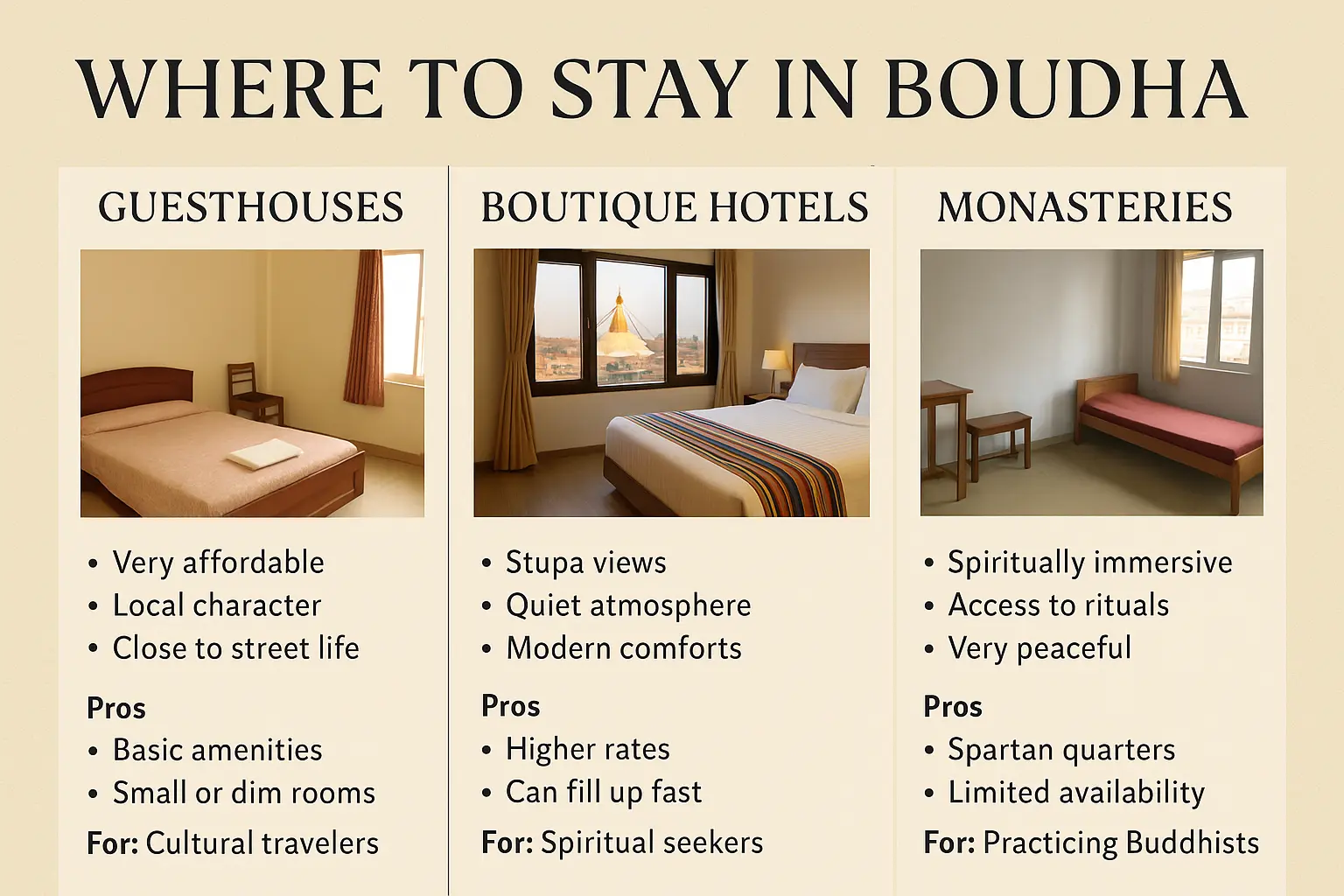
Where to Stay in Boudha: Guesthouses vs Boutique Hotels vs Monasteries

Key Takeaways:

Whether you’re a spiritual seeker, cultural explorer, or digital nomad, Boudha offers more than one way to rest your head. This guide compares guesthouses, boutique hotels, and monasteries based on experience, comfort, and connection, so you can stay where your journey truly begins.

Introduction
If you’re anything like me, you don’t just want a bed, you want a place that breathes with the rhythm of the place you’re visiting. In Boudha, where the great stupa rises like a moon of compassion and the air carries incense and mantra, where you stay matters. Over the years, I’ve stayed in all types of places here, from $10 rooms above a thukpa shop to quiet boutique hotels with sunrise balconies, to the simple, silent rooms in monasteries. Each taught me something different.

This is not a typical accommodation list. This is a guide written from the lanes, rooftops, and retreats of Boudha , to help you choose a stay that supports the purpose of your journey.

Guesthouses

The first time I came to Boudha, I found a guesthouse tucked beside a tiny momo place. The walls were thin, but the smiles were warm. Guesthouses in Boudha are often family-run, simple, and budget-friendly. You’ll wake to the sounds of roosters, bells, and chants,and maybe to the creak of someone walking upstairs.

Pros:
• Very affordable (NPR 1000–3000/night)
• Local character and hospitality
• Close to food stalls and street life

Cons:
• Wi-Fi can be slow or unreliable
• Rooms are often small or dimly lit
• Bathrooms may be shared or very basic

Who it’s for: Cultural travelers on a short stay, backpackers, and those who want a spontaneous local vibe.

Tip: Try asking for a room at the back or on a higher floor to avoid street noise. Some places offer rooftop access even if it’s not listed.

Boutique Hotels: Quiet Comfort, Close to the Sacred

After a few visits, I realized I wanted more stillness. That’s when I found Boudha Mandala Hotel, just 10 seconds from the stupa, yet far enough to feel retreat-like. Boutique hotels in Boudha are small, tastefully designed, and focused on peace. They usually offer fast Wi-Fi, stupa views, in-house breakfast, and clean, quiet rooms.

Pros:
• Stupa-view balconies and rooftops
• Organic food and peaceful cafés
• Ideal for digital nomads, long-stay guests, and spiritual travelers

Cons:
• Higher rates (NPR 4000–12,000/night)
• Fills up quickly during Losar, retreats, or holidays

Who it’s for: Writers, meditators, remote workers, spiritual seekers, and travelers wanting peace without leaving Boudha.

One morning, I watched the stupa from my balcony as monks chanted below. The air was thick with mantra and morning light. No camera could catch it,but I remember the stillness.

Monastery Guest Rooms: Living Inside the Practice

Some monasteries around Boudha offer a few guest rooms. You may not find them online, these stays happen through word of mouth, retreat programs, or quiet asking. They’re often incredibly simple: just a bed, a thin mattress, and a small table. But you’ll fall asleep to evening pujas, and wake to the sound of bells and saffron robes.

Pros:
• Immersive and spiritually grounding
• Access to rituals, ceremonies, and community
• Deeply peaceful and unique

Cons:
• Spartan amenities (shared toilets, no Wi-Fi)
• Language and cultural barriers
• Often require pre-approval or connection

Who it’s for: Practicing Buddhists, long-term retreatants, cultural immersion seekers.

Note: Don’t treat a monastery like a hotel. Respect schedules, silence, and protocols. Bring your own bedding, if needed.

How to Choose Based on Your Intent

If you’re visiting for a few days and want to explore local life, a guesthouse might be perfect. If you’re working remotely or on a solo retreat, a boutique hotel gives the right balance of comfort and access. And if you’re here to deepen your practice, ask about monastery stays through centers like Kopan or Ka-Nying Shedrub Ling.

Ask yourself:
Do I need Wi-Fi or a workspace?, Am I here to work, rest, or practice, How important is food, silence, or community to me?

Your answers will tell you more than any booking site.
Where I Stayed, and What I Recommend. I’ve stayed in a $12 guesthouse above a thanka shop, in a monastery room so quiet it made me weep, and in Boudha Mandala Hotel, where I keep returning because it’s right in between. It’s quiet but close, has fast Wi-Fi and warm food, and feels like it understands why I’m here.

Whether you’re a pilgrim or a digital nomad, Boudha Mandala offers something rare: peace without isolation.

Final Reflection
Boudha isn’t just a place, it’s a rhythm. Where the sound of spinning prayer wheels meets the hush of early morning light. Your stay should honor that.

Where you sleep becomes part of your story. Choose a place that holds you gently, so you can walk the kora with an open heart, rest without worry, and wake up to something more than an alarm clock.

If you’re looking for a peaceful, spiritually grounded place to stay just steps from the stupa, Boudha Mandala Hotel offers long-stay apartments, stupa-view rooms, and a rooftop where you can sip tea while the world turns slowly below.*


*

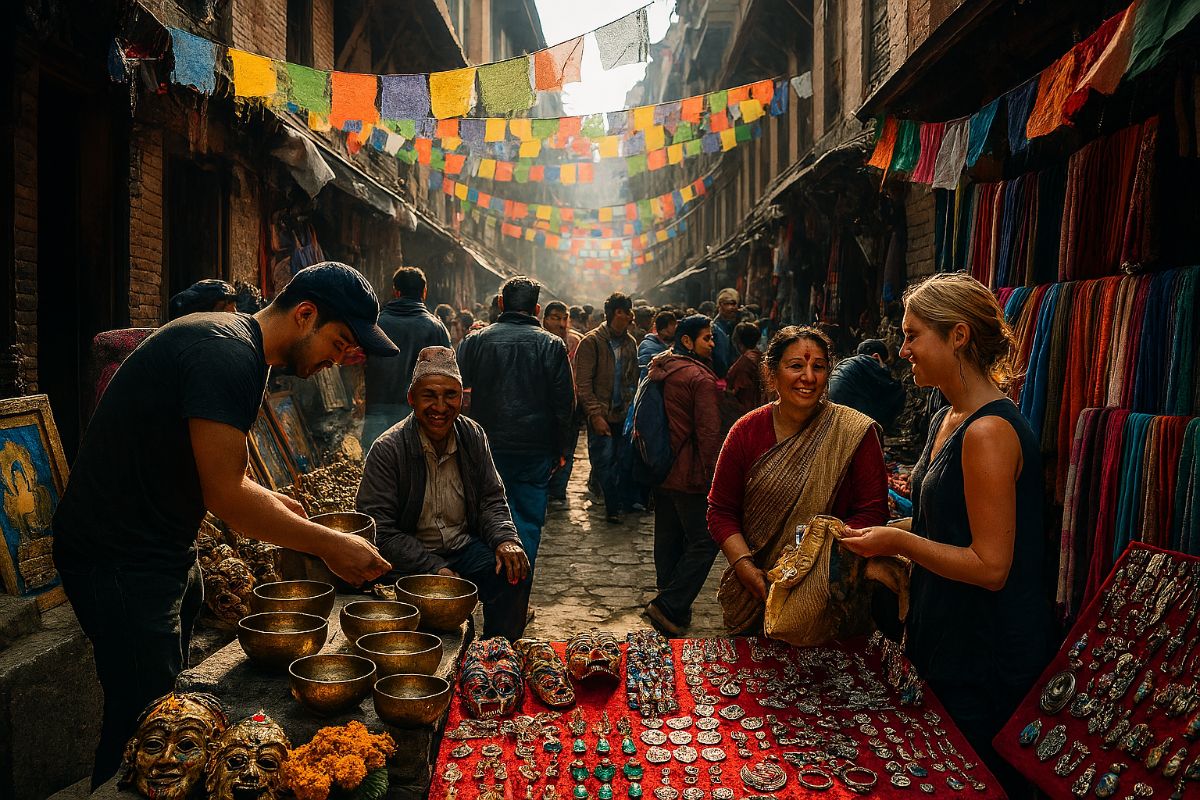
What makes markets in Kathmandu so good for handicrafts and souvenirs?

Markets in Kathmandu are good for handicrafts and souvenirs because many of the items are made by local artists who still rely on traditional methods.

You don’t just see finished products. You often see the process behind them. A man is carving wood outside his shop. Women weaving shawls inside small studios. Artists painting mandalas with slow, steady movements. It feels personal.

Why these markets stand out
• Real Nepal-made items instead of imported copies
• Shops run by artists and families
• Unique pieces you don’t find elsewhere
• Reasonable prices if you ask politely
• Items with cultural meaning or spiritual symbolism

What is Boudha Market and why is it great for hotel guests?

Boudha Market is the most convenient market for hotel guests because it sits around Boudhanath Stupa, only steps from Boudha Mandala Hotel.

The shops sell items tied to Buddhist culture, Tibetan traditions, and local crafts. It’s peaceful to walk around because the stupa creates a calm loop where you can take your time.

What to buy in Boudha ?

• Singing bowls
• Prayer flags
• Tibetan jewelry
• Butter lamps
• Mandala paintings
• Incense and handmade soaps

If you want a market that feels relaxed and easy to browse, start here.

What is Thamel Market known for?

Thamel Market is known for its busy lanes filled with handicrafts, trekking gear, and souvenir shops that stay open from morning until late night.

It has more energy than Boudha. You hear music from cafés, see backpackers bargaining, and pass shops selling everything from scarves to statues.

What to buy in Thamel ?

• Pashmina shawls
• Handmade journals
• Carved wooden masks
• Metal statues
• Felt crafts
• Local spices

If you want variety, Thamel has more than any other area.

What is Asan Bazaar and why do travelers love it?

Asan Bazaar is a historic street market in the heart of old Kathmandu, and travelers love it because it shows daily life alongside traditional goods.

It’s busy, packed with colors and sounds, and the narrow lanes feel like a living museum. You see fresh produce, old temples, spice shops, and small stalls selling handmade items.

What to buy in Asan

• Spices
• Beads and jewelry
• Brass items
• Traditional cooking tools
• Incense
• Festive decorations

Asan feels less touristy, which makes it a favorite for travelers who enjoy authentic local scenes.

What is Patan Market and what makes it unique?

Patan Market is unique because it sits next to Patan Durbar Square, an area known for Newari art, stone carvings, and metalwork.

The shops around Patan often sell items made by artists who specialize in sculptures and traditional crafts. You see metalworkers shaping statues by hand in nearby workshops.

What to buy in Patan

• Stone carvings
• Bronze statues
• Thangka paintings
• Newari crafts
• Handmade jewelry

If you love detailed artistic work, Patan is the place to explore.

What can travelers find in Bhaktapur Market?

Travelers can find pottery, traditional masks, and handmade crafts in Bhaktapur Market, which sits inside a beautifully preserved old city.

Walking through Bhaktapur feels different from the rest of Kathmandu. The brick streets, old wooden windows, and open courtyards give everything a slower pace.

What to buy in Bhaktapur

• Pottery
• Hand-carved masks
• Juju dhau in clay pots
• Wood carvings
• Traditional puppets
• Decorative plates

If you enjoy slow shopping and historic surroundings, Bhaktapur is your ideal stop.

What is Indra Chowk good for?

Indra Chowk is good for buying traditional clothing, glass bead necklaces, and small handcrafted items.

It sits between Asan Bazaar and Kathmandu Durbar Square, so you can visit all three in one outing. The area is tight and busy, but the shopping feels rewarding.

What to buy in Indra Chowk

• Glass bead necklaces
• Traditional Nepali fabrics
• Small silver items
• Hand-knotted strings
• Festive jewelry

If you want something colorful and distinctly Nepali, this is a great place.

Where should travelers go for art and paintings in Kathmandu?

Travelers should go to local art galleries and small studios in Boudha, Patan, and Thamel for high-quality paintings and mandalas.

Artists spend days or weeks on a single canvas. You can watch them work in some studios, which makes the piece feel more personal.

Where to look

• Mandala studios around Boudhanath Stupa
• Small galleries in Patan
• Thangka painting schools near Boudha
• Art shops in Thamel

If you want one special item to take home, art is a meaningful choice.

How can travelers shop respectfully and avoid mistakes?

Travelers can shop respectfully by asking questions kindly, comparing prices, and supporting local artists rather than mass-produced shops.

Shopping in Kathmandu is simple, but a few small habits make the experience smoother.

Helpful tips

• Ask before taking photos inside shops
• Compare prices at two or three places
• Politely negotiate if you feel comfortable
• Check quality on pashmina and metal items
• Support small studios when possible

A little kindness goes a long way, and shopkeepers usually remember friendly guests.

Why is Boudha Mandala Hotel a helpful base for shopping in Kathmandu?

Boudha Mandala Hotel is a helpful base because it sits inside one of the best shopping neighborhoods for Tibetan and Buddhist crafts and gives easy access to the rest of the city.

You can shop in Boudha in the morning, visit Thamel or Asan in the afternoon, and return to a quiet neighborhood in the evening.

Why shoppers like this location

• Steps from Boudhanath Stupa shops
• Quick taxi access to Thamel and Asan
• Close to art studios and mandala painters
• Calm evenings for relaxing after busy markets
• Easy to return to the hotel for breaks between outings

For guests who love handicrafts and meaningful souvenirs, this part of Kathmandu feels like the right home base.

The Secret Side Alleys of Boudha: Hidden Gems for Travelers

There’s a stillness in Boudha that draws you in. But it doesn’t end at the circle of the great stupa. If you follow the soft rustle of prayer flags, the scent of incense drifting from open windows, and the occasional sound of a conch shell calling monks to prayer, you’ll begin to see another Boudha. One that lives quietly, humbly, just beyond the main kora path.

This isn’t a place of signs and schedules. It’s a place of wandering. The alleys of Boudha don’t shout. They whisper. And if you listen closely, they’ll show you something unforgettable.

Why the Side Alleys Matter

While most visitors stay near the main stupa path, locals know where the soul of Boudha truly breathes. It’s in the narrow lanes behind monasteries. In the flicker of a butter lamp seen through a half-open door.

In the quiet rhythm of a nun sweeping her courtyard at dawn.
These side paths are not hidden to those who walk slowly. They reveal themselves with time, with trust, and with presence. This is where devotion lives — not performed, but practiced.

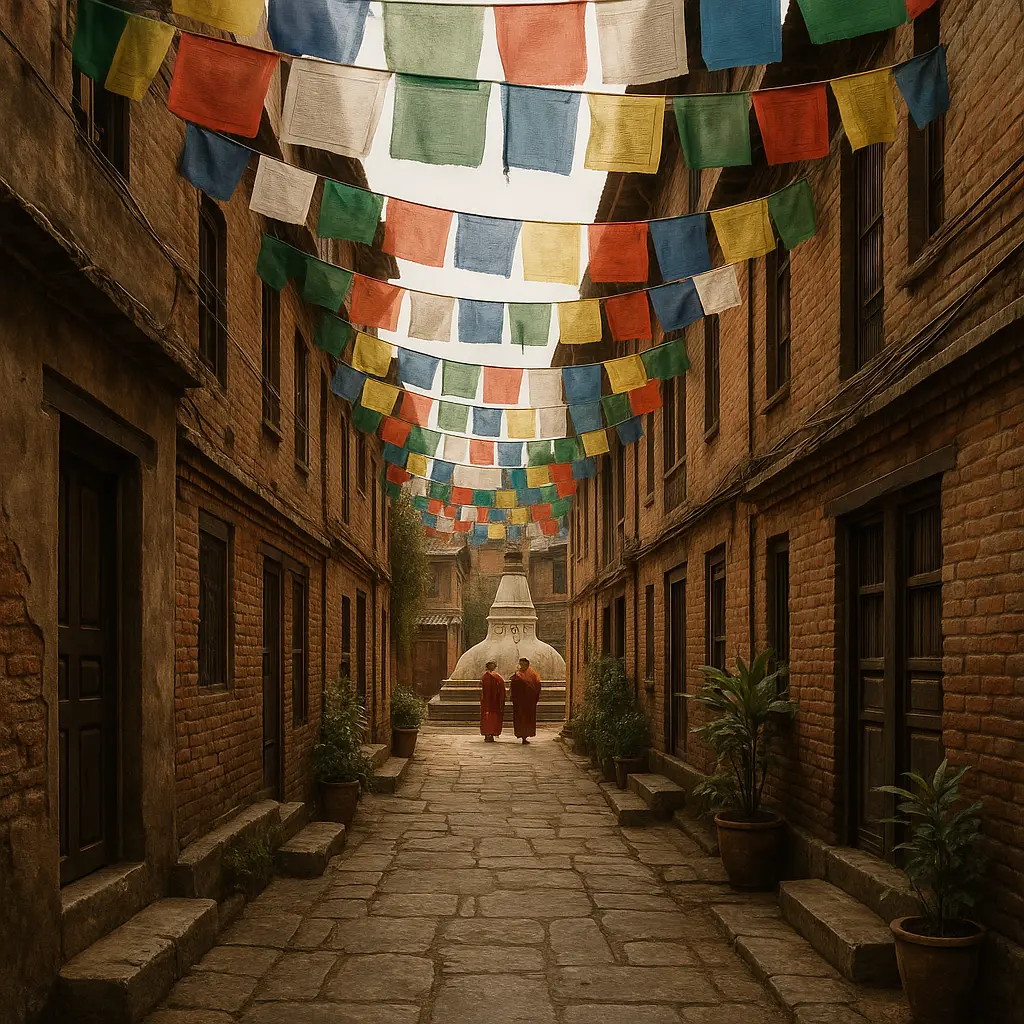
The Prayer-Flag Alley Behind Tamang Gompa

One morning, I followed a monk holding a small bundle of butter lamps into a quiet alley behind Tamang Gompa. What opened before me was a corridor of prayer flags, stretching overhead from rooftop to rooftop, casting colorful shadows on the brick path below.

At the end, I found a tiny courtyard with a stone stupa no taller than my waist. Two nuns were offering incense. One smiled. No words were needed. That moment stayed with me longer than any panoramic photo ever could.

The Left Turn at Lotus Bakery

Everyone knows Lotus Bakery. But few take the left turn just before its entrance.

If you do, you’ll find yourself walking toward a monastery courtyard where birds sing louder than any traffic horn, and the air smells like old wood and saffron robes. On my second visit, I sat there for nearly an hour, not planning to. I had brought a journal, but I didn’t write. I just sat, as bells rang from a nearby puja and a child offered a marigold to a statue.

Sometimes the quietest places say the most.

The Teahouse With No Name

One evening, after a soft rain had washed the dust from the bricks, I wandered into an alley in the northeast corner of the Boudha circle. I was cold, slightly lost, and looking for nothing in particular. That’s when I saw three monks sipping tea inside a small shop with no sign.
The smell of salty butter tea pulled me in. They welcomed me without words, only a nod. The tea was hot, the air was still, and for a moment I forgot I was a traveler. I was just there, present, sipping from a heavy glass mug, sharing space with devotion.

A Secret Rooftop With a Clear View

Not all rooftops in Boudha are listed on TripAdvisor.
One family-run lodge, tucked behind a gift shop near the west side of the stupa, opens its roof only if you ask kindly. I climbed three narrow flights of stairs and emerged onto a small terrace strung with fresh prayer flags. No music, no menu, no crowd.

Just a full, unbroken view of the stupa glowing in the setting sun. Below, the prayer wheels turned with the rhythm of old hands. Beside me, a cat curled up beside a butter lamp. I didn’t take many photos. I didn’t need to.

Wandering as a Spiritual Practice

Boudha is a mandala, not a museum. And just like a mandala, its gifts are found when you let go of structure.

The alleys here don’t follow a plan. Some turn sharply. Some end abruptly. Some open to light, others into shadow. But every corner invites you into deeper presence. To walk with no agenda. To observe without labeling. To feel instead of chase.

It’s a reminder that wandering isn’t the opposite of purpose. Sometimes, it is the purpose.

Why Staying Nearby Changes Everything

To truly uncover the hidden gems of Boudha, you need to stay close.
When you stay at a place like Boudha Mandala Hotel, just 10 seconds from the stupa, the entire neighborhood becomes your backyard. You wake with the monastery bells. You wander out barefoot for morning kora. You meet shopkeepers who start to recognize you not as a guest, but as a neighbor.

It’s this sense of belonging that makes the alleys open up. The slower you go, the more they reveal.

Conclusion
Not every traveler will find these side alleys. Not because they’re hard to reach, but because they ask you to slow down, to notice, to be still enough to see.

So take the unknown turn. Linger a little longer by a closed temple gate. Smile at the stranger sweeping the doorway. And walk as if every step might lead to a hidden shrine.

Because in Boudha, it just might.
If you’re looking for a peaceful, soulful stay while exploring the secret side of Boudha, Boudha Mandala Hotel offers stupa-view rooms, long-stay options, and a calm, retreat-like atmosphere just steps from the circle.

Peaceful Hill Getaways Around Kathmandu That Don’t Need Long Drives

Kathmandu can feel loud and busy, but the hills around the valley offer quick escapes that don’t require long drives or complicated plans. These spots give you fresh air, soft views, quiet trails, and a break from the noise. If you want nature without a full-day trek, there are several hill areas close enough for a simple morning or afternoon trip.

Why are the hills around Kathmandu perfect for quick, peaceful getaways?

The hills around Kathmandu are perfect for quick, peaceful getaways because they are close, quiet, and filled with easy walking paths.

You don’t need special gear or guides. You pick a direction, take a short taxi ride, and enjoy calm scenery faster than most visitors expect.

What makes these hills ideal

• Short travel times
• Beautiful valley views
• Light walking routes
• Fresh air and open space
• Local villages on the way

These places help you reset without leaving the valley.

Which hill near Kathmandu offers the easiest escape?

The hill that offers the easiest escape is Nagarkot, a place known for sunrise views and gentle walking routes.

Nagarkot sits close enough for a short trip but far enough to feel peaceful the moment you arrive.

What you get in Nagarkot

• Wide views of the valley
• Quiet roads for walking
• Easy sunrise points
• Cool air in the morning
• Small cafés along the way

It’s one of the simplest hill getaways for travelers.

What makes Shivapuri a peaceful hill getaway without a long drive?

Shivapuri is a peaceful hill getaway because it sits right above the city but feels like its own world.

You can visit the lower sections without committing to a full hike, and the forested areas feel calm even when the city is busy below.

Why travelers love Shivapuri

• Shaded walking paths
• Fresh, cool air
• Bird sounds instead of traffic
• Monastery routes along the way
• Close access from Kathmandu

The moment you enter the forest, the noise fades.

Which hill area is best for soft village walks near Kathmandu?

The hill area best for soft village walks near Kathmandu is Kirtipur.

Kirtipur sits on a ridge with old houses, small lanes, and gentle slopes that give you culture and views at the same time.

What you’ll find in Kirtipur

• Slow village atmosphere
• Beautiful views of the valley
• Friendly local tea shops
• Traditional homes
• Easy walking routes

You get a mix of history and hills in one place.

Where can travelers go for a peaceful hill walk near monasteries?

Travelers can go to Pharping for a peaceful hill walk near monasteries.

Pharping rests on a hillside filled with monasteries, prayer flags, and quiet paths that lead to spiritual spots.

Pharping highlights

• Calm walking trails
• Beautiful monastery views
• Quiet hillside roads
• Sacred caves and temples
• A slower pace than the city

It’s perfect for walkers who enjoy peaceful surroundings.

Which hilltop near Kathmandu is ideal for sunset without a long trip?

The hilltop ideal for sunset without a long trip is Chandragiri.

You can reach the base easily and take a cable car up, which makes the experience simple even for tired travelers.

Why Chandragiri works well

• Fast access
• Cable car ride with views
• Wide hilltop space
• Clean walking areas
• Beautiful sunset light

It’s one of the easiest high-view spots near Kathmandu.

Where can you find peaceful nature close to the city without hiking far?

You can find peaceful nature close to the city at Tokha Hill.

Tokha sits just above the northern side of the valley and offers open fields, gentle slopes, and calm views.

Tokha features

• Quiet rural paths
• Open green hills
• Short walks
• Fresh breeze
• Great for morning visits

It’s an easy way to escape without a long journey.

How can travelers choose the right hill getaway based on time and energy?

Travelers can choose the right hill getaway by focusing on distance, activity level, and what kind of scenery they want.

Each hill offers a different kind of calm.

Quick guide

• Nagarkot for big views
• Shivapuri for forest quiet
• Kirtipur for village charm
• Pharping for monasteries
• Chandragiri for sunset
• Tokha for easy green spaces

Even a two hour window is enough for some of these.

Why does a peaceful hill escape make your Kathmandu trip better?

A peaceful hill escape makes your Kathmandu trip better because it balances the busy parts of sightseeing with quiet moments.

These breaks refresh your mind and give you a fuller picture of the valley.

Benefits

• Less noise
• Fresh air
• Relaxed walking
• Soft views
• Time to reset

Hills show you a calmer side of Kathmandu.

Why is Boudha Mandala Hotel a helpful base for short hill getaways?

Boudha Mandala Hotel is a helpful base for short hill getaways because it sits on the quieter side of the city, close to roads that lead directly to Nagarkot, Shivapuri, Kirtipur, and other hill areas.

Guests can leave early, avoid heavy traffic, and return to a peaceful neighborhood at the end of the day.

What makes the location convenient

• Quick access to main roads
• Calm mornings for early starts
• Easy taxi arrangements
• Close to northern and eastern hill routes
• A quiet return after nature trips

It makes short, peaceful hill escapes simple and enjoyable.

The History of Boudha: A Sacred Center of Tibetan Buddhism in Kathmandu

Key Takeaways
Boudhanath Stupa in Kathmandu is one of the holiest Buddhist sites in the world and the heart of Tibetan Buddhism in Nepal. Rooted in ancient legends and built during the Licchavi period, it has grown from a simple act of devotion to a sacred monument that holds relics, prayers, and generations of seekers.

After the 1959 Tibetan diaspora, Boudha became a refuge and spiritual center, now surrounded by dozens of monasteries. More than history, Boudha is a living shrine of resilience, faith, and inner peace.

Introduction
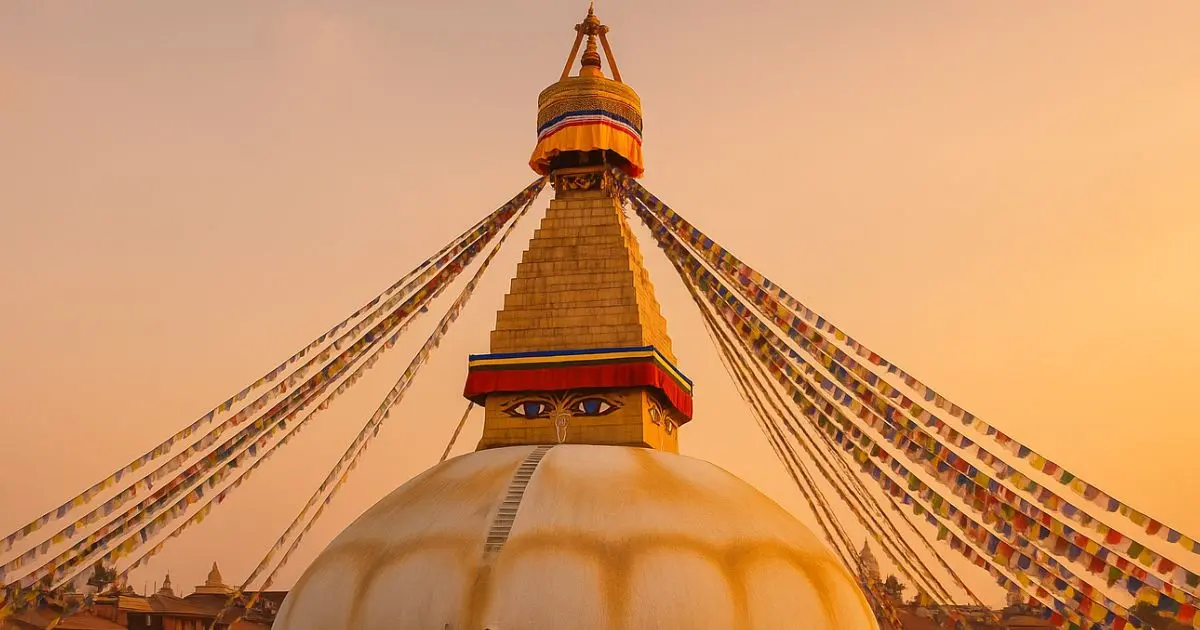
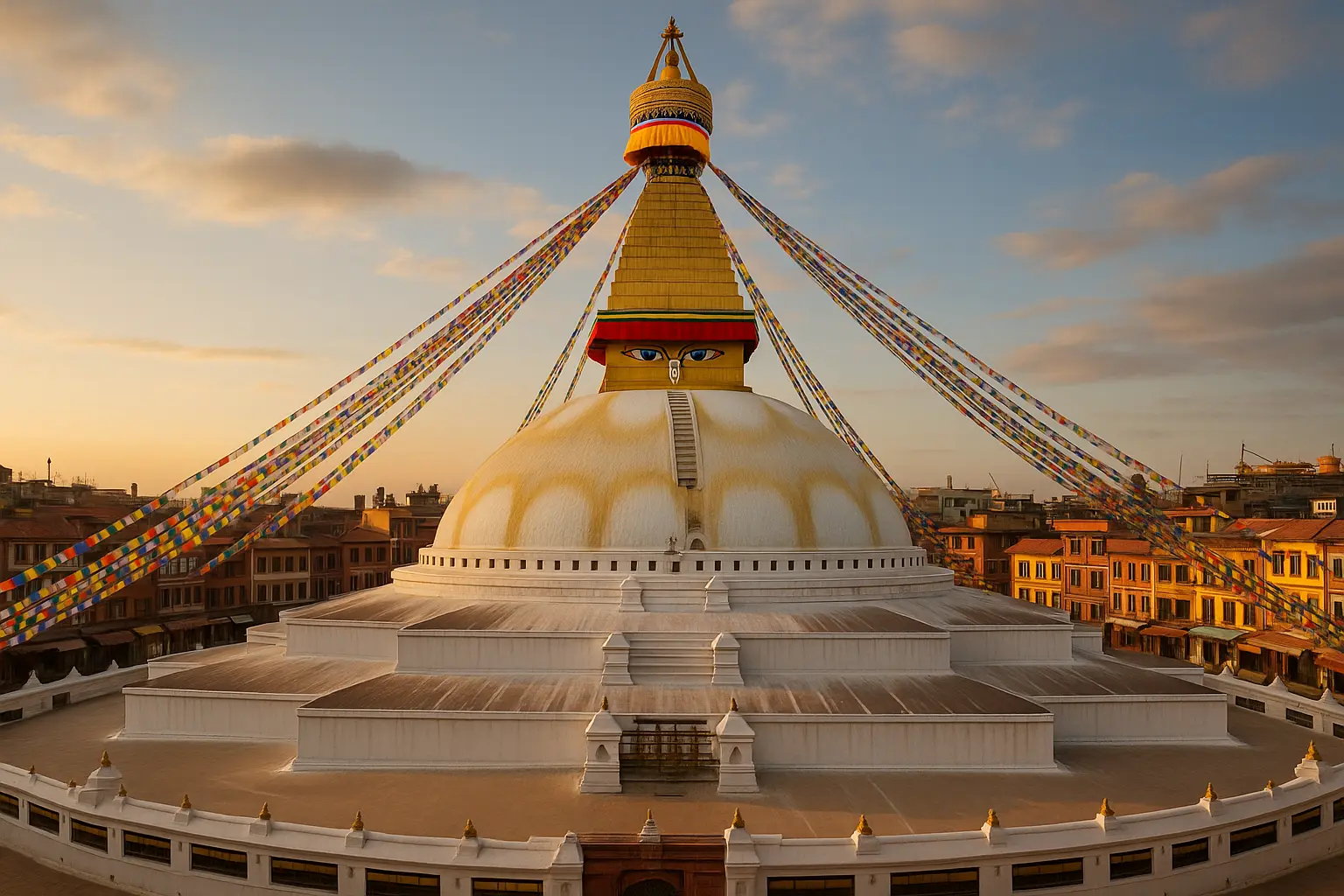
When you walk through the narrow lanes of Boudha and suddenly emerge into the vast circle of sky and stupa, something shifts. The pace of life slows. The air smells like juniper and melted butter. Prayer wheels spin in sync with ancient mantras. And at the center, like a spiritual compass, stands the towering white dome of Boudhanath Stupa.

This isn’t just a monument. It’s a witness to centuries. A sacred pulse in the middle of Kathmandu. Its story is woven with myth, migration, ritual, and quiet resilience. To know Boudha is to understand why the spiritual heartbeat of Tibetan Buddhism continues to echo from this place.

The Legend of a Poultry Keeper: The Mythical Origin

According to Buddhist legend, Boudhanath was built by a humble poultry-keeping woman and her four sons. Moved by faith, she petitioned the king for a small piece of land to build a shrine for the relics of Kassapa Buddha. The king granted her wish, and with love, devotion, and the help of her sons, she constructed what became one of the greatest stupas of the Buddhist world.

This legend continues to live in the local consciousness, a reminder that deep faith, even from someone seen as ordinary, can create something timeless and holy. The stupa is more than a structure; it’s a monument to the power of intention.

Historical Foundations: Licchavi Period and Early Buddhism

Beyond the myth, historical evidence places the construction of Boudhanath during the Licchavi era, around the 5th to 6th century CE. In ancient texts, the stupa was known as Khasti Chaitya , with “Khasti” meaning “dew.” During a long drought, locals are said to have cultivated the land with collected dew to support the construction.

This was a time when Nepal was a vital center of Buddhist learning and trade between India and Tibet. Boudhanath became a sacred stop on early pilgrimage routes. It was, and remains, a powerful representation of the dharma in stone.

A New Chapter: The Tibetan Refugee Era Post-1959

The year 1959 marked a profound transformation for Boudha. After the Chinese invasion of Tibet, thousands of Tibetan refugees crossed the Himalayas and settled in the Boudha area. The stupa, already sacred, became a new spiritual home for a displaced people.

Dozens of Tibetan Buddhist monasteries, including Shechen Monastery, Ka-Nying Shedrub Ling, and Thrangu Tashi Yangtse, were built around the stupa. Each lineage, from Nyingma to Gelug, found space here. The stupa became more than a historical site. It became a living monastery, a center for ritual, community, and the continuation of a threatened tradition.

Even today, Boudha is one of the only places outside Tibet where Tibetan Buddhism thrives so openly and fully.

Boudhanath as a UNESCO World Heritage Site

In 1979, UNESCO declared Boudhanath a World Heritage Site, not just for its architecture, but for its cultural and spiritual value. The stupa is one of the largest spherical stupas in the world. Its design follows a mandala pattern, representing the universe, with the dome symbolizing emptiness, and the 13 spires representing stages toward enlightenment.

After the 2015 earthquake, the stupa suffered significant damage. But the restoration that followed, funded by local monasteries and global Buddhist communities, became a symbol of collective healing and resilience.

Spiritual Importance in Tibetan Vajrayana Practice

Boudhanath isn’t just sacred because of history , it is sacred because of what happens there every single day.

– Circumambulation (kora): Devotees walk clockwise around the stupa while reciting mantras.

– Butter lamp offerings: Symbolic acts of light and wisdom

– Prayer flags: Sending compassion to all directions

– Prostrations: Practiced with full-body devotion, especially during dawn and dusk

It’s believed that walking the kora mindfully purifies lifetimes of karma. For Vajrayana practitioners, Boudha is a place where the veil between seen and unseen feels especially thin.

Festivals and Ritual Rhythms at the Stupa

Some of the most powerful experiences at Boudha come during major Tibetan and Buddhist festivals:

– Losar: Tibetan New Year marked with music, prayer, and color

– Buddha Jayanti: Celebrating the Buddha’s birth, enlightenment, and passing

– Lhabab Duchen: Honoring the Buddha’s return from heavenly realms

These aren’t tourist events. They are living rituals, participated in by monks, nuns, and families. Butter lamps line the base of the stupa. Chanting fills the air. It is devotion in motion.

A Living Pilgrimage Site: Why Boudha Still Matters

In a fast-moving world, Boudhanath remains a place where the sacred slows you down. For many Tibetans and Himalayan Buddhists, visiting Boudha at least once is a lifetime goal. For others, it becomes a daily rhythm , a morning kora, an evening lamp.
The stupa radiates peace not only because of its design, but because of the countless acts of devotion offered here for over 1500 years. It is a center of collective consciousness, a space for refuge, remembrance, and recommitment to the path.

Reflection: The Wisdom Hidden in the Stones

I remember sitting on a rooftop café one dusky evening, sipping salt-butter tea while watching hundreds of butter lamps flicker around the stupa. An old monk passed by below, spinning a prayer wheel slowly. Children chased pigeons. Somewhere, a bell rang.

In that moment, I felt what many before me have felt: Boudha is not just a place you visit. It is a place that visits something inside you.

Conclusion
The history of Boudha is not written in dry records; it is carried in footsteps, lit in butter lamps, and whispered through mantras. From the humble prayer of a poultry keeper to the resilience of an exiled community, Boudha teaches us that the sacred is not fixed in stone, but renewed with every offering.

To walk around Boudhanath is to walk with history, with spirit, and with generations of hope.

If you wish to stay immersed in the peaceful rhythm of this sacred place, Boudha Mandala Hotel offers spiritually aligned rooms just 10 seconds from the stupa, a perfect base for slow travel, retreat, and reflection.

How Nepal’s Landscape Shapes Mindset, Patience, and Daily Life

Nepal doesn’t just look different on a map. It thinks differently because of that map. When you understand how mountains, hills, valleys, and plains shape daily life here, Nepali attitudes toward time, effort, patience, risk, and community start to make sense. Geography in Nepal isn’t background. It’s the quiet force behind how people move, decide, and relate to the world.

This is not abstract. You feel it the moment you start traveling through the country.

Why geography matters more in Nepal than most places?

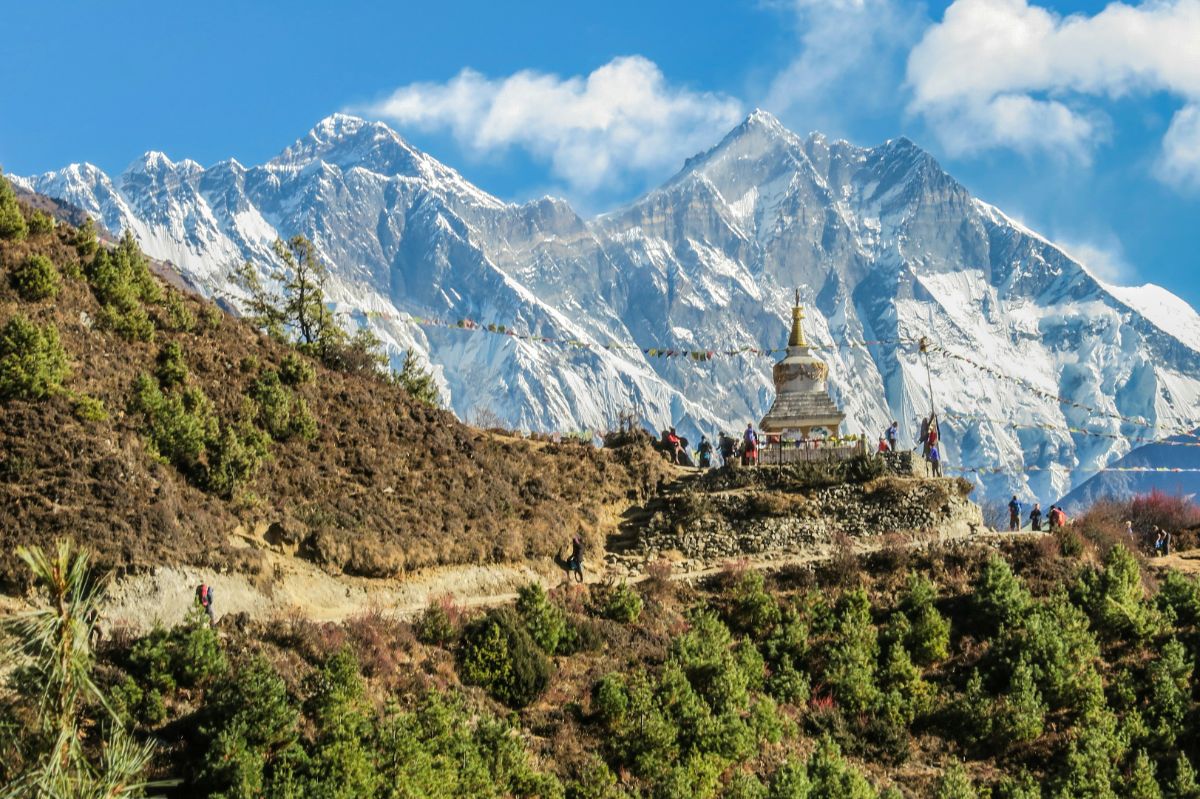
Because geography is unavoidable here, Nepal rises from near sea level to the world’s highest mountains in a short horizontal distance. Roads bend, disappear, and reappear. Weather changes fast. Access is never guaranteed.

In many countries, infrastructure overcomes geography. In Nepal, people adapt to it instead. That adaptation shapes mindset. You plan less rigidly. You accept uncertainty. You measure effort realistically rather than optimistically.

The land sets the tone, not the other way around.

How mountains shape patience and perspective?

Living among mountains teaches a long view. Nothing happens quickly when terrain decides the pace. A short distance can take hours. A delayed journey isn’t failure. It’s expected.

This is why impatience feels out of place in Nepal. People learn early that pushing harder doesn’t always get results. Waiting, adjusting, and trying again tomorrow often works better. Mountains train people to think in terms of endurance rather than speed.

That mindset extends beyond travel. It influences work, relationships, and problem-solving.

Why distance in Nepal is felt, not measured

In Nepal, distance isn’t counted in kilometers. It’s counted in time, effort, and energy. Two places close on a map can feel far apart if terrain intervenes. Two places far apart can feel connected if movement is familiar.

This changes how people plan. You don’t ask how far something is. You ask how long it takes and what conditions are like. Geography teaches practical thinking over theoretical thinking.

This is also why visitors often underestimate travel here. Locals don’t. They’ve learned to respect land rather than challenge it.

How hills and valleys encourage community thinking

Hills and valleys create natural pockets of life. Villages form where land allows, not where grids make sense. Access can be limited. Neighbors matter.

In these environments, self-reliance exists alongside deep interdependence. You learn to do many things yourself, but you also rely on others when terrain makes independence impossible. This balance shapes a collective mindset that values cooperation without constant coordination.

Community isn’t romantic here. It’s practical.

What living between extremes does to decision-making

Nepal stretches from tropical plains to alpine regions. People are constantly adjusting to contrast. Heat to cold. Flat to vertical. Scarcity to abundance depending on season and location.

This teaches flexibility. Fixed expectations don’t survive long. Decisions are made with contingencies in mind. People expect plans to change and rarely treat that as a crisis.

That adaptability is one reason Nepalis often appear calm in situations that unsettle visitors. Uncertainty is familiar territory.

Why risk is understood differently in Nepal?

Geography introduces real risk into daily life. Landslides, floods, snow, and weather shifts are not rare events. They are part of lived experience.

This produces a nuanced attitude toward risk. People don’t ignore it, but they don’t dramatize it either. Caution exists alongside acceptance. You prepare where possible and accept what can’t be controlled.

This outlook influences everything from travel choices to farming to business decisions. Risk is weighed against reality, not ideal outcomes.

How geography shapes work ethic without glorifying struggle

Work in Nepal is often physical and terrain-dependent. Effort is visible. Carrying, climbing, walking, and waiting are part of daily labor.

This creates respect for effort rather than obsession with speed. Hard work is normal, not performative. Complaining doesn’t change terrain. You do what’s needed and rest when you can.

This is why Nepali resilience often looks quiet. Strength isn’t announced. It’s practiced.

Why time feels different across the country

Time in Nepal stretches and compresses depending on location. In remote areas, time follows daylight, weather, and season. In cities, it bends around traffic, festivals, and social obligations.

Geography prevents full synchronization. This makes Nepalis comfortable with flexible timing. Being late is rarely moralized. Context matters more than clocks.

For travelers used to precision, this can feel frustrating. For locals, it feels logical.

How geography influences humility

Mountains dwarf everything. Rivers erase roads. Weather overrides plans. Nature asserts itself constantly.

Living with that reality encourages humility. Not submission, but awareness. People understand their place within a larger system they don’t fully control. This shapes how success, failure, and ambition are viewed.

Achievement is respected. Arrogance isn’t.

Why this mindset stays with travelers

Travelers who spend real time in Nepal often leave with a changed relationship to control. The land teaches indirectly. You stop forcing outcomes. You adapt. You observe. You recalibrate expectations.

This shift doesn’t happen because someone explains it. It happens because geography makes resistance exhausting and attention rewarding.

Nepal doesn’t persuade. It demonstrates.

What understanding this changes about your visit

When you recognize geography as the quiet architect of Nepali thinking, many things click into place. Delays feel less personal. Flexibility feels wiser than frustration. Conversations make more sense.

You stop comparing Nepal to how things work elsewhere and start understanding it on its own terms. That’s when the country opens up.

Staying somewhere that reflects this calm, grounded approach helps travelers settle into the rhythm, and places like Boudha Mandala Hotel offer a thoughtful base for exploring Nepal with patience rather than pressure.